
You’re considering dental implants, a significant investment in your oral health and overall well-being. As you navigate the options and information available, you’ll likely be looking for clarity on the costs associated with this transformative procedure, particularly here in Vistancia, Peoria, Arizona. This guide aims to provide you with a factual overview, demystifying the financial landscape of dental implants. Think of this information as your compass, helping you chart a course through the various factors that influence implant pricing.
Dental implants are not a one-size-fits-all solution, and neither is their pricing. The cost is a mosaic, comprised of several interconnected pieces, each contributing to the final figure. It’s crucial to understand that a dental implant is more than just a prosthetic tooth; it’s a multi-stage process involving surgical placement of a fixture, a healing period, and finally, the attachment of a custom-made crown. Each of these stages carries its own set of associated costs.
The Core Components of Implant Pricing
When you receive a quote for dental implants in Vistancia, Peoria, Arizona, it will likely reflect the sum of several fundamental components. These are the building blocks of the entire treatment.
The Dental Implant Post (Fixture)
This is the foundational element of your dental implant. It’s typically made of titanium, a biocompatible material that integrates with your jawbone, acting as a stable anchor for your new tooth. The material, the size, and the brand of the implant post can all influence its price. Think of it as the deep-rooted foundation of a skyscraper – its quality and engineering directly impact the entire structure.
- Material Science: Titanium’s reputation for osseointegration (the process of bone fusing to the implant) makes it the gold standard. While other materials exist, titanium remains prevalent due to its proven track record and affordability compared to more exotic options.
- Brand and Manufacturer: As with many manufactured goods, different implant companies offer varying levels of quality, research, and development. Well-established brands with extensive research backing may command higher prices than newer or less established manufacturers. This is similar to choosing between different automotive brands; some are known for their initial cost, while others are recognized for their long-term reliability.
- Surgical Complexity: The ease or difficulty of placing the implant post can also factor into the overall cost. Factors like bone density, the presence of nerves or sinuses, and the need for grafting can increase the surgical time and complexity, thus affecting the price.
The Abutment
The abutment is a small connector piece that attaches to the implant post. It acts as a bridge between the implant itself and the visible prosthetic tooth. Not all implant systems require a separate abutment; some have a multi-unit abutment integrated into the post.
- Material: Abutments are usually made of titanium, zirconia, or gold alloy. The choice of material can influence cost and aesthetics, with zirconia often being a more expensive but tooth-colored option.
- Custom vs. Stock: In some cases, a custom-made abutment may be necessary to ensure optimal fit and aesthetics, particularly in cases with unique anatomical challenges. Stock abutments, while generally less expensive, might not offer the same level of customization. This is akin to buying an off-the-rack suit versus a bespoke one; both serve a purpose, but the latter offers a more precise fit.
The Dental Crown (Prosthetic Tooth)
This is the visible, functional tooth that replaces your missing one. The material and craftsmanship of the crown significantly impact its cost.
- Material Options:
- Porcelain-fused-to-metal (PFM): A common and generally more affordable option. It consists of a metal substructure covered with porcelain. However, the metal margin can sometimes be visible at the gum line over time due to gum recession.
- All-ceramic/All-porcelain: These crowns, often made from materials like zirconia or lithium disilicate, offer superior aesthetics as they are tooth-colored and do not have a metal substructure. They come at a higher price point but provide a more natural look.
- Zirconia: A particularly strong and aesthetically pleasing ceramic material that is becoming increasingly popular. It can be milled to a very high degree of accuracy and provides excellent durability and a natural appearance.
- Lab Fees and Craftsmanship: The dental laboratory that fabricates your crown plays a vital role. Highly skilled technicians and state-of-the-art technology can result in a more beautifully crafted and perfectly fitting crown, but this comes with associated costs. Think of it as the difference between a mass-produced painting and a museum-quality piece; both depict a scene, but the latter involves expert artistry.
- Complexity of Design: The shape, size, and shade matching required for your crown can also influence the cost. If you have multiple missing teeth or require a complex bridge, the fabrication and fitting process will be more involved.
Additional Factors Influencing the Total Cost
Beyond the direct components of the implant, several other elements contribute to the overall financial outlay for your dental implant treatment in Vistancia, Peoria, Arizona.
Surgical Fees
This encompasses the professional services of your implant surgeon. The complexity of the surgery itself, the number of implants being placed, and the surgeon’s experience and reputation will all be reflected in these fees.
- Surgeon’s Expertise: Highly specialized oral surgeons or periodontists who focus extensively on implantology may charge a premium for their extensive training and experience.
- Anesthesia and Sedation: The type and duration of anesthesia or sedation used during the surgical procedure will add to the overall cost. Local anesthetic is standard, but if conscious sedation or general anesthesia is required, expect an increase in fees.
Diagnostic and Preparatory Procedures
Before surgery, you’ll undergo a thorough evaluation to ensure you are a good candidate for dental implants and that the implant can be placed successfully.
- Dental X-rays: Standard X-rays are essential, but 3D cone-beam computed tomography (CBCT) scans are often recommended for implant planning. These provide detailed images of your jawbone and surrounding structures, allowing for precise placement.
- CT Scans and 3D Imaging: CBCT scans are more expensive than traditional X-rays but offer invaluable information for surgical planning, especially in complex cases or when multiple implants are involved.
- Initial Consultation: The fee for your initial consultation with the dental professional will cover their time, assessment, and initial treatment recommendations.
- Bone Grafting (if necessary): If your jawbone has atrophied due to tooth loss or disease, you may need a bone graft to provide sufficient support for the implant. This procedure adds significant cost, as it involves additional surgical steps, materials, and healing time. Bone grafts can use your own bone, donor bone, or synthetic bone materials. Each option has its own cost implications.
Follow-up Appointments and Maintenance
Your journey with dental implants doesn’t end with the placement of the crown. Regular check-ups are vital for long-term success.
- Post-operative Check-ups: These appointments are scheduled to monitor healing and ensure the implant is integrating properly.
- Routine Dental Cleanings and Exams: Implants, like natural teeth, require diligent oral hygiene. Regular professional cleanings and exams will be necessary to maintain their health and longevity. These are standard dental costs, but they are an ongoing consideration.
If you’re considering dental implants in Vistancia, Peoria, Arizona, it’s essential to understand the various factors that can influence the overall costs. For a comprehensive breakdown of dental implant expenses in different locations, you might find this related article helpful: Costs for Dental Implants in Tacoma, Washington. This resource provides valuable insights that can assist you in making an informed decision about your dental care options.
Typical Cost Ranges for Dental Implants in Vistancia, Peoria, Arizona
Pinpointing an exact figure for dental implants in Vistancia, Peoria, Arizona, without a personalized consultation is challenging, as each case is unique. However, we can provide you with a general understanding of the cost ranges you might encounter. These figures are approximate and can fluctuate based on the factors mentioned previously and the specific practice you choose.
Cost Breakdown: From Single Tooth to Full Arch
The number of implants you require will be a primary driver of the total cost.
Single Dental Implant
The cost for a single dental implant, encompassing the post, abutment, and crown, typically falls within a broad range.
- Single Implant Package: Many practices offer packages that include the surgical placement of the implant, the abutment, and a standard porcelain crown. These packages can range from approximately $3,000 to $6,000 per tooth.
- Factors Affecting Single Implant Cost:
- Material of the Crown: As discussed, choosing an all-ceramic or zirconia crown over a PFM will increase the price.
- Need for Bone Grafting: If bone grafting is required, it can add anywhere from $500 to $3,000 or more to the cost of a single implant.
- Surgical Complexity: More intricate surgical procedures can also elevate the price.
- Specialized Surgeon Fees: Highly specialized surgeons may have higher fees.
Multiple Dental Implants
When multiple teeth need replacement, the cost escalates, but often, the per-implant cost can decrease slightly due to economies of scale in surgical and laboratory procedures.
- Two or Three Implants: Replacing two or three missing teeth with individual implants will be a cumulative cost, but you can expect a slight reduction in the per-implant price compared to a single implant in some scenarios. The total could range from $6,000 to $15,000 depending on the number and other factors.
- Implant-Supported Bridges: For replacing several missing teeth in a row, an implant-supported bridge can be a more cost-effective solution than individual implants. This involves placing two or more implants to support a bridge with multiple prosthetic teeth. The cost for an implant-supported bridge can range from $5,000 to $12,000, depending on the number of implants and the number of teeth in the bridge.
Full Arch Rehabilitation (All-on-4, All-on-6)
Replacing an entire arch of teeth with implants is a significant undertaking and therefore represents a substantial financial investment.
- All-on-4/All-on-6 Concepts: These procedures involve strategically placing four or six dental implants in the jawbone to support a full set of prosthetic teeth. This technique is designed to maximize bone utilization and often avoids the need for extensive bone grafting.
- Comprehensive Treatment: The cost for a full arch rehabilitation project typically ranges from $20,000 to $50,000 or more per arch. This comprehensive fee usually includes all surgical procedures, the implants, abutments, the fixed prosthetic bridge, and all necessary follow-up appointments.
- Variations in Full Arch Costs: The higher end of this range might involve premium materials, more complex surgical protocols, and the expertise of highly specialized implantologists.
Factors That Can Substantially Impact Your Dental Implant Costs
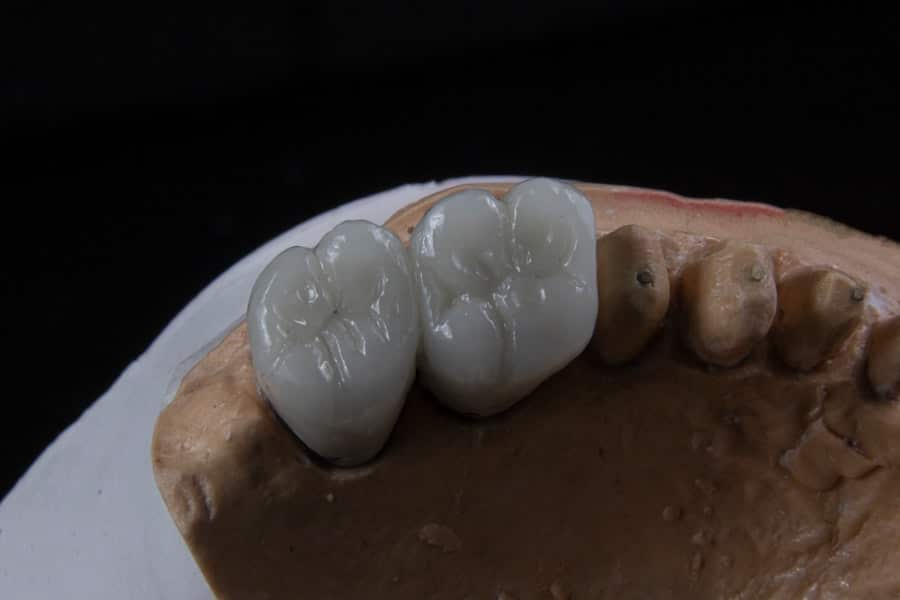
While the core components and number of implants are primary cost drivers, several other variables can significantly sway the final price tag. Understanding these nuances will help you better anticipate your investment.
The Importance of Bone Density and Health
Bone density is paramount to the success of dental implants. Your jawbone acts as the anchor, and if it’s insufficient, the implant may not integrate properly, leading to failure.
- Bone Grafts and Augmentation: As mentioned, if you have lost bone mass due to periodontitis, extractions, or other factors, bone grafting will likely be necessary. This procedure adds considerable cost.
- Autogenous Bone Grafts: Using bone harvested from another part of your own body (e.g., chin, hip) is considered the gold standard for regeneration but involves an additional surgical site and recovery.
- Allografts: These grafts use bone material from a bone bank (human donor). They are less invasive than autogenous grafts but may have a slightly higher risk of resorption.
- Xenografts: Using bone material from animal sources (typically bovine). These are cost-effective but can also resorb over time.
- Synthetic Bone Graft Materials: These are manufactured biomaterials designed to stimulate bone growth. They are generally the most affordable option but might not offer the same degree of long-term stability as biological grafts.
- Sinus Lifts: If implants are being placed in the upper jaw and the sinus cavity is too close to the proposed implant site, a sinus lift procedure may be required to create adequate bone height. This is another surgical graft that adds to the cost.
The Role of the Dental Professional’s Specialization and Experience
The expertise and qualifications of your dental implant provider can influence the fees charged.
- Oral Surgeons vs. General Dentists: While many general dentists are skilled in placing dental implants, oral and maxillofacial surgeons, and periodontists often have more extensive specialized training in complex surgical procedures, including implantology. Their advanced training and focus on surgical techniques may translate to higher fees.
- Years of Experience and Case Volume: Dentists who have performed a high volume of implant procedures over many years may command higher fees due to their proven track record and expertise in handling a wide range of clinical scenarios.
- Advanced Training and Certifications: Professionals who have pursued advanced fellowships or certifications in implant dentistry often demonstrate a commitment to staying at the forefront of the field, which can be reflected in their pricing.
Location and Practice Overhead in Vistancia, Peoria, Arizona
The cost of doing business in a specific geographic location, like Vistancia in Peoria, Arizona, can indirectly affect your dental implant costs.
- Real Estate and Facility Costs: Practices in desirable or higher-cost-of-living areas may have higher overhead expenses for rent, utilities, and property maintenance. These costs can be factored into the overall pricing structure.
- Staffing and Operational Expenses: Employing experienced dental assistants, hygienists, and administrative staff, along with maintaining state-of-the-art equipment and technology, contributes to a practice’s operational expenses.
- Local Market Demand and Competition: The demand for dental implant services in Vistancia and the surrounding areas, as well as the level of competition among providers, can also play a role in pricing.
The Technology Utilized in Treatment Planning and Execution
The incorporation of advanced technology can enhance the precision and success rates of dental implant procedures, but it also comes with a price tag.
- 3D Imaging (CBCT Scans): As previously detailed, CBCT scans provide detailed 3D views of your jawbone, enabling incredibly precise surgical planning. While an upfront cost, it can prevent costly complications down the line.
- Digital Impression Systems: Many modern practices utilize digital scanners to create precise 3D models of your teeth and gums, eliminating the need for uncomfortable traditional impressions. This technology streamlines the process and can contribute to better-fitting prosthetics.
- Surgical Guides: For complex cases or multiple implants, custom surgical guides can be fabricated based on CT scans. These guides act like a GPS for the surgeon, ensuring precise implant placement and angulation, reducing surgical time and improving outcomes. The creation of these guides adds to the overall cost.
Navigating Insurance and Financing Options for Dental Implants
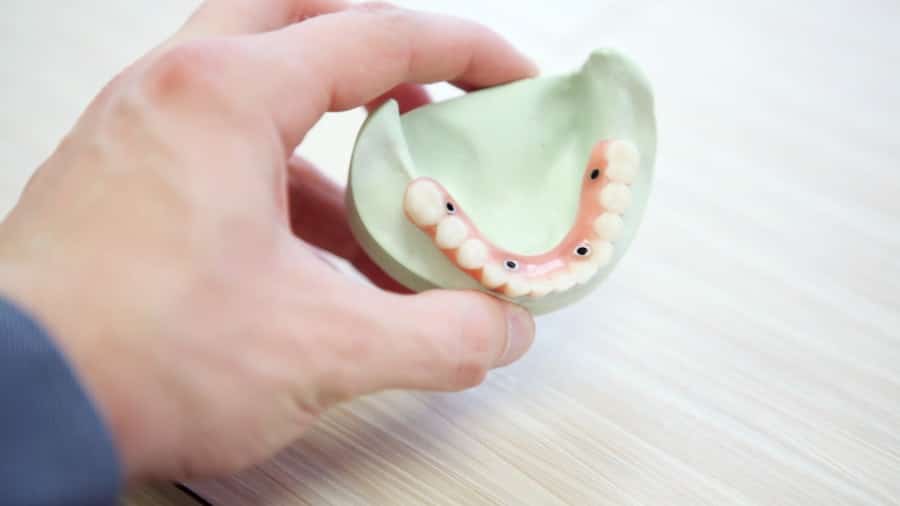
Understanding the financial aspect of dental implants in Vistancia, Peoria, Arizona, would be incomplete without addressing how insurance and financing can help manage the costs. Dental implants are often considered a significant medical expense, and various avenues exist to make them more accessible.
Understanding Dental Insurance Coverage
The extent to which dental insurance covers implant procedures varies greatly. It’s essential to investigate your specific policy thoroughly.
- Coverage Variability: Many dental insurance plans consider implants a cosmetic procedure or a major restorative service, which often means limited coverage. Some plans might offer partial coverage, while others may not cover them at all.
- Benefit Maximization: If your plan does offer some coverage, it’s usually capped at a certain annual maximum. It’s wise to understand this limit and strategize your treatment to maximize your benefits, potentially spreading treatment over multiple benefit years.
- Pre-authorization: Always obtain pre-authorization from your insurance provider before beginning treatment. This ensures clarity on what will be covered and to what extent, preventing unexpected financial surprises.
- Medical Insurance: In some instances, particularly if the implant is related to an accident or a congenital condition, medical insurance might offer some coverage. It’s worth exploring this possibility with your provider.
Exploring Financing and Payment Plans
Given the significant investment, many patients opt for financing to spread the cost of dental implants over an extended period.
- Dental-Specific Financing Companies: Several specialized financing companies cater specifically to dental procedures. These often offer competitive interest rates and flexible payment terms. Examples include CareCredit, Alphaeon Credit, and LendingClub.
- In-Office Payment Plans: Some dental practices in Vistancia, Peoria, Arizona, may offer their own in-house payment plans, allowing you to pay directly to the practice over a set period. These plans might be interest-free for a certain duration, making them an attractive option for some.
- General Personal Loans: You can also consider obtaining a personal loan from your bank or credit union. While these are not dental-specific, they can provide the lump sum needed for treatment and allow you to make regular payments.
- Credit Cards: For smaller portions of the cost or for treatments that are completed quickly, using a credit card might be an option. However, be mindful of high interest rates if you carry a balance.
- Health Savings Accounts (HSAs) and Flexible Spending Accounts (FSAs): If you have an HSA or FSA through your employer, these pre-tax dollars can be used to pay for qualified medical and dental expenses, including dental implants. This can significantly reduce the overall out-of-pocket cost.
If you’re considering dental implants in Vistancia, Peoria, Arizona, understanding the associated costs is crucial for making an informed decision. A helpful resource that provides insights into dental implant pricing can be found in a related article about costs for dental implants in Tulsa, Oklahoma. This article offers a comprehensive overview of factors influencing the price of dental implants, which can be beneficial for anyone exploring options in different regions. You can read more about it here.
Making Informed Decisions: Questions to Ask Your Dentist in Vistancia
| Procedure | Average Cost | Notes |
|---|---|---|
| Single Dental Implant | 1500 – 3000 | Includes implant placement and abutment |
| Implant Crown | 1000 – 2000 | Custom-made crown placed on implant |
| Full Mouth Dental Implants | 24000 – 50000 | All teeth replaced with implants |
| Bone Grafting | 300 – 1200 | May be required for implant stability |
| Consultation and X-rays | 100 – 300 | Initial evaluation costs |
As you move forward with your dental implant journey in Vistancia, Peoria, Arizona, proactive communication with your dental professional is key. Don’t hesitate to ask clarifying questions to ensure you fully understand the proposed treatment and associated costs.
Understanding the Treatment Plan and Associated Costs
The initial consultation is your opportunity to gather crucial information.
- Detailed Cost Breakdown: Request a comprehensive breakdown of all anticipated costs, including surgical fees, implant components, laboratory fees, and any potential additional procedures.
- Material Options and Their Price Differences: Inquire about the different material options for your implant post, abutment, and crown, and understand how each choice affects the overall price.
- Phased vs. Comprehensive Treatment: Discuss whether the treatment can be phased over time to manage costs, and what the implications of each phase are.
- Estimated Timeline: Understand the estimated timeline for each stage of the treatment, as longer treatment durations can sometimes incur additional costs for follow-up appointments.
Evaluating Long-Term Value and Alternatives
Consider the long-term implications and explore all available options.
- Longevity and Maintenance: Ask about the expected lifespan of dental implants and the ongoing maintenance required to ensure their longevity. Understanding these factors helps in assessing the long-term value of the investment.
- Alternative Tooth Replacement Options: Discuss alternative methods for replacing missing teeth, such as dental bridges or dentures, and understand their respective pros, cons, and costs in comparison to dental implants. While implants offer distinct advantages, it’s important to be fully informed about all possibilities.
- Warranties and Guarantees: Inquire about any warranties or guarantees offered by the dental practice or the implant manufacturers for the implant components or the prosthetic restoration.
Clarifying Insurance and Financing Details
Ensure a clear understanding of how financial aspects will be managed.
- Insurance Pre-authorization Process: Understand the practice’s process for obtaining pre-authorization from your insurance company and what information they will require from you.
- Payment Plan Options: If financing is a consideration, ask about the specific financing options available through the practice and any third-party lenders they work with.
- Down Payment Requirements: Clarify any required down payment for the treatment and the accepted methods of payment.
- Understanding the Fine Print: Be sure to read and understand all financial agreements and contracts before proceeding with treatment.
By approaching the process with a clear understanding of the costs involved and by engaging in open dialogue with your dental provider in Vistancia, Peoria, Arizona, you can make an informed decision that aligns with your oral health goals and financial considerations. Dental implants represent a significant investment, but for many, the benefits of restored function, improved aesthetics, and enhanced quality of life make them a worthwhile endeavor.
FAQs
What factors influence the cost of dental implants in Vistancia Peoria, Arizona?
The cost of dental implants in Vistancia Peoria, Arizona, is influenced by factors such as the number of implants needed, the type of implant used, the complexity of the procedure, any additional treatments required (like bone grafts), and the dental provider’s experience.
What is the average price range for a single dental implant in Vistancia Peoria?
The average cost for a single dental implant in Vistancia Peoria typically ranges from $3,000 to $5,000. This price usually includes the implant placement, abutment, and crown, but may vary depending on individual cases.
Are dental implants covered by insurance in Vistancia Peoria, Arizona?
Dental implant coverage varies by insurance plan. Some dental insurance policies may cover a portion of the implant procedure, while others may not. It is important to check with your insurance provider to understand your specific coverage.
Do dental offices in Vistancia Peoria offer payment plans for dental implants?
Many dental offices in Vistancia Peoria offer financing options or payment plans to help patients manage the cost of dental implants. Patients should inquire directly with their dental provider about available payment options.
How long do dental implants typically last in Vistancia Peoria?
With proper care and maintenance, dental implants in Vistancia Peoria can last 20 years or more, often lasting a lifetime. Regular dental check-ups and good oral hygiene are essential for the longevity of implants.