
You’re considering dental implants, a significant investment in your oral health and overall well-being. If you’re in McKinney, Texas, and specifically the charming Historic Downtown area, that decision naturally leads to questions about the associated costs. This guide aims to demystify the financial aspect of dental implants in this particular locale, providing you with a factual overview to help you navigate your choices.
The price tag for dental implants isn’t a single, monolithic number. It’s a mosaic, composed of various components, each contributing to the final figure. Think of it like building a sturdy house; you don’t just pay for the finished product, you pay for the foundation, the framing, the roofing, and the interior finishing. Similarly, dental implant costs are built upon several critical pillars.
The Titanium Root: The Implant Post Itself
At the heart of the dental implant is the implant post, typically made of biocompatible titanium. This is the artificial tooth root that will anchor your new tooth. The cost of this component can vary based on several factors, much like choosing between different grades of lumber for that house.
Manufacturing and Material Quality
The brand and manufacturing process of the implant post play a role. High-quality implants from reputable manufacturers, who invest heavily in research and development to ensure optimal integration with bone tissue and long-term durability, might carry a higher initial cost. This is akin to using premium, kiln-dried wood versus green timber – the former will offer superior stability and longevity.
Implant Design and Size
Different types of implant designs may be available, catering to specific anatomical needs or bone densities. The size and diameter of the implant can also influence its price. For instance, a larger implant designed to bear significant chewing forces might differ in cost from a smaller, more specialized implant.
The Connector: The Abutment
Once the implant post has successfully integrated with your jawbone, a small connector called an abutment is attached. This piece acts as a crucial bridge between the implant and the visible crown.
Material and Customization
Abutments can be made from titanium, zirconia, or gold. Zirconia, while aesthetically superior and metal-free, can sometimes be more expensive. The degree of customization required for the abutment can also impact its price. A standard abutment might be more affordable than a custom-milled one designed to perfectly match the contours of your mouth.
The Crown: The Visible Tooth
The dental crown is the artificial tooth that sits atop the abutment, restoring the appearance and function of your missing tooth. This is often the most visible and aesthetically impactful part of the overall restoration.
Material Choices: A Spectrum of Options
The material chosen for the crown significantly influences its cost.
- Porcelain-Fused-to-Metal (PFM) Crowns: These have been a common choice for years, offering a blend of strength and aesthetics. The metal substructure provides durability, while the porcelain outer layer mimics the look of natural teeth. However, the metal margin can sometimes be visible at the gum line, making them less ideal for front teeth.
- All-Ceramic Crowns (e.g., Zirconia, E-max): These are highly esthetic and metal-free, offering a natural translucency and color match. Zirconia crowns are incredibly strong, while E-max (lithium disilicate) offers excellent aesthetics, particularly for anterior teeth. These materials often come at a higher price point due to their advanced manufacturing and superior visual appeal.
- All-Metal Crowns: While rarely used for visible teeth due to their appearance, all-metal crowns (often gold alloy) are exceptionally durable and can be a cost-effective option for posterior teeth where aesthetics are less of a concern.
Complexity and Shade Matching
The complexity of the tooth being replaced (e.g., a simple molar versus a multi-cusped premolar) and the need for precise shade matching to your existing teeth can also add to the cost. Achieving a perfect color blend requires skilled artistry and advanced laboratory techniques.
If you’re considering dental implants in McKinney’s Historic Downtown area, it’s essential to understand the various factors that can influence the costs involved. For a comprehensive overview of dental implant pricing in different regions, you might find the article on costs in Weslaco, Texas, particularly insightful. It provides valuable information that can help you make informed decisions about your dental care. You can read more about it here: Costs for Dental Implants in Weslaco, Texas.
The Surgical Stage: The Foundation of Success
The placement of the dental implant is a surgical procedure, and the costs associated with this phase are paramount to the long-term success of your restoration. Think of this as the excavation and concrete pouring for your house’s foundation – it has to be done perfectly.
The Oral Surgeon’s Expertise
The qualifications and experience of the dental professional performing the surgery are a primary consideration. A board-certified oral surgeon or a periodontist with advanced training in implantology will command fees commensurate with their specialized skills and the precision required.
Initial Consultation and Planning
Before surgery, you’ll undergo a thorough consultation. This involves X-rays, CT scans, and a detailed examination to assess your bone density, sinus depth, and nerve locations. This diagnostic phase is crucial for meticulous planning and carries its own associated costs.
Surgical Procedure Itself
The surgical placement involves creating a precise site in the jawbone and inserting the implant post. The complexity of the surgery can vary.
Simple Implant Placement
In cases where there is sufficient bone volume and density, the implant can be placed directly, a relatively straightforward procedure.
Bone Grafting Procedures
If your jawbone has atrophied or is insufficient to support an implant, bone grafting may be necessary. This involves augmenting the bone with bone material, which can be sourced from your own body (autograft), a cadaver (allograft), or synthetic materials. Bone grafting adds a significant layer of complexity and cost to the overall treatment plan.
Sinus Lift Procedures
For implants to be placed in the upper jaw, particularly in the posterior region, a sinus lift may be required if the maxillary sinus is too close to the implant site. This procedure lifts the sinus membrane and adds bone material, creating adequate space for the implant. This is a more involved surgical technique and, consequently, more expensive.
Anesthesia and Sedation Options
The type of anesthesia or sedation used during the surgery will also influence the cost.
Local Anesthesia
The most basic and cost-effective option.
Conscious Sedation (Oral or IV)
This allows you to relax and feel more comfortable during the procedure and incurs additional fees.
General Anesthesia
For more complex cases or patients with significant anxiety, general anesthesia may be recommended, which is typically the most expensive option.
The Restorative Phase: Bringing Functionality and Aesthetics
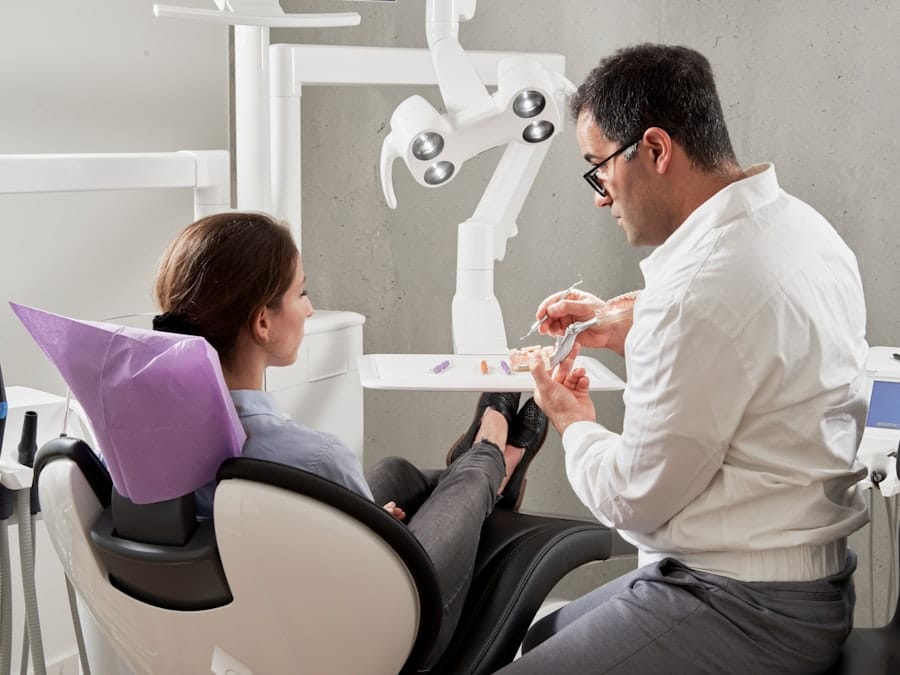
Once the implant has integrated with the bone, the restorative phase begins. This is where the artificial tooth is fabricated and attached, bringing back form and function.
Laboratory Fabrication Costs
The creation of the abutment and the dental crown is performed by a dental laboratory. The intricacy of the prosthesis and the materials used dictate the laboratory’s fees.
Custom Milling and Digital Design
Modern techniques like CAD/CAM (Computer-Aided Design/Computer-Aided Manufacturing) allow for highly precise and custom-fit restorations. While these digital technologies enhance accuracy and aesthetics, they often come with higher laboratory charges.
Material Choices and Complexity of Design
As mentioned earlier, the material of the crown (e.g., zirconia versus PFM) directly impacts laboratory costs. Furthermore, the complexity of the tooth’s anatomy and the need for intricate layering of porcelain to achieve a natural look will also contribute to the fabrication expense.
The Dentist’s Skill in Restoration
The dentist’s expertise in fitting and cementing the final crown is crucial for a comfortable and functional result. This involves careful adjustment to ensure proper bite and occlusion.
Multiple Appointments for Fit and Adjustment
It’s not uncommon to have several appointments dedicated to the restorative phase, including impressions, the try-in of the crown, and the final cementation. Each of these appointments represents chair time and the dentist’s professional management of the restoration.
Ancillary and Long-Term Considerations
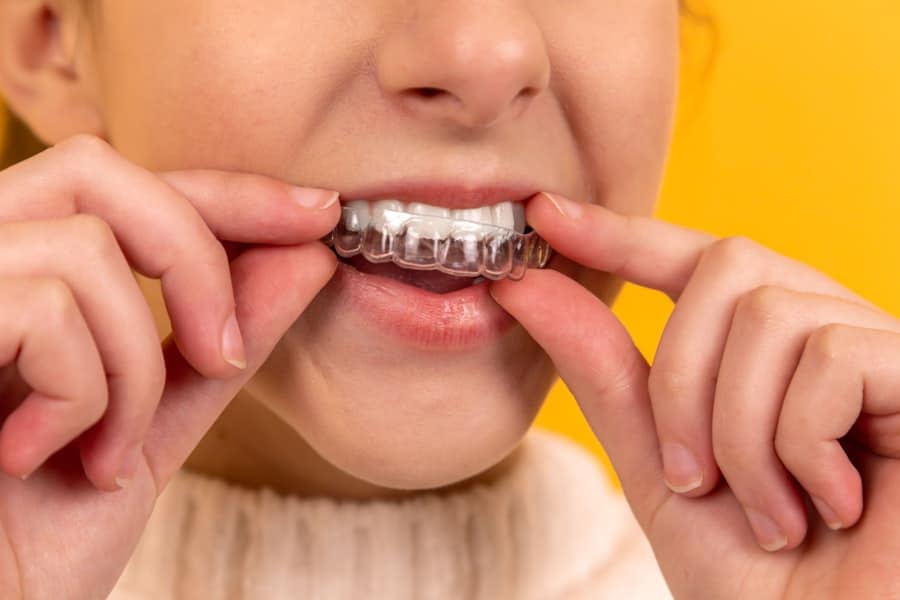
Beyond the core components and procedures, several other factors can influence the total cost of dental implants, and understanding these can help you budget effectively.
Diagnostic Imaging: Peering into the Bone
Advanced imaging techniques are vital for accurate diagnosis and treatment planning.
Panoramic X-rays
A broader view of your entire mouth, often a standard part of initial assessments.
Cone Beam Computed Tomography (CBCT) Scans
This 3D imaging technology provides highly detailed cross-sectional views of your jawbone, nerves, and sinuses. It’s indispensable for precise implant placement and is typically more expensive than standard X-rays. The detailed information gained from a CBCT scan can prevent costly complications down the line, making it a wise investment.
Potential Complications and Revisions
While dental implants have a very high success rate, like any medical procedure, there’s a small possibility of complications.
Implant Failure or Loss
In rare cases, an implant may not integrate properly with the bone or may be lost due to infection or excessive force. If this occurs, you may need to undergo a revision surgery or replacement, incurring additional costs.
Peri-implantitis
This is an inflammatory condition affecting the tissues around an implant, similar to gum disease around natural teeth. Treatment may involve deep cleaning, antibiotics, or, in severe cases, surgical intervention, all of which add to the long-term expense.
Maintenance and Hygiene
Maintaining the health of your implants is crucial for their longevity. This involves regular dental check-ups and professional cleanings.
Regular Dental Check-ups and Cleanings
These are essential to monitor the implant and surrounding tissues. While not directly part of the implant cost, they are a necessary ongoing expense for maintaining your investment.
If you’re considering dental implants in McKinney, Texas, it’s essential to understand the various factors that influence the costs involved. A related article that provides insights into the pricing of dental implants can be found here, where you can explore the costs for dental implants in Wilmington, Delaware. This information can help you compare prices and make informed decisions about your dental care. For more details, check out the article on costs for dental implants in Wilmington, Delaware.
Understanding McKinney Historic Downtown Specifics
| Service | Average Cost | Notes |
|---|---|---|
| Initial Consultation | 150 – 300 | Includes examination and X-rays |
| Single Dental Implant | 2000 – 3000 | Implant post placement only |
| Abutment Placement | 500 – 800 | Connects implant to crown |
| Dental Crown | 1000 – 1500 | Custom-made crown for implant |
| Bone Grafting | 300 – 1200 | Required if bone loss is present |
| Full Mouth Dental Implants | 24000 – 50000 | Includes multiple implants and prosthetics |
Now, let’s bring the focus squarely to McKinney’s Historic Downtown. While the core costs of dental implants remain relatively consistent across the country, certain local factors can influence pricing in this charming Texan locale.
The Professional Landscape: Dentists and Specialists
Historic Downtown McKinney is home to a mix of general dentists and specialists. The presence of highly experienced periodontists and oral surgeons who specialize in implantology can mean slightly higher fees, reflecting their expertise and the demand for their services in an affluent and desirable area.
Demand and Patient Base
Areas with a strong demand for high-quality dental care, often associated with established and historic districts, can see a slight premium on services. The patient base in Historic Downtown McKinney may have different expectations regarding the quality and technology offered, which can translate into differentiated pricing.
The Cost of Doing Business in a Prime Location
Operating a dental practice in a prime location like Historic Downtown McKinney comes with its own set of overheads.
Real Estate and Operational Costs
The cost of leasing or owning commercial space in a sought-after area is generally higher. Higher rent, property taxes, and utilities contribute to the overall operational expenses of the dental practice. These costs are then factored into the price of services.
Access to Advanced Technology
Practices in desirable locales often invest in the latest dental technology to remain competitive. This can include advanced imaging equipment, CAD/CAM systems for crowns, and sophisticated surgical tools. While this benefits the patient with potentially better outcomes, it also represents a significant capital investment for the practice, which is reflected in pricing.
Insurance and Financing Options
Understanding how insurance and financing can impact your out-of-pocket expenses is as crucial as understanding the procedure itself.
Dental Insurance Coverage
The extent to which your dental insurance plan covers implants can vary dramatically. While some plans offer partial coverage for the implant surgery or the restorative components, others may consider them cosmetic and provide little to no benefit. It’s imperative to thoroughly review your policy or speak with your insurance provider to understand what costs may be reimbursable. You are the captain of your financial ship, charting a course through the waters of insurance.
Payment Plans and Financing
Many dental practices in McKinney, including those in the Historic Downtown area, offer payment plans or work with third-party financing companies. These options can break down the total cost into manageable monthly payments, making them more accessible. This is like finding a sturdy rope to help you scale a steep incline.
The Importance of a Detailed Treatment Plan and Quote
Before embarking on any dental implant journey, ensure you receive a comprehensive treatment plan from your chosen dental provider. This document should clearly outline all the proposed procedures, the materials to be used, and a detailed breakdown of all associated costs. Don’t hesitate to ask questions. A clear, itemized quote is your compass, guiding you through the financial landscape.
By understanding these multifaceted cost drivers, from the titanium root to the local economic currents in Historic Downtown McKinney, you can approach your dental implant decision with greater clarity and confidence.
FAQs
What is the average cost of dental implants in Historic Downtown McKinney, Texas?
The average cost of dental implants in Historic Downtown McKinney typically ranges from $3,000 to $5,000 per implant. This price can vary depending on the complexity of the procedure and the specific dental clinic.
What factors influence the cost of dental implants in McKinney?
Several factors influence the cost, including the number of implants needed, the type of implant used, any additional procedures like bone grafting, the dentist’s experience, and the technology employed during the treatment.
Are there financing options available for dental implants in McKinney?
Many dental offices in Historic Downtown McKinney offer financing plans or work with third-party lenders to help patients manage the cost of dental implants. It is advisable to inquire directly with the dental provider about available payment options.
Does dental insurance typically cover the cost of implants in McKinney?
Dental insurance coverage for implants varies by plan. Some insurance policies may cover a portion of the implant procedure, while others may not cover implants at all. Patients should check with their insurance provider to understand their specific benefits.
Are there any additional costs associated with dental implants in Historic Downtown McKinney?
Yes, additional costs may include consultation fees, X-rays, CT scans, anesthesia, and follow-up visits. If bone grafting or sinus lifts are required, these procedures will also add to the overall cost.