
When you’re contemplating dental implants, you’re embarking on a significant journey toward restoring your smile and oral function. This process, while ultimately rewarding, necessitates a clear understanding of the financial commitment involved. This guide aims to illuminate the costs associated with dental implants specifically in Finley Farms, Gilbert, Arizona, providing you with the factual bedrock upon which to build your decision. Think of this as your compass, navigating the multifaceted landscape of implant dentistry expenses.
The price tag for dental implants isn’t a singular, monolithic figure. It’s a composite, an intricate mosaic formed by several distinct elements. Understanding each piece of this puzzle is crucial for accurate budgeting and for grasping the value you’re receiving.
The Implant Itself: The Foundation of Your New Tooth
At the heart of the procedure lies the dental implant, a titanium post surgically placed into your jawbone. This post acts as an artificial tooth root, providing a stable anchor for your replacement tooth.
Material Composition and Manufacturer Influence
The quality and brand of the titanium implant can subtly influence the overall cost. Reputable manufacturers often employ rigorous research and development, leading to implants with proven longevity and biocompatibility. While variations might seem minor, selecting a well-established brand can be akin to choosing a trusted architect for building a secure structure; it contributes to long-term stability and reduces the likelihood of future complications. Prices can range, but generally, expect this component to represent a significant portion of the surgical fee.
Surgical Placement Techniques
The complexity of the surgical placement is another cost determinant. In simpler cases, when sufficient bone density is present, the procedure may be more straightforward and therefore less expensive. However, if bone augmentation or grafting is required to provide adequate support for the implant, the surgical time, materials, and expertise needed will naturally increase the cost. This is like needing to reinforce the ground before laying the foundation for a skyscraper; it’s essential for structural integrity and adds to the expense.
The Abutment: The Connector Piece
Once the implant has osseointegrated (fused with your jawbone), an abutment is attached. This small connector piece protrudes from the gum line and serves as the bridge between the implant and the visible crown.
Material Options for Abutments
Abutments are typically made from titanium, zirconia, or gold. Titanium abutments are common and cost-effective. Zirconia offers a more aesthetic, tooth-colored option, which can be beneficial in areas where the gum line might recede, potentially revealing the abutment. Gold abutments, while less common for implants today, were historically used. The choice of material can slightly impact the cost, with zirconia generally being more expensive than titanium. This is a choice between functional steel and a more refined, aesthetically pleasing material.
Custom vs. Stock Abutments
In some instances, a custom-abutment may be fabricated specifically for your implant and tooth shape. This level of personalization ensures a perfect fit and optimal aesthetics, but it also commands a higher price than a standard, pre-fabricated abutment. This is the difference between a tailor-made suit and an off-the-rack garment; both serve their purpose, but one offers a superior, personalized fit.
The Dental Crown: The Visible Tooth Replacement
The dental crown is the final piece of the implant puzzle, designed to mimic the appearance and function of your natural tooth. It’s the most visible component and plays a crucial role in both aesthetics and chewing.
Material Choices for Crowns
Crowns can be fabricated from a variety of materials, each with its own cost implications.
Porcelain-Fused-to-Metal (PFM) Crowns
These crowns have a metal substructure covered with layers of porcelain. They are durable and provide a reasonable aesthetic, but the metal can sometimes show through as a dark line at the gum line, especially if gums recede. PFM crowns are generally more affordable than all-ceramic options.
All-Ceramic or All-Porcelain Crowns
These crowns are entirely made of ceramic material, offering a highly natural and translucent appearance that closely resembles natural tooth enamel. They are excellent for front teeth where aesthetics are paramount. Brands like E-max or Lava are examples of high-quality all-ceramic materials that offer superior aesthetics and durability, but at a higher price point. This is akin to choosing between a painted replica and a gemstone; the latter offers a more intrinsic beauty and value.
Zirconia Crowns
Zirconia crowns are extremely strong and can be fabricated to be highly aesthetic, offering a good balance of durability and appearance. Full-contour zirconia crowns are becoming increasingly popular due to their strength and ability to be milled to precise shapes.
Customization and Shade Matching
The skill of the dental laboratory technician in fabricating your crown is paramount. Precise shade matching to your surrounding teeth ensures a seamless blend, and custom contouring contributes to both function and form. This meticulous attention to detail, akin to the work of a master sculptor, adds to the overall cost but is essential for a natural-looking result.
If you’re considering dental implants in Finley Farms, Gilbert, Arizona, it’s essential to understand the costs involved and how they compare to other locations. A related article that provides valuable insights into dental implant pricing can be found at Costs for Dental Implants in Meriden, Connecticut. This resource offers a comprehensive overview of factors influencing dental implant costs, which can help you make an informed decision about your dental care options.
Factors Influencing Implant Costs in Finley Farms, Gilbert, Arizona
Beyond the individual components, several overarching factors contribute to the total expense of dental implants in the Finley Farms area of Gilbert, Arizona. These include the dental professional’s expertise, the clinic’s overhead, and the overall complexity of your individual needs.
The Dentist’s Expertise and Specialization
The qualifications and experience of your dental implant provider are significant cost drivers. A periodontist or an oral surgeon who specializes in implant placement and restoration will typically command higher fees due to their advanced training, specialized knowledge, and the significant time invested in their education and ongoing professional development.
Board Certification and Advanced Training
A dentist who is board-certified in oral surgery or periodontics has undergone rigorous examination and demonstrated a high level of proficiency. Their expertise translates into a higher likelihood of successful implant placement with fewer complications, justifying a higher fee. This is analogous to hiring a seasoned general contractor versus a specialist for a complex construction project.
Years of Experience and Case Volume
Dentists who have performed a high volume of dental implant procedures over many years have honed their skills and developed a refined technique. This extensive experience allows them to anticipate and manage potential challenges more effectively, leading to better outcomes. The cost reflects this accumulated knowledge and proficiency.
If you’re considering dental implants in Finley Farms Gilbert, Arizona, it’s essential to understand the various factors that can influence the overall costs. A related article that provides valuable insights into dental implant pricing can be found at this link. This resource discusses the average expenses associated with dental implants and can help you make an informed decision about your dental care options.
Clinic Overhead and Location in Finley Farms
The operational costs of a dental practice in Finley Farms, Gilbert, Arizona, will also influence pricing. This includes rent for the clinic space, staff salaries, advanced dental technology, and specialized equipment necessary for implant procedures.
Location-Specific Market Rates
Areas with a higher cost of living or a strong demand for specialized dental services may naturally have higher prices. While Finley Farms is a desirable community, the specific market rates for dental care within Gilbert will play a role. This is akin to real estate pricing; desirable locations often come with a premium.
Technology and Equipment Used
Advanced diagnostic tools like 3D cone-beam computed tomography (CBCT) scanners provide detailed imaging for precise treatment planning, significantly improving the success rate of implant placement. Clinics equipped with such technology may reflect this investment in their pricing. Investing in cutting-edge diagnostic tools is like equipping a surgeon with the most advanced surgical instruments; it enhances precision and safety.
Treatment Planning and Diagnostic Procedures
Before any surgical intervention, thorough diagnostic procedures are essential for successful implant outcomes. These steps are fundamental to building a solid plan.
Initial Consultation and Examination
Your first meeting with the implant dentist is crucial. This includes a comprehensive oral examination, discussion of your medical history, and assessment of your oral health. The dentist will evaluate bone density, gum health, and the overall condition of your jaw.
X-rays and 3D Imaging (CBCT Scans)
Standard dental X-rays provide a general overview, but 3D CBCT scans offer a detailed, volumetric view of your jawbone and surrounding structures. This allows for precise measurement of bone height and width, identification of vital nerves and sinuses, and optimal implant placement planning. The cost of these advanced imaging techniques is a necessary investment in predictable surgical outcomes. Think of it as using a detailed blueprint versus a rough sketch for construction; the blueprint ensures accuracy.
Impressions and Study Models
Accurate impressions of your mouth are taken to create study models. These models help visualize your bite, tooth alignment, and how the implant and crown will integrate with your existing dentition.
Additional Costs and Potential Complications
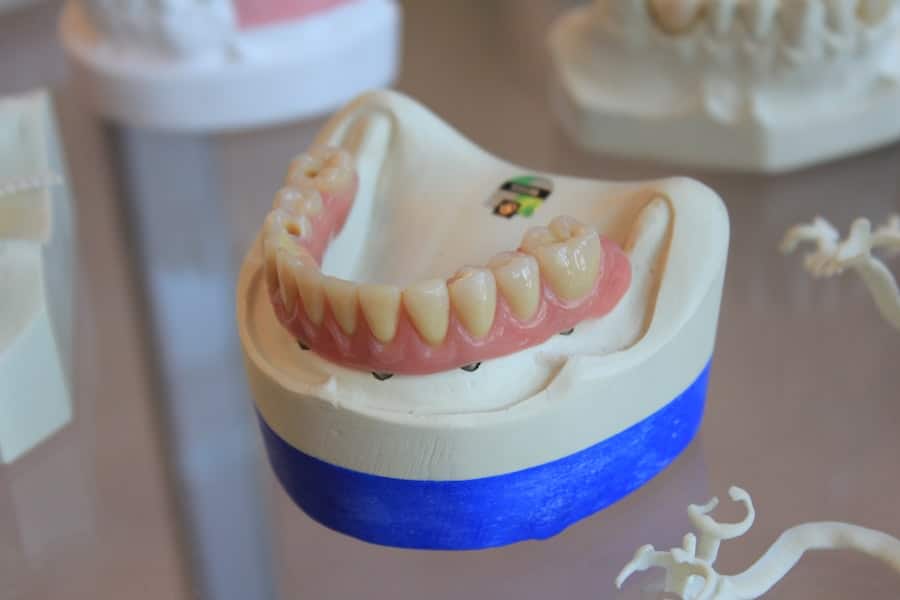
While the primary costs of implants are well-defined, it’s prudent to anticipate potential additional expenses and understand the financial implications of unforeseen circumstances.
Bone Grafting and Sinus Lifts
If you have insufficient bone volume or density, bone grafting or a sinus lift procedure may be necessary to augment the jawbone and create a stable foundation for the implant.
Types of Bone Grafts
Bone grafts can be sourced from your own body (autograft), from a donor (allograft), or from animal bone (xenograft), or be synthetically created. Each type has its own complexity and cost. Autografts, while offering excellent integration, involve an additional surgical site. Synthetic grafts can be more cost-effective but may have slightly different integration profiles. The reconstructive nature of these procedures adds to the overall financial picture.
Sinus Lift Procedure
A sinus lift is a specific type of bone graft primarily performed in the upper jaw when the sinus cavity is too close to the area where an implant is to be placed. This procedure involves carefully lifting the sinus membrane and placing bone grafting material underneath.
Tooth Extractions
If the tooth requiring replacement is damaged or diseased beyond repair, it will need to be extracted before implant placement. The cost of extraction will be in addition to the implant procedure itself. Simple extractions are generally less expensive than surgical extractions, which may be required for impacted teeth or those with complex root structures.
Temporary Dentures or Bridges
During the implant osseointegration period (which can take several months), you may require a temporary tooth replacement to maintain aesthetics and chewing function. This could be a removable temporary denture or a temporary bridge. These will incur an additional cost.
Potential Complications and Revision Surgeries
While rare, complications can arise with dental implants. These could include implant failure (where the implant doesn’t integrate with the bone), infection, or peri-implantitis (inflammation around the implant).
Managing Implant Failure
If an implant fails, it may need to be removed, and a new implant placed once the area has healed. This would represent a significant additional cost. This is a setback in your construction project, requiring repair and rebuilding.
Addressing Infections or Peri-implantitis
Treating infections or peri-implantitis typically involves medication and potentially further surgical intervention to clean the implant and surrounding tissue. These treatments will add to the overall expense.
Financial Considerations and Payment Options
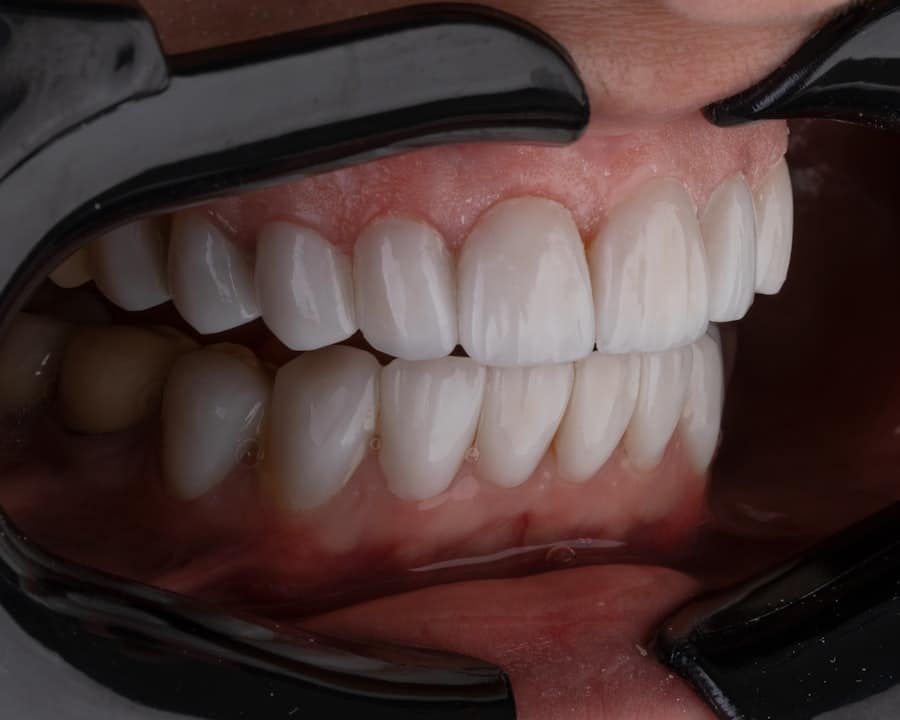
Understanding the total cost is only part of the equation. Exploring how you will finance this significant investment is equally important.
Dental Insurance Coverage
While dental implants are considered a major restorative procedure, coverage by dental insurance plans can vary significantly. Some plans may offer partial coverage, typically for the implant itself or the crown, while others may consider them purely cosmetic and offer no coverage.
Understanding Your Policy Details
It is imperative to thoroughly review your dental insurance policy or contact your provider directly to understand what, if any, portion of the dental implant procedure is covered. There may be annual maximums, limitations on coverage for specific procedures, or deductibles that apply.
Pre-Authorization for Procedures
Most insurance companies require pre-authorization for major dental procedures like implants. Your dentist’s office will typically handle this process, but it’s your responsibility to ensure it’s completed before treatment begins to avoid unexpected out-of-pocket expenses.
Financing Options and Payment Plans
Given the substantial cost, many patients opt for financing solutions to make dental implants more accessible.
Dental Financing Companies
Numerous specialized dental financing companies offer patient loans with various repayment terms and interest rates. These can provide a lump sum to cover the procedure, allowing you to repay it over time. Examples include CareCredit, Alphaeon Credit, and others.
In-Office Payment Plans
Some dental practices in Finley Farms, Gilbert, Arizona, may offer their own in-house payment plans or work with third-party financing providers to extend payment options to their patients. These plans can sometimes be interest-free for a promotional period, making them an attractive option.
Traditional Loans and Credit Cards
You may also consider personal loans from banks or credit unions, or utilize existing credit cards for payment. However, it’s essential to carefully consider interest rates and repayment terms to ensure these options are financially viable for you.
When you invest in dental implants, you are investing in your health, confidence, and quality of life. By thoroughly understanding the all-encompassing costs, from the foundational titanium post to the aesthetic crown, and by diligently exploring financing avenues, you can approach this transformative dental procedure with clarity and confidence.
FAQs
What factors influence the cost of dental implants in Finley Farms, Gilbert, Arizona?
The cost of dental implants in Finley Farms, Gilbert, Arizona, depends on several factors including the number of implants needed, the type of implant used, the complexity of the procedure, any additional treatments required (such as bone grafts or extractions), and the specific dental clinic’s pricing.
What is the average price range for dental implants in Gilbert, Arizona?
On average, dental implants in Gilbert, Arizona can range from $3,000 to $5,000 per implant. This price typically includes the implant placement, abutment, and crown, but additional procedures may increase the overall cost.
Are dental implants covered by insurance in Finley Farms, Gilbert?
Dental implant coverage varies by insurance provider and plan. Many dental insurance plans do not fully cover implants but may cover parts of the procedure, such as the crown or extractions. It is important to check with your insurance company to understand your specific benefits.
Can financing options help manage the cost of dental implants in Gilbert?
Yes, many dental offices in Finley Farms, Gilbert, offer financing plans or payment options to help patients manage the cost of dental implants. These may include monthly payment plans, third-party financing, or credit options designed specifically for medical and dental procedures.
How do dental implants compare in cost to other tooth replacement options in Gilbert?
Dental implants generally have a higher upfront cost compared to alternatives like dentures or dental bridges. However, implants often provide a longer-lasting and more natural solution, which can make them more cost-effective over time due to their durability and lower maintenance needs.