
You’re considering dental implants, a significant step towards reclaiming your smile and oral function. As you navigate the landscape of restorative dentistry, one of the crucial pieces of information you likely seek is the financial investment. This article aims to provide you with a comprehensive overview of dental implant costs in Camino a Lago, Peoria, Arizona, breaking down the factors that influence pricing and what you can expect.
The journey to a complete set of dental implants is not a single purchase but rather a multi-stage process, each with its own associated expenses. Think of it like building a house: you wouldn’t just buy a finished product; you’d invest in the foundation, framing, plumbing, electrical, and finishes separately. Similarly, dental implant costs are comprised of several interconnected components.
The Dental Implant Itself: A Titanium Pillar
The Implant Post: The Root of the Matter
At the core of each dental implant is the implant post, typically made of biocompatible titanium. This screw-like fixture serves as the artificial root, anchoring your new tooth securely into your jawbone. The cost of this component can vary based on several factors:
Material Quality and Brand
While titanium is the standard, different grades and manufacturing processes can exist, influencing the price. Reputable brands often invest more in research and development, leading to higher quality implants, which can translate to a higher initial cost but potentially better long-term success and fewer complications.
Type of Implant
- Standard Implants: These are the most common. Their price is generally consistent, but variations can occur based on manufacturer.
- Mini Implants: Smaller in diameter and typically used for stabilizing dentures or in areas with limited bone. They are generally less expensive than standard implants.
- All-on-4® or All-on-6® Implants: These techniques utilize fewer implants to support an entire arch of replacement teeth. While the individual implant cost might be similar, the overall cost for this procedure is higher due to the number of implants and the complexity of the prosthetic.
Surgical Placement Complexity
The ease or difficulty of surgically placing the implant post can impact the overall cost. Factors influencing this include:
Bone Density and Volume
Adequate bone is essential for successful implant integration. If you have experienced bone loss, bone grafting may be necessary before implant placement. This procedure adds to the overall cost.
Proximity to Nerves and Sinuses
The exact positioning of the implant post requires careful planning to avoid vital anatomical structures like nerves and sinuses. If delicate maneuvers or specialized techniques are needed to navigate these areas, the surgical fee might increase.
Pre-existing Oral Health Conditions
If you have active gum disease or other oral health issues, these will need to be addressed before implant surgery. Treatment for these conditions will be an additional expense.
The Abutment: The Connector Piece
Once the implant post has successfully integrated with your jawbone (a process called osseointegration, which can take several months), an abutment is attached. This piece acts as a connector between the implant post and your new crown.
Material of the Abutment
Abutments are commonly made from titanium, gold alloy, or zirconia.
- Titanium Abutments: Generally the most cost-effective option.
- Gold Alloy Abutments: Can be more expensive but offer excellent biocompatibility and esthetics, especially in the esthetic zone.
- Zirconia Abutments: Highly esthetic and biocompatible, often used for front teeth where a metal-free restoration is desired. Zirconia abutments tend to be more expensive than titanium.
Custom vs. Stock Abutments
- Stock Abutments: Pre-fabricated and available in standard sizes and angles. They are more affordable.
- Custom Abutments: Precisely fabricated to match the unique contours of your mouth and the specific positioning of the implant. These offer a more precise fit and can improve esthetics, but they come at a higher price due to the lab work involved.
The Dental Crown: Your New Tooth Visible
The dental crown is the part you see – the replacement tooth that sits atop the abutment. This is where esthetics and durability play a significant role in cost.
Material of the Crown
The choice of material for your crown is a major determinant of its price and longevity.
- Porcelain-Fused-to-Metal (PFM) Crowns: These crowns have a metal substructure covered by porcelain. They are durable and less expensive than all-ceramic options, but the metal margin can sometimes be visible at the gum line.
- All-Ceramic Crowns (e.g., Zirconia, E-max): These crowns are entirely made of ceramic material, offering superior esthetics and a more natural translucent appearance. Zirconia is exceptionally strong, while E-max offers excellent translucency. These are generally more expensive than PFM crowns.
- Porcelain Crowns: While less common for implants due to their durability compared to newer ceramic options, they can be a more budget-friendly choice in some cases, but might be more prone to chipping.
Customization and Esthetics
The more customization required to match the shade, shape, and translucency of your natural teeth, the more lab work is involved, driving up the cost. This is particularly true for implants placed in the front of your mouth where visibility is paramount.
Diagnostic and Planning Costs: The Blueprint for Success
Before a drill even touches your mouth, significant diagnostic work is performed to ensure the successful placement of your implants. These costs are foundational to avoiding future complications and are worth every penny.
Initial Consultation and Examination
This is your first meeting with the implant dentist. It involves a thorough examination of your oral health, review of your medical history, and discussion of your treatment goals.
Dental X-rays
Standard dental X-rays are crucial for assessing bone structure and tooth conditions.
Panoramic X-rays
These provide a broader view of your jaw and teeth, offering a more comprehensive understanding of your dental anatomy.
Cone Beam Computed Tomography (CBCT) Scans
This advanced imaging technology provides detailed 3D images of your jawbone, nerves, and sinuses. It allows for precise planning of implant placement, minimizing risks and optimizing outcomes. CBCT scans are essential for complex cases and are a significant, but vital, component of the planning phase.
Impressions and Models
Creating physical or digital models of your teeth and jaw helps in the precise planning and fabrication of your restorations.
If you’re considering dental implants in Camino a Lago, Peoria, Arizona, it’s essential to understand the associated costs and factors that can influence pricing. For a comprehensive overview of dental implant costs in different regions, you might find this related article helpful: Costs for Dental Implants in Warren, Michigan. This resource provides insights that can aid in your decision-making process and help you budget for your dental care.
Additional Factors Influencing Dental Implant Costs
Beyond the core components of the implant, several other factors contribute to the overall financial picture in Camino a Lago, Peoria, Arizona.
The Expertise of Your Dental Professional
The cost of dental implants is directly correlated with the skill, experience, and specialization of your dentist.
General Dentist vs. Oral Surgeon vs. Periodontist
- General Dentists: Some general dentists are trained and experienced in placing implants. Their fees may be lower due to overhead costs.
- Oral and Maxillofacial Surgeons: These specialists have extensive training in surgical procedures involving the mouth, jaw, and face. They are often the go-to for complex implant cases and their fees typically reflect their specialized surgical skills.
- Periodontists: These specialists focus on the health of the gums and supporting bone structures. They are highly skilled in implant placement, especially in cases requiring bone grafting or managing gum disease. Their fees will also reflect their specialized training.
The Dental Practice’s Overhead
The cost of running a dental practice in Camino a Lago, Peoria, Arizona, includes factors like:
- Staff Salaries: Experienced dental hygienists, assistants, and administrative staff are vital to a smooth operation.
- Office Rent and Utilities: Maintaining a modern and comfortable facility incurs significant costs.
- Technology and Equipment: Investing in state-of-the-art diagnostic and surgical equipment, such as CBCT scanners and surgical guides, adds to the practice’s expenses.
- Continuing Education: Dental professionals constantly update their skills and knowledge through ongoing training, which is an investment in providing high-quality care.
Location-Specific Pricing
While this article focuses on Camino a Lago, Peoria, Arizona, the general economic climate and cost of living in the greater Peoria area can subtly influence pricing. Highly sought-after or affluent areas might see slightly higher service fees.
Ancillary Procedures and Treatments
Often, the path to dental implants requires preparatory procedures to ensure optimal conditions for implant success.
Bone Grafting: Building a Solid Foundation
If you’ve experienced significant bone loss in your jaw, bone grafting is often necessary to provide adequate support for the implant.
Types of Bone Grafts
- Autografts: Bone taken from another part of your own body (e.g., hip, chin).
- Allografts: Bone sourced from a human donor.
- Xenografts: Bone from animal sources (e.g., bovine).
- Synthetic Bone Graft Materials: Biocompatible materials that encourage bone regeneration.
The type of bone graft used, the amount of bone needed, and the complexity of the procedure will all impact the cost.
Sinus Lifts: Augmenting the Upper Jaw
For implants in the upper jaw, if there isn’t enough bone height, a sinus lift procedure may be required to create space for the implant by elevating the sinus membrane and placing bone graft material underneath.
Tooth Extractions
If the tooth being replaced by an implant is not already missing, it will need to be extracted. The cost of extraction varies depending on whether the tooth is impacted or requires surgical removal.
Gum Contouring and Augmentation
In some cases, the gums may need to be reshaped or augmented to create a natural-looking smile around the implant crown, particularly in the esthetic zone.
The Type of Restoration Needed
The extent of your tooth loss dictates the type of restoration required.
Single Tooth Replacement
This is the most straightforward scenario, involving one implant post, one abutment, and one crown.
Multiple Tooth Replacement
Replacing several missing teeth can be achieved in a few ways:
- Multiple Individual Implants: Each missing tooth is replaced by its own implant-supported crown. This is the most comprehensive but also the most expensive option.
- Implant-Supported Bridges: Two or more implants can support a bridge that replaces several adjacent missing teeth. This is generally less expensive than individual implants for each tooth but more than a single implant.
Full Arch Replacement (All-on-4®, All-on-6®, Denture Stabilization)
Replacing all the teeth in an arch (upper or lower) involves a more complex and costly undertaking.
- All-on-4®/All-on-6® Procedures: As mentioned, these utilize a fixed prosthesis supported by a limited number of strategically placed implants. This offers a more permanent and stable solution compared to traditional dentures.
- Implant-Retained Dentures: These are removable dentures that are securely anchored to implants, offering significantly better stability and retention than conventional dentures. The cost will vary based on the number of implants and the design of the denture.
Estimating Your Investment in Camino a Lago, Peoria, Arizona
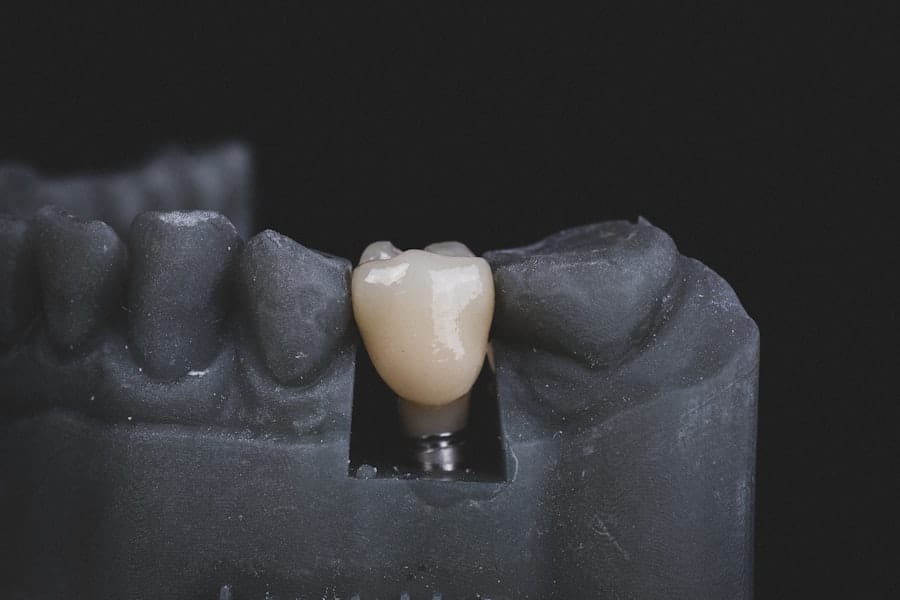
Providing precise figures without a personalized consultation is akin to estimating the cost of a car without knowing the make, model, or desired features. However, we can offer a general outlay to help you budget and prepare.
Typical Cost Ranges in the Peoria Area
While local pricing fluctuates and varies significantly between practices, you can generally expect the following cost ranges for individual components in the Camino a Lago, Peoria, Arizona area:
Single Tooth Replacement
- Implant Post: $1,000 to $3,000
- Abutment: $300 to $600
- Crown (PFM): $800 to $1,500
- Crown (All-Ceramic): $1,200 to $2,500
- Diagnostic & Surgical Fees: This can range from $1,500 to $4,000, depending on the complexity.
Therefore, a single tooth implant replacement can range from approximately $3,600 to $7,100.
Full Arch Replacement (All-on-4® Style)
This is a more substantial investment.
- The entire procedure, including implants, abutments, and the fixed prosthetic arch, can range from $15,000 to $30,000 per arch. This price often includes diagnostic imaging, surgical placement, and the final restoration.
These are broad estimates. The ultimate cost will be determined by the specific treatment plan recommended by your dentist after a thorough evaluation.
What Your Investment Typically Includes
When you receive a treatment plan, pay attention to what is included in the quoted price, as this can vary from practice to practice. Generally, the cost of dental implants should encompass:
- Initial Consultation and Diagnostic Services: X-rays, CBCT scans, and treatment planning.
- The Dental Implant Post(s): The titanium fixture(s).
- The Abutment(s): The connector piece(s).
- The Dental Crown(s) or Prosthetic Arch: The visible replacement tooth or teeth.
- The Surgical Placement of the Implant(s): The operative procedure.
- Follow-up Appointments: Post-operative checks to monitor healing and integration.
What May Not Be Included in the Initial Quote
It is crucial to clarify what is not included in the initial estimate to avoid surprises. Potential additional costs might include:
- Pre-implant dental treatments: Such as extractions, deep cleaning for gum disease, or initial root canals.
- Bone Grafting or Sinus Lift Procedures: These are often billed separately due to their complexity and the materials used.
- Temporary Restorations: Some patients may need temporary crowns or bridges during the healing and integration phase.
- Sedation Dentistry: If you opt for sedation for anxiety relief, this will likely be an additional fee.
- Post-operative medications: Prescription pain relievers, antibiotics, etc.
Payment Options and Insurance Considerations
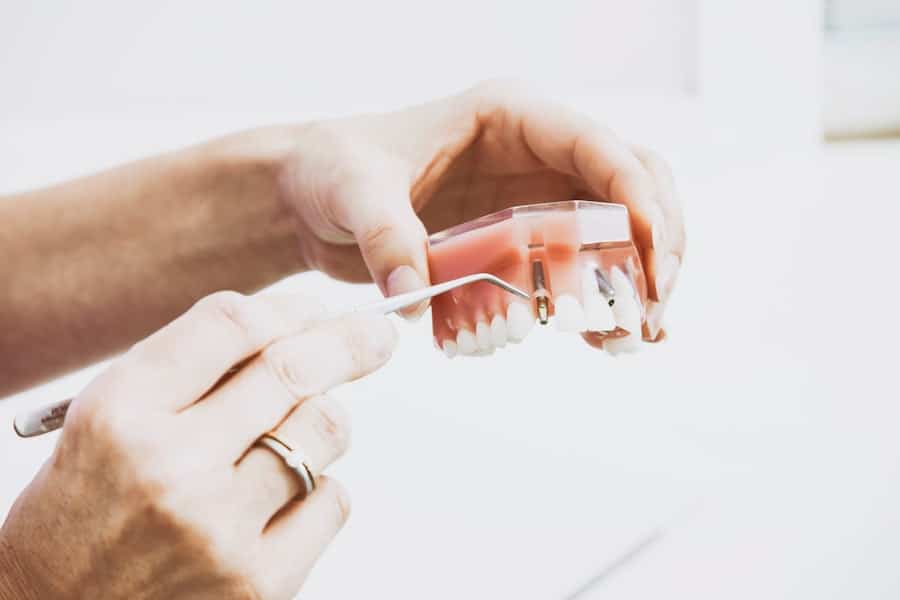
The financial commitment for dental implants can be significant, but various payment options and insurance considerations can help make this essential treatment more accessible.
Dental Insurance Coverage
Dental implant coverage varies widely among insurance plans.
Understanding Your Policy
- Consult Your Insurance Provider: It is paramount to contact your dental insurance company directly to understand your specific coverage for dental implants. Ask about:
- Coverage Percentage: What percentage of the implant procedure does your plan cover?
- Annual Maximums: Most plans have an annual limit on how much they will pay out.
- Deductibles: An amount you must pay out-of-pocket before your insurance begins to cover costs.
- Waiting Periods: Some procedures may have a waiting period before they are covered.
- Specific Exclusions: Certain aspects of implant treatment, like cosmetic upgrades or specific types of bone grafting, may not be covered.
- Implant vs. Prosthetic Coverage: Many insurance plans are more likely to cover the surgical placement of the implant (the titanium post) than the prosthetic crown, considering the crown more of a restorative or cosmetic component. However, this is not a universal rule.
- Coverage for Accidents vs. General Tooth Loss: If the tooth loss resulted from an accident, some medical insurance policies might offer partial coverage.
Working with Your Dental Office
Your dental office’s billing department can often assist you in understanding your insurance benefits and submitting claims. They can also help you determine what portion of the cost will be your responsibility.
Financing Options
For the portion of the cost not covered by insurance, or for those without dental insurance, financing options can bridge the gap.
Dental Financing Companies
Many dental practices partner with specialized third-party financing companies that offer loans tailored for dental procedures. These often come with:
- Low or No Interest Promotional Periods: Many offer interest-free periods if the balance is paid off within a specified timeframe.
- Extended Repayment Plans: Allowing you to pay off the balance over several months or even years.
- Convenient Application Processes: Typically, applications can be completed online or at the dental office.
General Lenders and Credit Cards
- Personal Loans: You may qualify for a personal loan from your bank or credit union.
- Home Equity Loans or Lines of Credit: If you own a home, these can be a viable option for larger expenses.
- General Purpose Credit Cards: While convenient, be mindful of high interest rates if you carry a balance.
Payment Plans Directly with the Dental Practice
Some dental offices may offer in-house payment plans, though these are less common for major procedures like dental implants. It’s always worth inquiring.
Health Savings Accounts (HSAs) and Flexible Spending Accounts (FSAs)
If you have an HSA or FSA through your employer, these pre-tax dollars can often be used to cover the costs of dental implants, as they are considered medically necessary procedures. Check the specific rules and limitations of your plan.
If you are considering dental implants in Camino a Lago, Peoria, Arizona, it is essential to understand the various factors that can influence the overall costs. For a comprehensive overview of dental implant pricing in different regions, you might find this related article helpful. It provides insights into the costs associated with dental implants in South Bend, Indiana, which can serve as a useful comparison. To learn more about these expenses, you can read the article here.
Making an Informed Decision for Your Oral Health
| Service | Average Cost | Notes |
|---|---|---|
| Initial Consultation | 100 – 200 | Includes examination and X-rays |
| Dental Implant Placement | 1500 – 2500 | Cost per implant post |
| Abutment Placement | 500 – 800 | Connector between implant and crown |
| Crown Placement | 1000 – 1800 | Custom-made dental crown |
| Bone Grafting (if needed) | 300 – 1200 | Required if jawbone is insufficient |
| Sinus Lift (if needed) | 1000 – 2000 | Procedure to increase bone height |
| Follow-up Visits | 50 – 150 | Per visit cost for check-ups |
Investing in dental implants is a commitment to your long-term oral health and overall well-being. By understanding the various cost components, potential additional expenses, and available payment solutions, you can approach this decision with confidence.
The Value of a Long-Term Investment
While the initial cost of dental implants may seem substantial, it’s important to view them as a long-term investment. Unlike dentures or bridges, which may need replacement or repair over time, dental implants, with proper care, can last a lifetime. They offer superior stability, prevent further bone loss, and can significantly improve your quality of life, allowing you to eat, speak, and smile with confidence.
Factors to Consider Beyond Price
- The Dentist’s Reputation and Experience: Prioritize a qualified and experienced dental professional. The cheapest option is rarely the best when it comes to your health.
- The Quality of Materials: Opt for high-quality materials that ensure durability and longevity.
- Your Overall Oral Health Goals: Dental implants are part of a broader oral health strategy. Discuss your long-term goals with your dentist.
- The Practice Environment: A clean, modern, and welcoming dental office can contribute to a positive patient experience.
The Importance of a Detailed Treatment Plan
Your dental implant journey should begin with a thorough consultation and the creation of a detailed treatment plan. This plan should clearly outline:
- The proposed treatment steps.
- The estimated timeline for each stage.
- A breakdown of all associated costs.
- Any potential risks or complications.
- Financing options available.
Take the time to ask questions, voice your concerns, and ensure you fully understand every aspect of the proposed treatment.
In Camino a Lago, Peoria, Arizona, as in any community, dental implant costs reflect a complex interplay of material science, surgical expertise, advanced technology, and practice overhead. By arming yourself with this information, you are better equipped to navigate the financial aspects and make a well-informed decision that will lead to a restored smile and lasting oral health.
FAQs
What factors influence the cost of dental implants in Camino a Lago Peoria, Arizona?
The cost of dental implants in Camino a Lago Peoria, Arizona, can be influenced by factors such as the number of implants needed, the type of implant used, the complexity of the procedure, any additional treatments required (like bone grafts), and the specific dental clinic’s pricing.
What is the average price range for dental implants in Camino a Lago Peoria?
On average, dental implants in Camino a Lago Peoria, Arizona, can range from $1,500 to $3,500 per implant. This price typically includes the implant placement but may not cover additional procedures or the crown.
Are dental implants covered by insurance in Camino a Lago Peoria?
Dental implant coverage varies by insurance plan. Many dental insurance policies do not fully cover implants but may cover parts of the procedure, such as the crown or consultation. It is important to check with your insurance provider for specific coverage details.
What additional costs should I expect besides the implant itself?
Additional costs may include consultation fees, X-rays or CT scans, bone grafting if needed, the abutment, the dental crown, and follow-up visits. These can add several hundred to a few thousand dollars to the total cost.
Are there financing options available for dental implants in Camino a Lago Peoria?
Many dental offices in Camino a Lago Peoria offer financing plans or work with third-party lenders to help patients manage the cost of dental implants. It is advisable to inquire directly with the dental clinic about available payment options.