
Dental implants have revolutionized the field of dentistry, offering a permanent solution for individuals dealing with tooth loss. If you find yourself in need of a replacement for missing teeth, you may want to consider this innovative option. Unlike traditional dentures or bridges, dental implants are designed to mimic the natural structure of your teeth, providing both aesthetic and functional benefits.
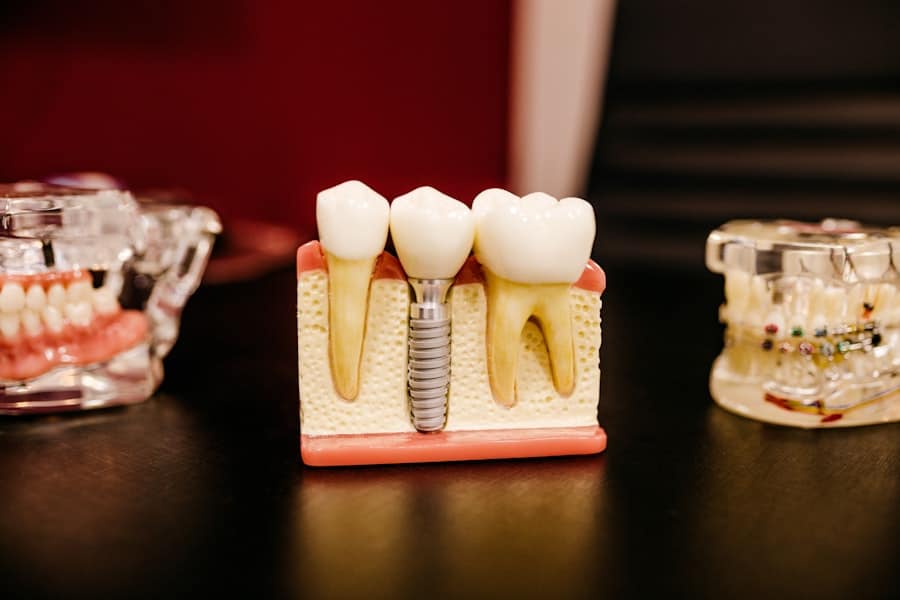
They consist of a titanium post that is surgically placed into your jawbone, serving as a sturdy foundation for a crown that will look and feel like your original teeth. The advantages of dental implants extend beyond mere appearance. They can significantly improve your ability to chew and speak, enhancing your overall quality of life.
Additionally, dental implants help maintain the integrity of your jawbone, preventing the bone loss that often accompanies missing teeth. As you explore your options for tooth replacement, understanding the ins and outs of dental implants will empower you to make informed decisions about your oral health.
Key Takeaways
- Dental implants are a popular and effective solution for replacing missing teeth, providing a natural-looking and long-lasting result.
- The cost of dental implants can vary depending on factors such as the number of implants needed, the type of implant, and any additional procedures required.
- Government assistance programs for dental implants are limited, but some options may be available for low-income individuals through Medicaid and other state-specific programs.
- Medicaid may cover dental implant procedures in some states, but coverage varies and may be limited to certain circumstances, such as for medically necessary reasons.
- Medicare typically does not cover routine dental care, including dental implants, but some Medicare Advantage plans may offer coverage for certain dental services.
The Cost of Dental Implants
When considering dental implants, one of the first questions that may come to mind is the cost. The price of dental implants can vary widely based on several factors, including the complexity of the procedure, the materials used, and the geographic location of the dental practice. On average, you might expect to pay anywhere from $3,000 to $4,500 per implant.
This figure typically includes the surgical placement of the implant, the abutment, and the crown that will be attached to it. While the initial investment may seem daunting, it’s essential to consider the long-term benefits of dental implants. Unlike other tooth replacement options that may require frequent replacements or adjustments, dental implants are designed to last for many years—often a lifetime—with proper care.
This durability can make them a more cost-effective solution in the long run. Additionally, many dental practices offer financing options or payment plans to help you manage the costs more effectively.
Government Assistance Programs for Dental Implants
Navigating the financial aspects of dental care can be challenging, especially when it comes to procedures like dental implants. Fortunately, there are government assistance programs available that may help alleviate some of the financial burden associated with these procedures. These programs are designed to provide support for individuals who may not have access to adequate dental insurance or who face financial hardships.
Understanding these assistance programs is crucial for anyone considering dental implants. They can vary by state and may have specific eligibility requirements based on income levels or other factors. By researching available options in your area, you can gain insight into how government assistance might help you afford the dental care you need.
Medicaid and Dental Implant Coverage
Medicaid is a state and federal program that provides health coverage for low-income individuals and families. While Medicaid primarily covers essential medical services, its coverage for dental procedures can differ significantly from one state to another. In some states, Medicaid may cover dental implants if they are deemed medically necessary, while in others, coverage may be limited or nonexistent.
If you are enrolled in Medicaid and considering dental implants, it’s essential to check your state’s specific policies regarding coverage. You may need to provide documentation or undergo an evaluation to determine whether your situation qualifies as medically necessary. Understanding these nuances can help you navigate the process more effectively and ensure that you receive the benefits you are entitled to.
Medicare and Dental Implant Coverage
Medicare is another government program that provides health coverage for seniors and certain individuals with disabilities. However, when it comes to dental care, Medicare has strict limitations. Generally, Medicare does not cover routine dental procedures, including dental implants.
This lack of coverage can be frustrating for those who rely on Medicare for their healthcare needs. Despite this limitation, there are some exceptions where Medicare may cover dental services if they are part of a more extensive medical procedure. For example, if you require surgery for a medical condition that also involves dental work, Medicare might cover those specific services.
It’s crucial to consult with your healthcare provider and review your Medicare plan to understand what is covered and what isn’t.
Other Government Assistance Programs for Dental Implants

State-Specific Programs
These programs can vary widely in terms of eligibility requirements and services covered.
Local Health Departments and Community Health Centers
You might also explore local health departments or community health centers that often provide dental services at reduced rates or on a sliding scale based on income. These resources can be invaluable in helping you access affordable dental care, including implants if they are deemed necessary for your oral health.
Access to Affordable Dental Care
How to Apply for Government Assistance for Dental Implants
Applying for government assistance for dental implants can seem daunting, but breaking it down into manageable steps can simplify the process. First, gather all necessary documentation, including proof of income, identification, and any medical records that support your need for dental implants. This information will be crucial in demonstrating your eligibility for assistance.
Next, research the specific programs available in your state or locality. Many government websites provide detailed information about eligibility criteria and application procedures. You may also want to reach out directly to local health departments or community organizations that can guide you through the application process.
Being proactive and organized will increase your chances of successfully obtaining the assistance you need.
Other Options for Covering Dental Implant Costs
If government assistance programs do not fully cover your dental implant costs, there are alternative options available that can help ease the financial burden. Many dental practices offer financing plans that allow you to pay for your implants over time rather than all at once. These plans often come with low or no interest rates, making them an attractive option for many patients.
Additionally, consider looking into dental discount plans or membership programs offered by various organizations. These plans typically require an annual fee but can provide significant savings on dental procedures, including implants. By exploring all available options and being proactive about your financial planning, you can find a solution that works best for your situation.
In conclusion, while the journey toward obtaining dental implants may seem overwhelming due to costs and coverage limitations, understanding your options can empower you to make informed decisions about your oral health. From government assistance programs to financing plans offered by dental practices, there are resources available to help you achieve a healthy smile without breaking the bank. Take the time to research and explore these avenues so that you can confidently move forward with your dental care needs.
If you are looking for information on government assistance programs that help cover dental implant costs, you may also be interested in reading about the costs for dental implants in Huntington Park, California. This article provides valuable insights into the average costs associated with dental implants in this area and may offer additional resources for financial assistance. To learn more about the costs for dental implants in Huntington Park, California, you can visit here.
FAQs
What are dental implants?
Dental implants are artificial tooth roots that are placed into the jaw to hold a replacement tooth or bridge.
Are dental implants covered by insurance?
In general, dental implants are not typically covered by insurance. However, some insurance plans may cover a portion of the cost.
Are there government assistance programs that help cover dental implant costs?
There are no specific government assistance programs that are designed to cover the cost of dental implants. However, some low-income individuals may qualify for Medicaid, which may cover dental services, including implants, in some states.
Are there any other financial assistance options for dental implants?
Some dental offices offer financing options or payment plans to help make dental implants more affordable. Additionally, there are organizations and foundations that provide grants or low-cost dental care to individuals in need.
What are the alternatives to dental implants?
Alternatives to dental implants include bridges, dentures, and other dental prosthetics. It’s best to consult with a dentist to determine the most suitable option based on individual needs and circumstances.