
When considering dental implants, one of the first aspects that likely comes to your mind is the cost. Dental implants can be a significant investment, often ranging from $3,000 to $4,500 per implant, depending on various factors such as location, the complexity of the procedure, and the type of implant used. This price tag can be daunting, especially if you require multiple implants.
However, it’s essential to understand that this cost reflects not only the materials used but also the expertise of the dental professionals involved in the procedure. You may find that while the initial cost of dental implants is high, they can be a more economical choice in the long run compared to other dental solutions. Unlike dentures or bridges, which may need to be replaced or adjusted over time, dental implants are designed to be a permanent solution.
This longevity can save you money on future dental work and maintenance. Additionally, many people find that the improved quality of life and enhanced confidence that comes with having a complete smile is worth the investment.
Key Takeaways
- Dental implants can be costly, but the long-term benefits often outweigh the initial expense.
- When choosing dental implants, consider factors such as the experience of the provider, the quality of materials, and the location of the clinic.
- Low-cost dental implants may come with risks such as lower quality materials and potential complications, but they can also provide affordable options for those in need.
- The longevity of low-cost dental implants can vary depending on the materials used and the expertise of the provider.
- Finding a reputable provider for low-cost dental implants is crucial for ensuring the safety and effectiveness of the procedure.
Factors to Consider When Choosing Dental Implants
Choosing the Right Type of Implant
The type of implant that best suits your needs is a crucial consideration. There are various options available, including endosteal implants, which are placed directly into the jawbone, and subperiosteal implants, which sit on top of the jawbone but beneath the gum tissue. Understanding these options will help you make an informed choice that aligns with your dental health and lifestyle.
The Importance of a Qualified Dental Professional
The experience and qualifications of the dental professional performing the procedure are critical factors to consider. You want to ensure that you are in capable hands, as the success of your dental implant largely depends on the skill of your dentist or oral surgeon. Researching their credentials, reading patient reviews, and even scheduling a consultation can provide you with valuable insights into their expertise.
Advancements in Dental Technology
The technology and techniques used by your dental professional can significantly impact the outcome of your procedure. Consider the advancements in dental technology and how they can benefit your treatment. By taking these factors into account, you can make an informed decision that meets your needs and ensures a successful outcome.
Risks and Benefits of Low-Cost Dental Implants
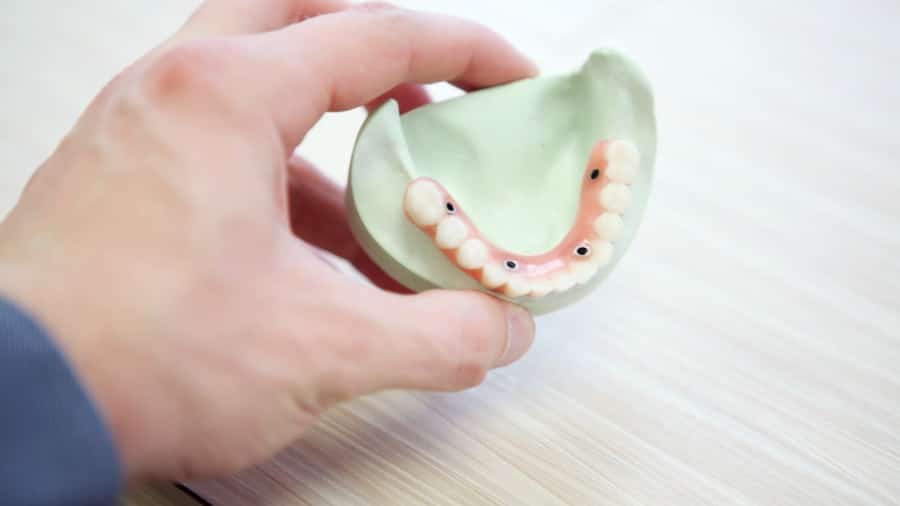
While low-cost dental implants may seem like an attractive option, it’s crucial to weigh both the risks and benefits before making a decision. On one hand, opting for a lower price point can make dental implants more accessible for those who might otherwise forgo treatment due to financial constraints. This affordability can allow you to restore your smile and improve your oral health without breaking the bank.
However, it’s essential to recognize that lower costs can sometimes come with hidden risks. The materials used in low-cost implants may not meet the same quality standards as those used in more expensive options. This could lead to complications down the line, such as implant failure or infection.
Additionally, if the provider lacks experience or proper training, you may face a higher risk of complications during or after the procedure. Therefore, while low-cost options may be appealing, it’s vital to conduct thorough research and consider potential long-term consequences.
Quality of Materials and Longevity of Low-Cost Dental Implants
The quality of materials used in dental implants plays a significant role in their longevity and overall success. When you opt for low-cost dental implants, you may find that the materials used are subpar compared to those used in higher-priced options. High-quality titanium or zirconia implants are known for their durability and biocompatibility, allowing them to integrate seamlessly with your jawbone.
In contrast, lower-cost alternatives may use inferior materials that could compromise the implant’s stability and lifespan. Longevity is another critical aspect to consider when evaluating low-cost dental implants. While they may initially seem like a budget-friendly option, if they fail prematurely due to poor material quality or inadequate placement, you could end up spending more in the long run on replacements or additional procedures.
Investing in high-quality materials from reputable manufacturers can provide peace of mind and ensure that your dental implants last for many years, ultimately making them a more cost-effective choice.
Finding a Reputable Provider for Low-Cost Dental Implants
Finding a reputable provider for low-cost dental implants is essential to ensure that you receive quality care without compromising your health. Start by seeking recommendations from friends or family who have undergone similar procedures. Their firsthand experiences can guide you toward trustworthy professionals in your area.
Additionally, online reviews and testimonials can provide valuable insights into patient satisfaction and outcomes. Once you have a list of potential providers, don’t hesitate to schedule consultations with them. During these visits, ask about their experience with dental implants, the materials they use, and their approach to patient care.
A reputable provider should be transparent about their qualifications and willing to answer any questions you may have. Furthermore, inquire about their follow-up care and support after the procedure; a good provider will prioritize your well-being even after you leave their office.
Alternatives to Low-Cost Dental Implants

If low-cost dental implants don’t seem like the right fit for you after careful consideration, there are several alternatives worth exploring. One common option is dentures, which can be a more affordable solution for missing teeth. While they may not offer the same permanence as implants, modern dentures can be quite comfortable and functional when properly fitted.
Another alternative is dental bridges, which involve anchoring artificial teeth to adjacent natural teeth. This option can be less invasive than implants and may be suitable for those who do not have sufficient jawbone density for implant placement. However, it’s essential to discuss these alternatives with your dentist to determine which option aligns best with your oral health needs and lifestyle preferences.
Insurance and Financing Options for Dental Implants
Navigating the financial aspect of dental implants can be challenging, especially if you’re concerned about costs. Many insurance plans offer some coverage for dental implants, but it’s crucial to review your policy carefully to understand what is included. Some plans may cover a portion of the procedure or related costs such as consultations or imaging studies.
If insurance coverage is limited or unavailable, consider exploring financing options specifically designed for dental procedures. Many dental practices offer payment plans that allow you to spread out the cost over time, making it more manageable for your budget. Additionally, third-party financing companies often provide loans tailored for medical expenses, including dental work.
By researching these options thoroughly, you can find a solution that makes dental implants more accessible without compromising your financial stability.
Making an Informed Decision about Low-Cost Dental Implants
Ultimately, making an informed decision about low-cost dental implants requires careful consideration of various factors. Start by assessing your oral health needs and determining whether implants are the right solution for you. Next, weigh the pros and cons of low-cost options against higher-quality alternatives while keeping in mind the potential long-term implications.
As you navigate this decision-making process, prioritize thorough research and seek guidance from trusted dental professionals. By asking questions and gathering information about materials, providers, and financing options, you can empower yourself to make a choice that aligns with both your health needs and financial situation. Remember that investing in your oral health is an investment in your overall well-being; taking the time to make an informed decision will ultimately lead to better outcomes and greater satisfaction with your choice of dental implants.
Are Low-Cost Dental Implants a Good Choice? That is a question many people ask when considering their options for dental implants. One related article that may provide some insight is Costs for Dental Implants in Charlotte, North Carolina. This article discusses the average costs associated with dental implants in that area and provides information on what factors can affect the overall price. It may be helpful for those looking to make an informed decision about their dental implant treatment.
FAQs
What are low-cost dental implants?
Low-cost dental implants are a more affordable option for individuals seeking to replace missing teeth with dental implants. These implants are typically made from the same materials as traditional implants but may be offered at a lower price due to factors such as the use of different implant brands or materials, or the location of the dental practice.
Are low-cost dental implants safe and effective?
Low-cost dental implants can be safe and effective if they are placed by a qualified and experienced dental professional. It is important to research the credentials of the dentist and the quality of the materials used in the implants to ensure safety and effectiveness.
What are the potential risks of low-cost dental implants?
Some potential risks of low-cost dental implants may include the use of lower quality materials, less experienced practitioners, and a higher risk of complications such as implant failure or infection. It is important to thoroughly research and consider these factors before choosing low-cost dental implants.
What should I consider before choosing low-cost dental implants?
Before choosing low-cost dental implants, it is important to consider the qualifications and experience of the dental professional, the quality of the materials used, the potential risks and complications, and the long-term cost of maintenance and potential revisions.
Are there alternatives to low-cost dental implants?
Yes, there are alternatives to low-cost dental implants, such as traditional dental implants, dental bridges, and dentures. It is important to discuss all available options with a qualified dentist to determine the best choice for individual needs and budget.