
Embarking on the journey to restore your smile with dental implants can feel like navigating a complex map. You’re seeking a solution that is both effective and financially viable, and you’ve landed on the subject of affordable dental implant costs in McKinney, Texas. This guide is designed to illuminate that path, offering you a clear understanding of the factors influencing expense and how to find the best value for your investment in oral health.
This article will delve into the specifics, breaking down the components of dental implant pricing and highlighting what you can realistically expect when searching for “affordable dental implant cost in McKinney Texas near me.” You will gain insights into the materials used, the expertise of the practitioners, and potential avenues for cost reduction, all presented in a factual and informative manner.
The cost of dental implants is not a monolithic figure; rather, it is a mosaic composed of various essential elements. Think of it as building a sturdy house: you wouldn’t just consider the bricks, but also the foundation, the skilled labor, and the essential plumbing and electrical systems. Each component contributes to the final structure’s integrity and, consequently, its price. For dental implants, these pillars include the implant itself, the abutment, the crown, and the surgical procedures.
The Implant Fixture: The Foundation of Your New Tooth
The dental implant fixture is the titanium post surgically placed into your jawbone, acting as the artificial root of your tooth. Its cost is a significant portion of the overall expense, influenced by several factors.
Material Science and Manufacturing
The titanium used in implant fixtures is a biocompatible material renowned for its strength and ability to osseointegrate, meaning it fuses with your bone. The purity and quality of this titanium, along with the precision manufacturing processes, contribute to its cost. High-quality implants undergo rigorous testing and adhere to strict regulatory standards, which naturally translates to a higher price tag compared to lesser-grade materials.
Brand and Manufacturer Reputation
As with many products, reputable dental implant brands often command higher prices. These companies invest heavily in research and development, clinical trials, and ongoing innovation to ensure the longevity and success of their products. A well-established brand may indicate a higher level of reliability and predictability in treatment outcomes, a factor you might consider when weighing cost against potential long-term performance.
Design and Surface Technology
Advancements in implant design and surface technology aim to improve osseointegration rates and reduce healing times. Features like specialized surface textures or specific thread designs can enhance stability and biocompatibility. These innovations, while beneficial for your treatment, often come at a premium.
The Abutment: The Bridge to Your Crown
The abutment is a connector piece that attaches to the implant fixture and protrudes above the gum line. It serves as the base upon which the artificial tooth (crown) will be secured. The cost of the abutment is generally less than the implant fixture itself, but it remains a necessary component.
Material Composition of Abutments
Abutments are typically made from titanium, but ceramic options are also available. Titanium abutments are durable and biocompatible. Ceramic abutments offer an aesthetic advantage, particularly in the anterior region of the mouth where they can blend more seamlessly with natural tooth colors and avoid the graying effect that can sometimes occur with titanium under thin gums. The choice of material can influence the cost.
Custom vs. Stock Abutments
In some cases, a custom-abutment may be fabricated to perfectly match the contours of your mouth and the angulation of the implant. This personalized approach, while offering optimal fit and aesthetics, generally incurs a higher cost than a standard, stock abutment. Your dentist will determine if a custom abutment is necessary for your specific case.
The Dental Crown: The Visible Facade of Your Replacement Tooth
The dental crown is the visible, artificial tooth that completes the implant restoration. This is the part you will see and use every day. The cost of the crown is influenced by its material and the laboratory fabricating it.
Material Choices for Crowns
Crowns can be made from various materials, each with its own set of advantages and cost implications.
- Porcelain-Fused-to-Metal (PFM): These crowns have a metal substructure covered with porcelain. They are durable and a more affordable option, but the metal can sometimes be visible at the gum line, especially with age or gum recession.
- All-Ceramic/All-Porcelain: These crowns offer superior aesthetics, mimicking the translucency and natural color of real teeth. They are a popular choice for front teeth. Common types include Zirconia and E.max. While more expensive than PFM, they provide excellent cosmetic results.
- Zirconia: This is a highly durable and aesthetically pleasing ceramic material that has gained significant popularity. It is strong enough for molars and can be milled into incredibly precise shapes. Full zirconia crowns have become a more affordable option within the ceramic category.
- Composite Resin: Sometimes used for temporary crowns or in specific situations, composite resin is the least expensive option. However, it is not as durable or aesthetically pleasing as ceramic or porcelain materials and may not be suitable for long-term restorations.
Dental Laboratory Quality and Craftsmanship
The quality of the dental laboratory that fabricates your crown plays a crucial role in its cost. Highly skilled technicians working with advanced digital milling equipment can produce crowns that are exceptionally accurate, aesthetically pleasing, and perfectly contoured to your bite. Laboratories with a strong reputation for precision and artistry will naturally charge more for their services.
Surgical Procedures: The Skill and Precision of the Dentist
The surgical placement of the dental implant is a delicate procedure requiring specialized training and expertise. The cost associated with the surgery encompasses the surgeon’s fees, anesthesia, and the use of the surgical suite.
Surgeon’s Expertise and Experience
The qualifications, experience, and specialization of the dental surgeon performing the implant placement are primary determinants of cost. A periodontist or an oral surgeon with extensive training and a proven track record in implantology may charge more than a general dentist who performs implants. Their expertise ensures optimal positioning of the implant, minimizes risks, and contributes to better long-term success rates.
Anesthesia and Sedation Options
The type of anesthesia or sedation used during the surgical procedure will also factor into the overall cost. Local anesthesia is the most basic and generally the least expensive. If conscious sedation or general anesthesia is required for patient comfort or due to the complexity of the surgery, these options will increase the price.
Facility Fees and Operating Room Costs
If the surgery is performed in a specialized surgical suite or an outpatient surgical center, there may be additional facility fees. These fees cover the cost of maintaining a sterile environment, specialized equipment, and the staffing required for a surgical setting, contributing to the overall expense.
If you’re exploring options for affordable dental implants in McKinney, Texas, you might find it helpful to read a related article that discusses the costs associated with dental implants in different regions. For instance, the article on dental implant costs in Rancho Cordova, California, provides insights that could be beneficial in understanding pricing trends and factors affecting costs. You can check it out here: Dental Implant Costs in Rancho Cordova, California.
Factors Influencing Local Pricing in McKinney, Texas
While the fundamental components of dental implant costs remain consistent, regional economic factors, the operational overhead of dental practices, and local market dynamics can influence the prices you encounter in McKinney, Texas. Understanding these localized influences will help you refine your search for affordability.
The Local Economic Landscape of McKinney
McKinney, Texas, much like any other thriving community, has its own economic profile. The cost of living, median income, and the general economic health of the region can indirectly affect the pricing strategies of local businesses, including dental practices.
Cost of Doing Business in McKinney
Dental practices in McKinney, like any business, face operational costs that are influenced by the local economy. These costs include rent or mortgage payments for office space, utilities, property taxes, and insurance. Higher overheads in a particular area necessitate price adjustments to maintain profitability.
Competitive Market Dynamics
The number of dental practices offering implant services in McKinney can create a competitive market. In areas with a high concentration of skilled implant dentists, you might observe a wider range of pricing, potentially leading to more competitive offerings. Conversely, if implant services are less readily available, prices might be higher due to limited supply.
Operational Expenses of McKinney Dental Practices
Beyond the ambient economic conditions, the internal operational expenses of dental practices in McKinney directly impact the fees they charge for services. These expenses are the engine that keeps the practice running.
Staffing and Personnel Costs
Skilled dental professionals, including dentists, dental hygienists, dental assistants, and administrative staff, require competitive salaries. The cost of employing a highly trained and experienced team in McKinney will be reflected in the overall service cost. Continuous professional development and specialized training for implant dentistry also add to these personnel expenses.
Technology and Equipment Investment
Modern dental practices invest significantly in advanced technology to provide optimal patient care. This includes state-of-the-art diagnostic equipment, such as 3D cone-beam computed tomography (CBCT) scanners for precise implant planning, digital impression systems, and advanced surgical tools. The initial cost and ongoing maintenance of these technologies are substantial and are factored into pricing.
Overhead Management and Practice Efficiency
The efficiency with which a dental practice manages its overhead is crucial. This includes everything from sterilization supplies and dental materials to marketing, administrative software, and patient scheduling systems. Practices that operate efficiently can often offer more competitive pricing without compromising the quality of care.
Insurance and Financing Considerations Specific to the Region
While dental insurance coverage for implants can vary widely, understanding how it applies in McKinney and exploring local financing options is essential for managing out-of-pocket expenses.
Navigating Local Insurance Providers and Plans
The dental insurance landscape in McKinney can be diverse, with various providers and plan structures. While many dental insurance plans do not fully cover dental implants, some may offer partial coverage, particularly if the implant is deemed medically necessary. It is important to thoroughly review your dental insurance policy or consult with your provider to understand your specific coverage for implant procedures, abutments, and crowns.
Localized Financing and Payment Plans
Many dental practices in McKinney offer flexible payment plans or work with third-party financing companies to help patients manage the cost of complex treatments like dental implants. Exploring these options, such as dental credit cards or patient financing loans, can make the cost more manageable by spreading it over a period of months or years. Understanding the interest rates and repayment terms associated with these plans is crucial.
Strategies for Finding Affordable Dental Implants in McKinney, Texas
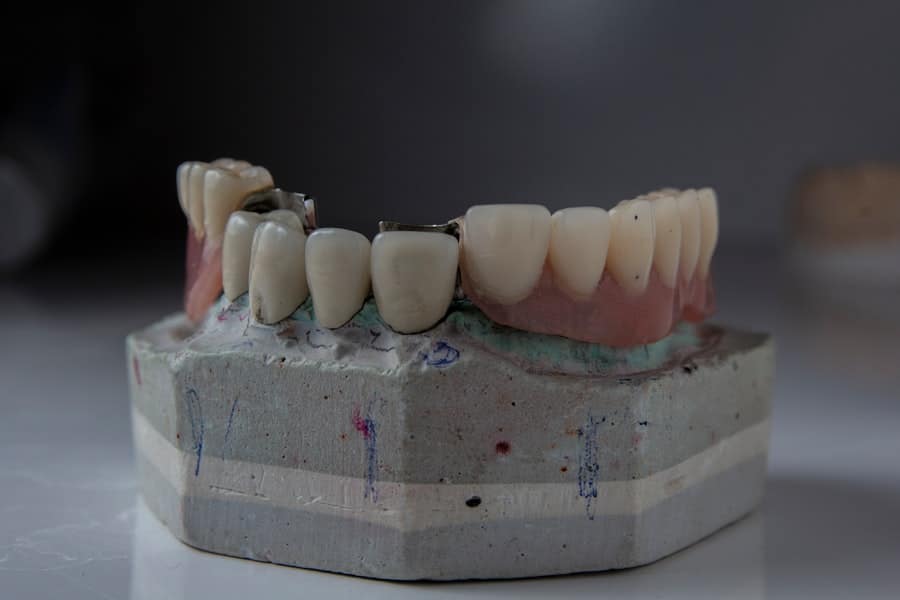
Discovering affordable dental implant solutions in McKinney requires a proactive and informed approach. It’s about strategic searching and informed decision-making, much like seeking out a quality artisan who offers fair pricing for their craftsmanship.
The Importance of Consultation and Comparison
Before committing to any dental provider, undertaking thorough consultations with multiple practitioners is paramount. This allows you to gather comprehensive information and compare not only costs but also the proposed treatment plans and the dentists’ qualifications.
Initial Consultations: What to Expect
During an initial consultation, a dentist will assess your oral health, discuss your needs and goals, and perform an examination. You should expect a discussion about the proposed implant solution, including the number of implants needed, the type of surgery, and the materials for the abutment and crown. This is also the time to ask questions about the dentist’s experience and the practice’s approach to patient care.
Comparing Treatment Proposals and Fee Structures
Once you have consulted with a few different dentists, you will have several treatment proposals. Carefully review each proposal, paying close attention to the itemized breakdown of costs. Ensure that the proposals are comparable regarding the type of implant, abutment, and crown proposed, as well as the surgical approach. Even slight variations in materials or techniques can lead to significant price differences.
Evaluating Dentist Credentials and Practice Philosophy
Beyond cost, it is vital to evaluate the credentials and experience of the dentists you consult. Look for dentists who are members of professional organizations, have completed advanced training in implant dentistry, and possess a strong track record of successful implant placements. A practice’s overall philosophy regarding patient care, communication, and post-operative support should also align with your expectations.
Exploring Different Implant System Options
The field of dental implants offers a variety of implant systems, and the brand or type of system used can influence the overall cost. Discussing these options with your dentist is key to finding a balance between quality and affordability.
Understanding Dental Implant Brands
As mentioned earlier, different manufacturers produce dental implant systems. Some brands are known for their premium pricing due to extensive research, development, and marketing. Others may offer comparable quality at a slightly lower price point. Your dentist can explain the differences between the systems they use and why they recommend a particular brand for your case.
Discussing Material Choices for Components
The materials selected for the implant fixture, abutment, and crown will significantly impact the final cost. While premium materials often offer superior aesthetics and durability, more cost-effective alternatives might be suitable depending on your specific needs and the location of the implant within your mouth. For instance, a less expensive but still durable crown material might be perfectly acceptable for a back tooth that is not highly visible.
Investigating Financial Aid and Insurance Coverage
Maximizing insurance benefits and exploring available financing options can significantly reduce your out-of-pocket expenses for dental implants. Diligent inquiry in these areas is crucial for making the treatment financially accessible.
Maximizing Dental Insurance Benefits (If Applicable)
If you have dental insurance, consult with your provider to understand what, if any, coverage you have for dental implants. While implants are often considered elective, some policies may offer partial coverage for certain aspects of the procedure, particularly if there is a functional impairment or other medical necessity. Be prepared to submit necessary documentation and pre-authorization requests to your insurance company.
Exploring Third-Party Dental Financing
Many dental practices partner with third-party financing companies that specialize in healthcare loans. These companies can offer payment plans with varying interest rates and repayment terms, allowing you to spread the cost of dental implants over a period of time that suits your budget. It is advisable to compare the terms and interest rates from different financing providers to secure the most favorable option.
In-House Payment Plans and Discounts
Some dental practices may offer in-house payment plans or charge a slightly lower fee for patients who opt for immediate full payment. Inquire about any such options directly with the dental office. Additionally, keep an eye out for any special promotions or discounts that might be offered, although these are less common for comprehensive procedures like dental implants.
The Role of Technology in Dental Implant Affordability
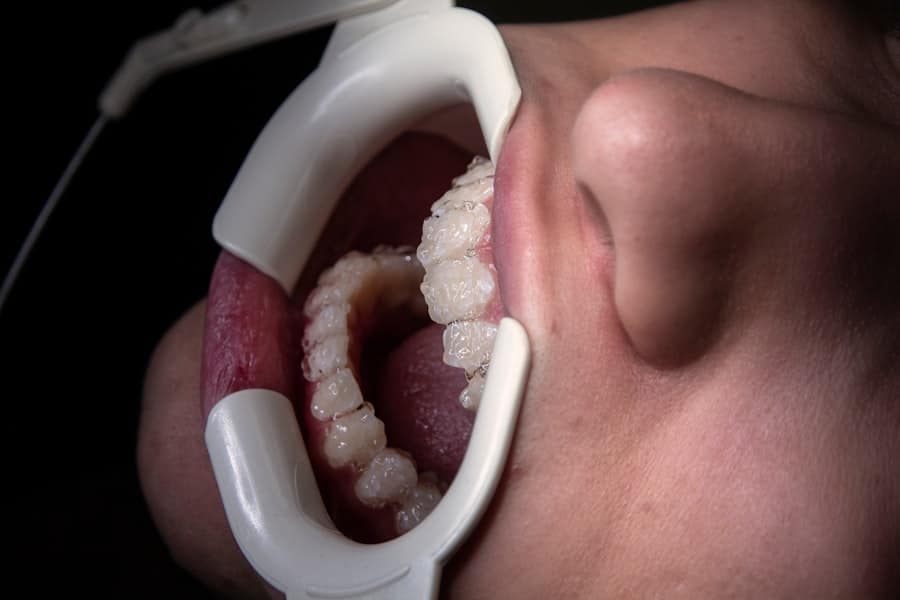
Technological advancements in dentistry are not only enhancing the precision and success rates of dental implant procedures but can also contribute to their overall affordability by optimizing workflows and reducing material waste.
Digital Planning and Imaging Technologies
The integration of digital technologies in the planning and execution of dental implant surgery has revolutionized the process. Precision is paramount in these procedures, and technology serves as the guiding compass.
Cone-Beam Computed Tomography (CBCT) Scanners
CBCT scans provide three-dimensional images of your mouth, jawbone, and surrounding structures. This detailed imaging allows dentists to precisely plan the implant placement, identify vital anatomical structures, and determine the ideal position and angle for the implant. While an upfront investment for practices, accurate planning with CBCT can reduce surgical time, minimize the risk of complications, and potentially lead to fewer unforeseen expenses during the procedure.
Intraoral Scanners and Digital Impressions
Traditional dental impressions using moldable materials can sometimes be uncomfortable for patients and subject to distortions. Intraoral scanners create highly accurate digital models of your teeth and gums. These digital impressions can be transmitted directly to dental laboratories, streamlining the crown fabrication process and potentially reducing laboratory costs due to fewer remakes caused by inaccuracies.
3D Printing and CAD/CAM Technology
3D printing and Computer-Aided Design/Computer-Aided Manufacturing (CAD/CAM) technologies are transforming how dental prosthetics are created, offering both improved customization and potential cost efficiencies.
Customized Surgical Guides
Using digital scans and planning software, dentists can design and 3D-print custom surgical guides. These guides are meticulously crafted to fit over your gums and have precise openings that direct the dental drill to the exact location and angulation for implant placement. Surgical guides enhance accuracy, reduce surgical time, and can potentially lead to fewer complications, indirectly contributing to affordability by minimizing unforeseen costs and reducing the need for revision surgeries.
In-Office Milling and Dental Prosthetic Fabrication
Some advanced dental practices are equipped with in-office milling machines that can fabricate dental crowns and other prosthetics using CAD/CAM technology. This capability can reduce the turnaround time for restorations and eliminate the shipping costs associated with sending impressions to external dental laboratories. In some instances, this in-house fabrication process may also lead to cost savings for the patient.
If you’re exploring options for affordable dental implant costs in McKinney, Texas, you might find it helpful to read a related article that discusses the pricing and factors influencing dental implant expenses in nearby Duncanville. This resource provides valuable insights that can aid in your decision-making process. For more information, you can check out the article on dental implant costs in Duncanville.
Long-Term Value and Cost-Effectiveness of Dental Implants
| Service | Average Cost | Location | Additional Notes |
|---|---|---|---|
| Single Dental Implant | 1500 – 2500 | McKinney, TX | Includes implant placement and abutment |
| Implant Crown | 800 – 1500 | McKinney, TX | Custom-made porcelain crown |
| Full Mouth Dental Implants | 20000 – 45000 | McKinney, TX | Price varies based on number of implants |
| Consultation Fee | 50 – 150 | McKinney, TX | Often waived with treatment |
| Bone Grafting | 300 – 1200 | McKinney, TX | Required if bone loss is present |
While the initial cost of dental implants might seem substantial, it is crucial to consider their long-term value and cost-effectiveness compared to other tooth replacement options. Dental implants, when properly cared for, are designed to be a permanent solution.
Durability and Longevity of Dental Implants
Dental implants are renowned for their exceptional durability and longevity. When placed by a qualified professional and maintained with good oral hygiene, they can last a lifetime. This means you are investing in a solution that does not require frequent replacement, unlike dentures or bridges that may need adjustments or replacements over time.
Comparison with Alternative Tooth Replacement Options
To truly appreciate the cost-effectiveness of dental implants, it’s beneficial to compare their long-term financial implications with alternative tooth replacement methods.
Dentures (Removable Prosthetics)
Removable dentures, while generally the least expensive upfront option, require periodic relining, adjustments, and eventual replacement. Over decades, the cumulative cost of maintaining and replacing dentures can approach or even exceed the initial investment in dental implants. Furthermore, dentures can affect taste, speech, and may not provide the same stability or chewing efficiency as implants.
Dental Bridges
Dental bridges replace missing teeth by anchoring to adjacent natural teeth. While a more stable option than dentures, bridges necessitate the alteration of healthy adjacent teeth, which can make them more susceptible to decay and require root canals or further restorations down the line. The lifespan of a dental bridge is typically 5-15 years, meaning multiple replacements might be necessary over a lifetime, contributing to ongoing costs and potential damage to otherwise healthy teeth.
Peri-implantitis and Maintenance Costs
While dental implants are highly successful, it is important to acknowledge potential complications like peri-implantitis, an inflammatory condition affecting the tissues surrounding an implant. However, with diligent oral hygiene and regular dental check-ups, the risk of such complications can be significantly minimized. The cost of managing peri-implantitis, while an expense, is generally less than the repeated costs associated with replacing failing bridges or dentures. Regular professional cleanings and check-ups are vital for preserving the health of your implants and ensuring their long-term success.
The Impact on Overall Health and Quality of Life
The benefits of dental implants extend beyond just aesthetics and chewing function; they contribute to your overall health and significantly improve your quality of life.
Improved Nutrition and Digestion
When you can chew your food effectively and comfortably, you are more likely to consume a wider variety of nutritious foods. This improved diet can have positive impacts on your overall health and digestion. Conversely, missing teeth or ill-fitting dentures can lead to dietary limitations and digestive issues.
Enhanced Self-Esteem and Social Confidence
A complete and functional smile can profoundly boost your self-esteem and confidence. Being able to speak clearly, laugh freely, and smile without hesitation can positively impact your social interactions and overall well-being. This intangible benefit is a crucial aspect of the long-term value of dental implants.
In your pursuit of affordable dental implant costs in McKinney, Texas, remember that value is often found in the long-term benefits of a well-executed and enduring solution. Carefully balancing initial investment with lifelong functionality and improved quality of life will guide you toward the most cost-effective choice for your oral health journey.
FAQs
What is the average cost of dental implants in McKinney, Texas?
The average cost of dental implants in McKinney, Texas typically ranges from $1,500 to $3,000 per implant. However, the total cost can vary depending on factors such as the number of implants needed, the type of implant, and any additional procedures required.
Are there affordable dental implant options available near McKinney, Texas?
Yes, there are affordable dental implant options available near McKinney, Texas. Many dental clinics offer payment plans, financing options, or discounted rates for multiple implants to help make the procedure more accessible.
Does dental insurance cover the cost of implants in McKinney?
Dental insurance coverage for implants varies by provider and plan. Some insurance plans may cover a portion of the implant cost, while others may not cover implants at all. It is important to check with your insurance provider to understand your specific coverage.
What factors influence the cost of dental implants in McKinney?
Several factors influence the cost of dental implants, including the complexity of the procedure, the type of implant used, the need for bone grafting or other preparatory treatments, the dentist’s experience, and the location of the dental practice.
How can I find affordable dental implant services near me in McKinney, Texas?
To find affordable dental implant services near McKinney, Texas, you can research local dental clinics, read patient reviews, inquire about payment plans or financing options, and consult with multiple providers to compare prices and services.