
Dental implant surgery has revolutionized the field of restorative dentistry, offering a permanent solution for individuals who have lost teeth due to injury, decay, or other dental issues. If you find yourself in need of a tooth replacement, understanding the intricacies of this procedure can empower you to make informed decisions about your oral health. Dental implants not only restore functionality but also enhance aesthetics, allowing you to regain confidence in your smile.
The process involves placing a titanium post into the jawbone, which serves as a sturdy foundation for artificial teeth. This innovative approach mimics the natural tooth root, providing stability and support for crowns, bridges, or dentures. As you consider this option, it’s essential to grasp the various stages of the procedure, from initial consultation to long-term maintenance.
This article will guide you through each phase, ensuring you are well-prepared for what lies ahead.
Key Takeaways
- Dental implant surgery is a common procedure used to replace missing teeth and restore oral function and aesthetics.
- Pre-surgery preparation involves a thorough dental examination, medical history review, and possibly imaging tests to assess bone density and structure.
- The surgical procedure typically involves the placement of a titanium implant into the jawbone, followed by a healing period before the placement of a prosthetic tooth or crown.
- Post-surgery care and recovery include following specific instructions for oral hygiene, managing discomfort, and attending follow-up appointments for monitoring and adjustments.
- Potential complications and risks of dental implant surgery may include infection, nerve damage, implant failure, and sinus issues, but these are rare with proper care and professional oversight.
Pre-Surgery Preparation
Before undergoing dental implant surgery, thorough preparation is crucial for a successful outcome. Your journey begins with a comprehensive consultation with your dentist or oral surgeon. During this appointment, you will discuss your medical history, current medications, and any underlying health conditions that may affect the procedure.
This dialogue is vital as it helps your healthcare provider assess your suitability for implants and tailor the treatment plan to your specific needs. In addition to the initial consultation, diagnostic imaging plays a significant role in pre-surgery preparation. You may undergo X-rays or 3D imaging to provide a detailed view of your jawbone structure and surrounding teeth.
This information allows your dentist to determine the optimal placement of the implant and evaluate bone density. If necessary, they may recommend bone grafting to ensure there is enough bone to support the implant securely. By taking these steps, you can set the stage for a smoother surgical experience and better long-term results.
The Surgical Procedure
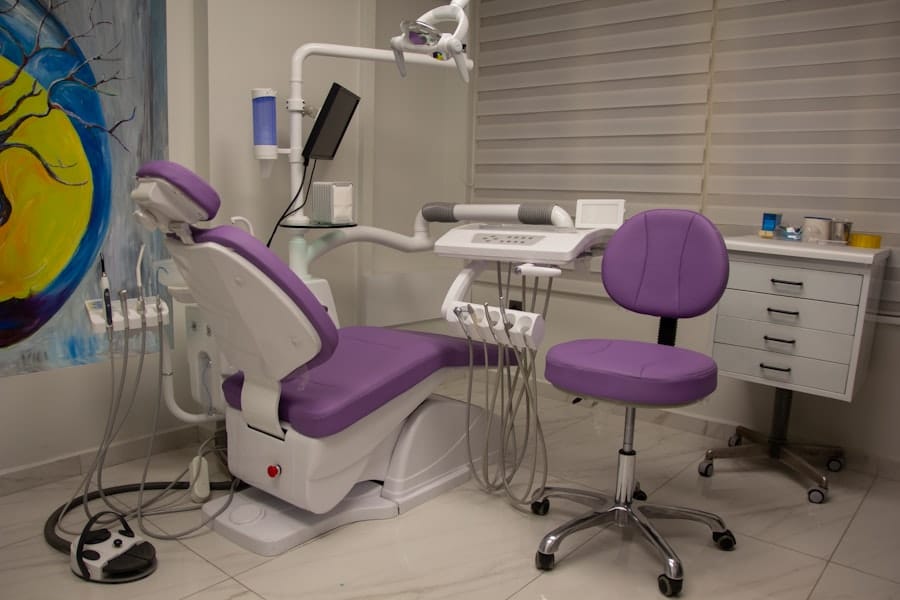
On the day of your dental implant surgery, you will arrive at the dental office or surgical center ready for the procedure. Depending on your comfort level and the complexity of the surgery, sedation options may be available to help you relax. Local anesthesia is commonly used to numb the area where the implant will be placed, ensuring that you feel minimal discomfort during the operation.
The surgical procedure itself typically involves several key steps. First, your dentist will make an incision in the gum tissue to expose the jawbone. Next, a small hole is drilled into the bone, where the titanium post will be inserted.
Once the implant is securely placed, the gum tissue is stitched back together, allowing for healing and integration with the bone—a process known as osseointegration. This phase can take several months, during which time the implant becomes firmly anchored in your jaw. Understanding this process can help alleviate any anxiety you may have about the surgery and its aftermath.
Post-Surgery Care and Recovery
After your dental implant surgery, proper post-operative care is essential for a smooth recovery. You will likely experience some swelling and discomfort in the days following the procedure, which can be managed with prescribed pain medication and ice packs. It’s important to follow your dentist’s instructions regarding pain management and any dietary restrictions during this healing period.
Maintaining good oral hygiene is crucial as well. While you may need to avoid brushing directly over the surgical site initially, keeping your mouth clean will help prevent infection. Your dentist may recommend using an antibacterial mouthwash to aid in healing.
Regular follow-up appointments will also be scheduled to monitor your progress and ensure that everything is healing as expected. By adhering to these guidelines, you can promote optimal recovery and set yourself up for long-term success with your dental implants.
Potential Complications and Risks
While dental implant surgery is generally safe and effective, it’s important to be aware of potential complications and risks associated with the procedure. One common concern is infection at the implant site, which can occur if proper hygiene is not maintained during recovery. Signs of infection may include increased swelling, pain, or discharge from the surgical area.
If you notice any of these symptoms, it’s crucial to contact your dentist promptly for evaluation and treatment. Another risk involves implant failure, which can happen if there isn’t enough bone density or if excessive pressure is applied to the implant during healing. Factors such as smoking, uncontrolled diabetes, or poor oral hygiene can also contribute to complications.
Understanding these risks allows you to take proactive measures to minimize them and engage in open communication with your dental care team throughout your treatment journey.
Long-Term Maintenance and Follow-Up

Post-Healing Care for Dental Implants
Once your dental implants have fully integrated into your jawbone and healed properly, long-term maintenance becomes essential for their longevity. Regular dental check-ups are vital for monitoring the health of both your implants and surrounding teeth. Your dentist will assess the condition of your gums and ensure that there are no signs of infection or other issues that could compromise your implants.
Professional Care for Optimal Health
In addition to regular check-ups, professional care is crucial for maintaining the health of your dental implants. Your dentist will provide personalized guidance on how to care for your implants and address any concerns you may have.
Home Care for a Healthy Smile
Maintaining a diligent oral hygiene routine at home is crucial for the longevity of your dental implants. Brushing twice daily with a soft-bristled toothbrush and flossing regularly will help keep plaque buildup at bay and promote gum health. You may also want to consider using specialized cleaning devices designed for dental implants to ensure thorough cleaning around the implant site.
A Lifetime of Benefits
By committing to these practices, you can enjoy the benefits of your dental implants for many years to come. With proper care and maintenance, your dental implants can provide a natural-looking and feeling smile that enhances your overall quality of life.
Cost and Insurance Considerations
When contemplating dental implant surgery, understanding the financial aspects is essential. The cost of dental implants can vary significantly based on factors such as location, complexity of the case, and whether additional procedures like bone grafting are necessary. On average, you might expect to pay anywhere from $3,000 to $4,500 per implant, including both surgical and restorative components.
Insurance coverage for dental implants can also differ widely among plans. Some insurance providers may cover a portion of the costs associated with implants if they are deemed medically necessary or if they replace missing teeth due to injury or disease. It’s advisable to check with your insurance company beforehand to understand what is covered and what out-of-pocket expenses you may incur.
Additionally, many dental practices offer financing options or payment plans that can help make this investment in your oral health more manageable.
Conclusion and Frequently Asked Questions
In conclusion, dental implant surgery offers a transformative solution for those seeking to restore their smiles and improve their quality of life after tooth loss. By understanding each phase of the process—from pre-surgery preparation through long-term maintenance—you can approach this journey with confidence and clarity. Remember that open communication with your dental care team is key; they are there to address any concerns or questions you may have along the way.
As you consider dental implants, you might have some frequently asked questions in mind. For instance, many people wonder about the longevity of implants; with proper care, they can last a lifetime. Others may ask about pain levels during surgery; while some discomfort is expected post-operatively, most patients report that it is manageable with medication.
Ultimately, being well-informed about dental implant surgery will empower you to make decisions that align with your health goals and lifestyle preferences.
If you are considering dental implant surgery, you may be interested in learning about the costs associated with the procedure. A related article on costs for dental implants in El Cajon, California can provide valuable information on what to expect financially. To read more about the expenses involved in dental implant surgery in El Cajon, visit this article.
FAQs
What is dental implant surgery?
Dental implant surgery is a procedure to replace a missing tooth with an artificial tooth root and crown. It involves surgically placing the implant into the jawbone, allowing it to fuse with the bone, and then attaching a custom-made crown to the implant.
Who is a candidate for dental implant surgery?
Candidates for dental implant surgery should have good oral and overall health, adequate jawbone density to support the implant, and healthy gums. They should also be committed to maintaining good oral hygiene and regular dental visits.
What is the process of dental implant surgery?
The process of dental implant surgery involves a consultation and examination, implant placement surgery, healing and osseointegration, and finally, the attachment of the crown. The entire process can take several months to complete.
What are the benefits of dental implant surgery?
Dental implant surgery offers several benefits, including improved appearance, speech, and chewing ability. It also helps to prevent bone loss in the jaw and does not require altering adjacent teeth, as with traditional bridges.
What is the success rate of dental implant surgery?
The success rate of dental implant surgery is high, with reported success rates of over 95% for the lower jaw and 90-95% for the upper jaw. However, success can depend on factors such as the patient’s overall health, oral hygiene, and the skill of the dental surgeon.
What is the recovery process after dental implant surgery?
Recovery after dental implant surgery involves some discomfort and swelling, which can be managed with pain medication and ice packs. Patients are advised to eat soft foods, practice good oral hygiene, and follow any post-operative instructions provided by their dental surgeon.