
Are you considering dental implants in Shoreline, Washington but are unsure about the costs? Look no further! In this article, we will provide you with a comprehensive overview of the costs associated with dental implants in Shoreline. From the initial consultation to the final restoration, we will break down the expenses involved, helping you make an informed decision about your dental health. So, get ready to discover the affordable options available for dental implants in Shoreline, Washington.
What are dental implants?
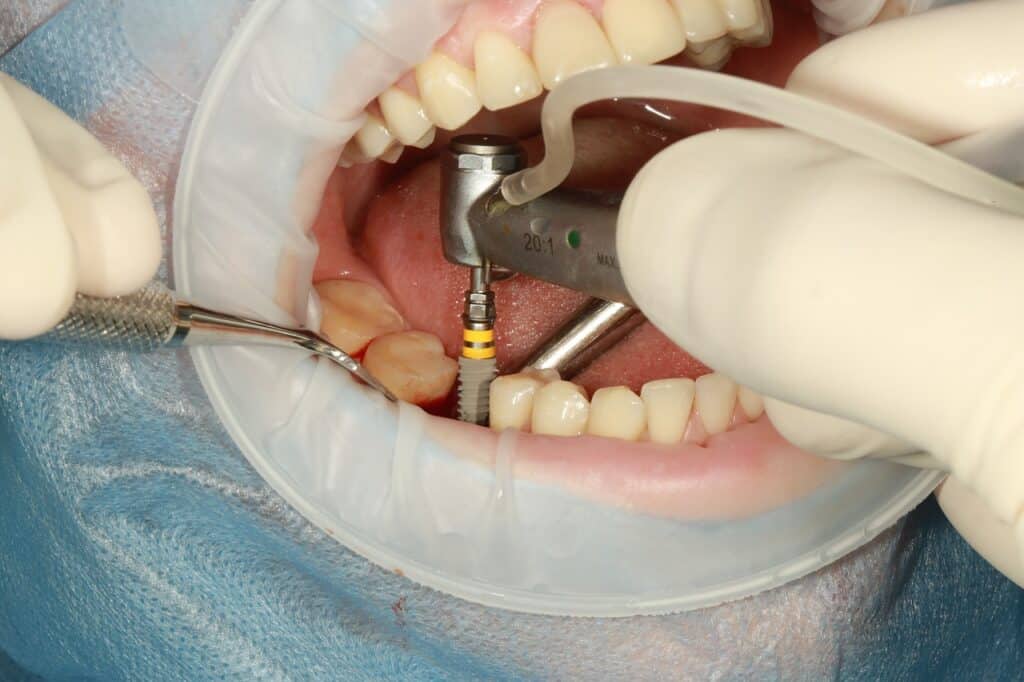
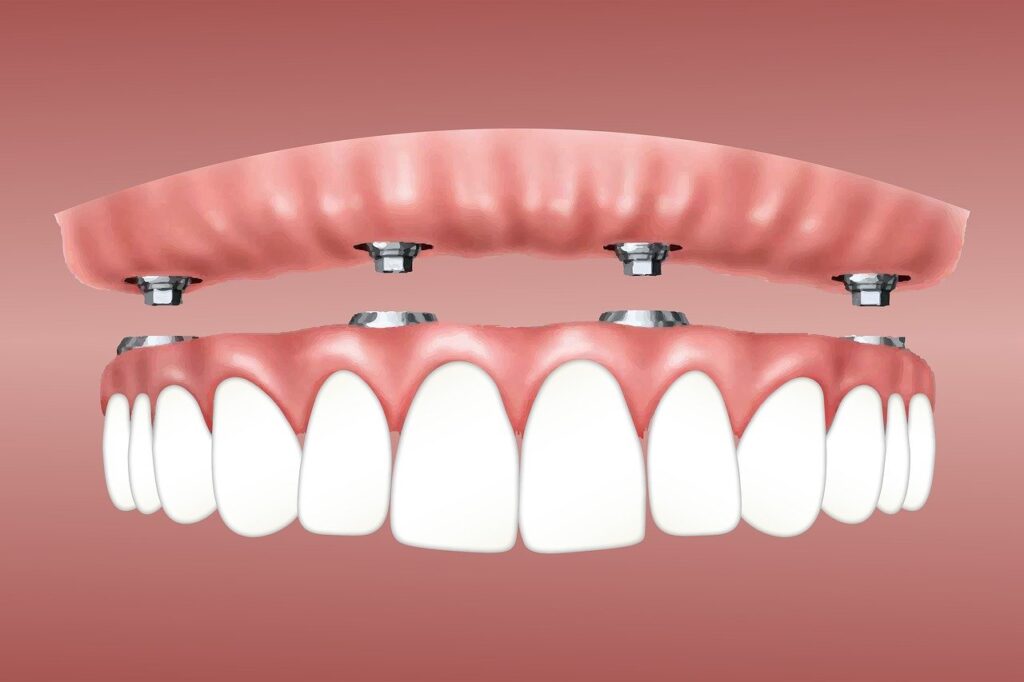
Dental implants are a type of tooth replacement option that involve surgically placing artificial tooth roots, typically made of titanium, into the jawbone. These implants serve as a strong and stable foundation for the replacement teeth that will be attached to them. Unlike dentures or bridges that sit on the gums or rely on adjacent teeth for support, dental implants are fused to the jawbone, providing a long-lasting and natural-looking solution for missing teeth.
Definition of dental implants
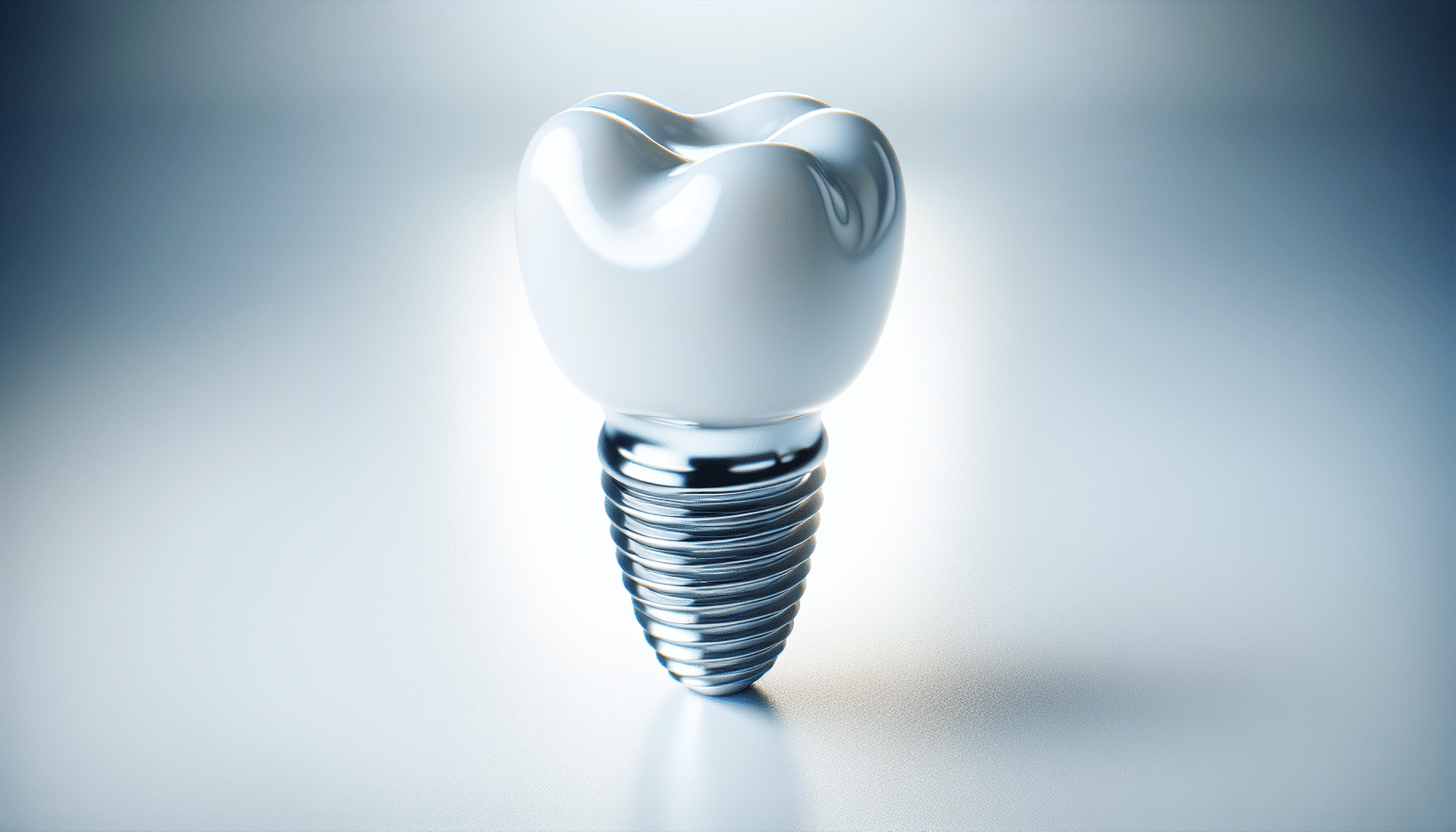
Dental implants can be defined as prosthetic devices that are surgically implanted into the jawbone, serving as a replacement for a missing tooth or teeth. They consist of an implant fixture, which is surgically placed into the jawbone, an abutment that connects the fixture to the replacement tooth, and a custom-made crown or prosthetic tooth that restores the appearance and functionality of the missing tooth.
How dental implants work
The process of dental implantation involves several stages. First, the implant fixture is surgically placed into the jawbone, usually under local anesthesia. It is then left to heal for a period of time, ranging from a few weeks to several months, during which the implant fuses with the surrounding bone through a process called osseointegration. Once the healing is complete and the integration is successful, the abutment is attached to the fixture, and the custom-made crown or prosthetic tooth is affixed to the abutment. The result is a permanent and aesthetically pleasing solution that functions just like a natural tooth.
Benefits of dental implants
Dental implants offer numerous benefits that make them a popular choice for tooth replacement. Beyond simply filling the gaps in your smile, dental implants provide a range of advantages that contribute to better oral health and overall well-being.
Improved appearance
One of the most significant benefits of dental implants is the restoration of a natural-looking smile. By replacing missing teeth, dental implants can enhance your overall facial appearance and improve your self-confidence. The custom-made crowns or prosthetics used with implants are carefully designed to match the shape, color, and alignment of your natural teeth, ensuring a seamless integration that allows you to smile with confidence once again.
Enhanced speech and comfort
Missing teeth can often affect your ability to speak clearly, causing speech impairment or difficulties in pronunciation. Dental implants help to address these concerns by restoring the natural functionality of your teeth. Unlike traditional dentures, which may slip or cause discomfort, implants are securely anchored in the jawbone, providing stability and eliminating any discomfort or inconvenience associated with removable prosthetics.
Better oral health and hygiene
Dental implants not only replace missing teeth but also contribute to the overall improvement of oral health. Unlike dental bridges, which require neighboring teeth to be filed down for support, implants do not affect or compromise the integrity of adjacent teeth. Moreover, dental implants stimulate the jawbone, preventing bone loss and preserving the natural facial structure. This stimulation also supports gum health by preventing the recession that can occur with missing teeth, reducing the risk of further oral health issues in the future.
Durability and longevity
When properly cared for, dental implants can last a lifetime. Compared to other tooth replacement options, such as dentures or dental bridges, which may require repair or replacement over time, dental implants offer superior durability. The titanium implant fixture and the fusion with the jawbone provide a strong and stable foundation for the replacement tooth, allowing it to withstand the normal forces of biting and chewing without the risk of damage or displacement.
No need for adhesives or removal
Unlike removable dentures, dental implants eliminate the need for messy adhesives or removal at night. Once the implants are fully integrated and the replacement tooth is attached, they become a permanent part of your mouth, functioning just like natural teeth. This eliminates the inconvenience and hassle associated with the proper care and maintenance of removable dentures, allowing you to enjoy a worry-free and hassle-free dental solution.
Preservation of facial structure
When a tooth is lost, the jawbone in the area can start to deteriorate over time. This can result in changes to the facial structure, causing a sunken appearance or premature aging. Dental implants help to prevent this bone loss by stimulating the jawbone, preventing its resorption. By preserving the bone structure, dental implants not only maintain the integrity of your facial features but also provide a youthful and attractive appearance.
Factors affecting dental implant costs
When considering dental implants, it is important to understand that costs can vary depending on various factors. While dental implants tend to be more expensive than other tooth replacement options, the benefits and long-term durability often justify the higher upfront investment. Here are some of the factors that can influence the cost of dental implants:
Number of implants needed
The number of dental implants you require will contribute to the overall cost. If you are missing multiple teeth, the number of implants needed will be higher, resulting in increased costs. However, some dental clinics may offer discounts for multiple implants, so it’s worth discussing with your dentist.
Quality and type of implant
There are various brands and types of dental implants available, each with their own pricing. Higher-quality implants may come with a higher price tag, but they often offer better durability, aesthetics, and long-term success rates. It is important to choose a reputable implant brand and discuss your options with your dentist to ensure you are receiving the best quality for your investment.
Implant material
The material used for the implant fixture can also influence the cost. Titanium implants are the most commonly used and widely accepted material due to their biocompatibility and durability. Other materials, such as zirconia, may come at a higher cost but can be suitable in certain circumstances. Your dentist will help determine the most appropriate material for your specific needs.
Bone grafting or additional procedures
In some cases, patients may require additional procedures, such as bone grafting, to ensure there is sufficient bone density and volume to support the dental implant. These extra procedures add to the overall cost of dental implant treatment. Your dentist will evaluate your bone structure during the initial consultation to determine if any additional procedures are necessary.
Experience and expertise of the dentist
The skill and experience of the dentist performing the implant surgery can affect the cost. Dentists with more experience and expertise in dental implant procedures may charge higher fees. While it may be tempting to opt for a cheaper option, it is crucial to prioritize quality and choose a highly qualified dentist to ensure successful and long-lasting results.
Geographical location
Dental implant costs can also vary depending on the location of the dental clinic. Areas with a higher cost of living and more affluent neighborhoods may have higher dental implant prices compared to areas with a lower cost of living. It is advisable to research and compare prices in different locations to find a balance between cost and quality.
Initial consultation
Before undergoing dental implant treatment, it is crucial to schedule an initial consultation with a dental professional who specializes in implant dentistry. This consultation is an essential step in the dental implant process and provides an opportunity to discuss your treatment plan, evaluate your dental health and bone structure, and receive a cost estimate. Here is what you can expect during your initial consultation:
Importance of initial consultation
The initial consultation serves as a foundation for your dental implant journey. It allows the dentist to fully assess your dental health, discuss your expectations and concerns, and determine if you are a suitable candidate for dental implants. Additionally, the consultation provides an opportunity for you to ask questions, understand the treatment process, and gain clarity on the associated costs.
Discussion of treatment plan
During the initial consultation, your dentist will discuss your treatment plan in detail. This includes explaining the steps involved in the dental implant process, discussing the number of implants required, and addressing any additional procedures that may be necessary. A comprehensive treatment plan will be tailored to your specific needs and will outline the timeline, potential risks, and associated costs.
Evaluation of dental health and bone structure
Your dentist will evaluate your dental health to ensure that your oral hygiene is optimal and your gums are free from any signs of infection or disease. Additionally, they will examine your bone structure to assess its density and volume. This evaluation will help determine if any additional procedures, such as bone grafting, are necessary before the dental implant surgery can take place.
X-rays and imaging
To acquire a detailed understanding of your dental anatomy, your dentist may take X-rays or use advanced imaging techniques, such as CT scans or 3D imaging. These images allow the dentist to evaluate the condition of your jawbone, assess the position of neighboring teeth, and plan the precise placement of the dental implants. X-rays and imaging help ensure the success and accuracy of the dental implant procedure.
Cost estimate
During the initial consultation, your dentist will provide you with a cost estimate for your dental implant treatment. This estimate will include the costs of the implant placement surgery, implant fixtures and abutments, custom-made crowns or prosthetics, any additional procedures, anesthesia and medications, and follow-up appointments and maintenance. It is important to review and understand the cost breakdown, ask any questions, and discuss financing options or discounts before proceeding with the treatment.
Cost breakdown for dental implants
Understanding the breakdown of costs associated with dental implants can help you effectively plan and budget for your treatment. Here are the key elements involved in the cost of dental implants:
Cost of implant placement surgery
The surgical placement of the implant fixtures is a crucial step in the dental implant process. The cost of this surgery typically includes the dentist’s fees, the cost of surgical instruments and materials, and the use of a sterile operating room. The complexity of the surgery, the number of implants required, and the experience of the dentist can all influence the cost of the procedure.
Cost of implant fixtures and abutments
The implant fixtures and abutments are the components that are surgically placed into the jawbone and connect the replacement tooth to the implant. The cost of these components can vary depending on the brand, material, and quality. Higher-quality implant fixtures and abutments may come with a higher price but often offer better long-term success rates and aesthetics.
Cost of custom-made crown or prosthetic
The custom-made crown or prosthetic tooth that is attached to the implant abutment is typically fabricated in a dental laboratory. The cost of this component includes the dentist’s fee for impressions and measurements, as well as the materials and labor involved in creating a natural-looking and durable replacement tooth. The materials used, such as porcelain or zirconia, can impact the overall cost.
Cost of any additional procedures
If additional procedures, such as bone grafting or sinus lift, are necessary to create a suitable environment for the implant, they will contribute to the total cost of the treatment. These procedures involve additional surgical steps and may require specialized materials or laboratory work, which can increase the overall cost of the dental implant treatment.
Cost of anesthesia and medications
During the implant placement surgery, anesthesia is used to ensure your comfort and a pain-free experience. The cost of anesthesia, as well as any pre-operative or post-operative medications, will be factored into the overall cost of your dental implant treatment. The specific type of anesthesia used and the duration of the surgery can influence the cost.
Cost of follow-up appointments and maintenance
After the dental implant surgery, a series of follow-up appointments will be necessary to monitor the healing process and ensure the long-term success of the implants. These appointments may involve X-rays, dental cleanings, and adjustments to the replacement teeth if needed. The cost of these follow-up appointments and any necessary maintenance or repairs will be included in the overall cost of your dental implant treatment.
Insurance coverage for dental implants
Insurance coverage for dental implants can vary depending on your insurance provider and the specific terms of your policy. While dental implants are generally considered a cosmetic procedure, some insurance plans may offer partial coverage or reimbursements for certain aspects of the treatment. It is important to understand your insurance coverage before proceeding with dental implant treatment.
Typical insurance coverage for dental implants
Most dental insurance plans do not provide coverage for the entire cost of dental implants. However, they may cover a certain percentage of specific aspects of the treatment, such as the cost of the crown or prosthetic tooth. Some plans may also cover a portion of the surgical procedure or any necessary additional procedures. It is advisable to review your insurance policy and speak with your insurance provider to ascertain the extent of your coverage.
Factors influencing insurance coverage
Several factors can influence the insurance coverage for dental implants. Insurance plans often base their coverage on medical necessity, which means that the tooth loss must be a result of injury or certain medical conditions. A history of failed previous tooth replacement options, such as failed bridges or dentures, may also contribute to increased coverage. It is essential to provide your insurance company with all the necessary documentation and information to support your case for coverage.
Alternate financing options
If your insurance coverage for dental implants is limited or non-existent, there are alternative financing options available to help make the treatment more affordable. Many dental clinics offer payment plans or financing options that allow you to spread out the cost of the treatment over several months or years. These options often come with low or no interest rates, making it more manageable to fit dental implant treatment into your budget.
Dental discount plans
Dental discount plans, also known as dental savings plans, are another option to consider when seeking financial assistance for dental implant treatment. These plans require an annual membership fee and provide discounted rates for various dental procedures, including dental implants. Unlike insurance plans, dental discount plans do not have waiting periods or exclusions for pre-existing conditions, making them a viable option for those without comprehensive insurance coverage.
Average cost of dental implants in Shoreline, Washington
The average cost of dental implants can vary depending on your geographical location. In Shoreline, Washington, the cost range for dental implants is typically between $3,000 and $6,000 per implant. This cost includes the implant placement surgery, implant fixtures and abutments, and the custom-made crown or prosthetic tooth. However, it is important to note that this range is an estimate and can vary based on individual factors and the specific dental clinic you choose.
Explanation of average cost range
The average cost range for dental implants in Shoreline, Washington, reflects the overall cost of the treatment, taking into account the various components involved. The cost includes the surgical placement of the implants, the materials used for the implant fixtures and abutments, and the fabrication of the custom-made crown or prosthetic tooth. It is important to consult with a dentist for an accurate cost estimate based on your specific needs.
Comparison with national averages
The average cost of dental implants in Shoreline, Washington, is generally in line with the national averages. Dental implant costs can vary across different regions in the United States, with factors such as cost of living, local market competition, and the expertise of dental professionals influencing the prices. Comparing the average cost of dental implants in Shoreline to the national averages can give you an idea of where it stands in terms of affordability and value.
Factors contributing to cost variations
Several factors contribute to the variations in dental implant costs, both regionally and nationally. Factors such as the number of implants needed, the quality and type of implants used, the implant material, the need for additional procedures, the experience of the dentist, and the geographical location can all influence the overall cost. It is important to consider these factors and consult with your dentist to understand the specific cost breakdown for your dental implant treatment.
Tips for reducing dental implant costs
While dental implants may represent a higher initial cost compared to other tooth replacement options, there are several strategies you can consider to help reduce the overall cost:
Research different dental implant providers
Take the time to research and compare different dental implant providers in your area. Look for reputable dental clinics that offer transparent pricing, have positive patient reviews, and employ experienced dentists who specialize in implant dentistry. By comparing costs and services, you can find a provider that offers quality treatment at a competitive price.
Consider financing options
If the upfront cost of dental implant treatment is a concern, inquire about financing options offered by dental clinics. Many clinics offer flexible payment plans that can help you manage the cost over a specified period. These payment plans often come with low interest rates or even zero interest, allowing you to pay for the treatment in manageable installments.
Discuss payment plans and discounts
When discussing your treatment plan with your dentist, don’t hesitate to ask about any available payment plans or discounts. Dentists understand that dental implant treatment is an investment, and many are willing to work with patients to make it more affordable. They may offer discounts for multiple implants or provide options for phased treatment, allowing you to prioritize and spread out the cost over a longer period.
Explore dental schools or clinics
Dental schools and clinics often offer reduced-cost or discounted dental implant treatment as part of their training programs. While the treatment is performed by dental students under the supervision of experienced faculty, the quality of care is still high. This can provide a more affordable option for those who are willing to consider treatment by trainee dentists.
Travel for affordable dental implant options
For individuals who are open to international travel, exploring dental tourism can offer significant cost savings for dental implant treatment. Many countries, such as Mexico, Costa Rica, and Thailand, offer high-quality dental care at a fraction of the cost in other countries. However, it is essential to thoroughly research and choose a reputable dental clinic with experienced dentists to ensure the quality and safety of the treatment.
Importance of quality over cost
When considering dental implant treatment, it is crucial to prioritize quality over cost. While the upfront cost of dental implants may be higher compared to other options, their durability, functionality, and long-term benefits make them a worthwhile investment. By choosing high-quality implants, you can minimize the risk of complications, avoid additional costs associated with repairs or replacements, and enjoy the benefits of a long-lasting and natural-looking tooth replacement solution.
Long-term benefits of quality implants
Investing in quality dental implants can yield long-term benefits for your oral health, appearance, and overall well-being. High-quality implants are designed to last a lifetime when properly maintained, saving you from the hassle and cost of replacing or repairing lesser-quality options. They also provide a secure and stable foundation for your replacement teeth, allowing you to eat, speak, and smile with confidence.
Avoiding complications and additional costs
Choosing quality implants and working with an experienced dentist significantly reduces the risk of complications during and after the dental implant treatment. Implant failure, infection, and damage to neighboring structures can result from using subpar materials or inadequate surgical techniques. Avoiding these complications saves you from additional costs of revision surgeries or the need for alternative treatment options, ensuring a successful and hassle-free dental implant experience.
Dental implants offer a range of benefits that contribute to improved oral health, appearance, and overall well-being. While the cost of dental implants may be higher than other tooth replacement options, their durability, longevity, and natural-looking results justify the investment. By understanding the factors that influence dental implant costs and exploring financing options, you can make dental implant treatment more affordable. Prioritizing quality over cost ensures the long-term success and satisfaction of your dental implant journey. So, take charge of your oral health and prioritize dental implants to restore your smile and regain your confidence.
Maps Of Shoreline, Washington
Weather In Shoreline, Washington
[simple-weather location=”Shoreline, Washington”]
Here is on Costs For Dental Implants Shoreline Washington
Costs For Dental Implants Shoreline Washington
Ideal Dental Shoreline
Dentist
20011 Ballinger Way NE Ste B-100 · +1 206-946-6471
JAWNT Oral Surgery
Dental clinic
15823 Westminster Way N · +1 206-848-5788
North Sound Oral Surgery
Oral surgeon
1130 N 185th St Suite 101 · +1 206-542-1313
Related Topics About Costs For Dental Implants Shoreline Washington
Dental Implant Infection Rate,
Dental Implant Ratings,
Dental Implant Specifications,
Dental Implants Central Coast,
Dental Implants Central Coast Nsw,
Dental Implants Gold Coast Cost,
Dental Implants Gold Coast Reviews,
Dental Implants Of Ocala Reviews,
Dental Implants Sunshine Coast,
Dental Implants Sunshine Coast Qld,
How Much Do Dental Implants Run,
Shoreline Dental Implants,
Shoreline Periodontics And Dental Implants,
Types Of Abutments For Dental Implants,
What Is A Short Dental Implant