
Embarking on the journey of dental implant restoration is a significant decision, both for your oral health and your financial planning. This article aims to provide you with a comprehensive overview of dental implant financing options available in Tucker Hill, McKinney, Texas, equipping you with the knowledge to navigate this process effectively. Your smile, after all, is a precious commodity, and investing in its restoration is an investment in your overall well-being and confidence.
Dental implants represent a long-term solution for tooth loss, functioning as artificial tooth roots that anchor prosthetic teeth. This innovative approach offers a stable and natural-feeling replacement for missing teeth, distinguishing them from dentures or bridges. The initial cost of dental implants can appear substantial, as it encompasses not only the implant fixture itself but also the abutment and the final crown. Furthermore, the expertise of the dental professional, the materials used, and any necessary preparatory procedures, such as bone grafting, contribute to the overall financial outlay. It is crucial to view this not merely as an expense, but as an investment in your health, your ability to eat comfortably, speak clearly, and project a confident image.
The Anatomy of Dental Implant Costs
To fully grasp the financial landscape of dental implants, it’s essential to dissect the components that contribute to the final price.
The Implant Fixture: The Foundation of Your New Tooth
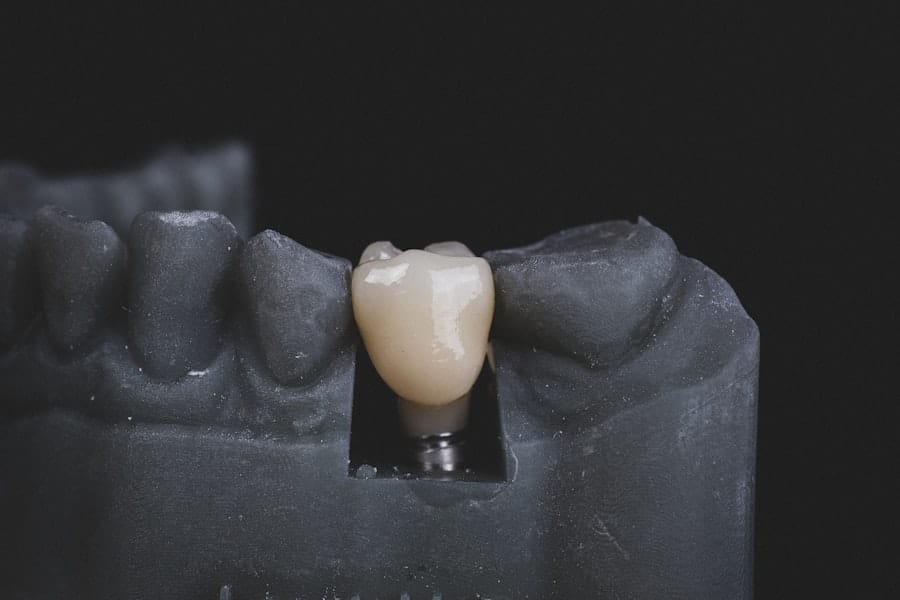
This is the titanium post surgically placed into your jawbone, serving as the sturdy bedrock for your future tooth. The quality and type of titanium used, along with the brand and manufacturing precision, can influence its cost. Think of this as laying the literal foundation for a house; the sturdier and more reliable the foundation, the more secure the entire structure.
The Abutment: The Connector Piece
Once the implant has fused with the bone (a process called osseointegration), an abutment is attached. This is a small connector that protrudes above the gumline, providing a platform for the prosthetic tooth. The materials used for the abutment, such as titanium or zirconia, will also factor into the overall cost.
The Prosthetic Crown: The Visible Solution
This is the artificial tooth that sits atop the abutment, designed to match the appearance and function of your natural teeth. Ceramic, porcelain, or zirconia are common materials, each offering different aesthetic qualities and durability, and consequently, varying price points.
Ancillary Procedures: Preparing the Ground
In many cases, the existing bone density in your jaw may not be sufficient to support an implant. This is where procedures like bone grafting or sinus lifts come into play. These are preparatory interventions that build up the bone structure, ensuring a stable anchor for the implant. While essential for successful long-term outcomes, they add to the initial investment.
Long-Term Value Proposition
While the upfront cost of dental implants might seem high, it’s vital to consider their longevity and the avoidance of future expenses associated with less permanent solutions. Dental implants, with proper care, can last a lifetime. This contrasts with dentures that may require relining or replacement over time, or bridges that might necessitate work on adjacent teeth. In essence, you are investing in a durable, one-time solution that can potentially save you money and discomfort in the long run.
If you’re considering dental implant financing options in Tucker Hill, McKinney, Texas, you may find it helpful to explore related information on the costs associated with dental implants. A comprehensive resource can be found in this article, which discusses the various factors that influence dental implant pricing in Waco, Texas. For more details, you can read the article here: Costs for Dental Implants in Waco, Texas. This information can assist you in making informed decisions about your dental care and financing options.
Navigating Financing Options in Tucker Hill, McKinney, Texas
Understanding your financing options is as critical as understanding the dental implant procedure itself. Tucker Hill and the broader McKinney, Texas area offer a range of avenues to explore, making this transformative treatment accessible.
Dental Insurance: A Potential Contribution
While not all dental insurance plans cover the entirety of dental implant procedures, many offer partial coverage. It’s imperative to thoroughly review your policy documents or contact your insurance provider directly to ascertain the extent of your coverage.
Verifying Your Coverage
- In-Network vs. Out-of-Network: Understand if your dentist is in-network with your insurance provider. In-network providers often have pre-negotiated rates, which can reduce your out-of-pocket expenses.
- Coverage Limitations and Exclusions: Some policies may have limitations on the number of implants covered or exclude certain procedures related to implants.
- Pre-Authorization: For significant procedures like dental implants, many insurance companies require pre-authorization. This involves submitting a treatment plan and supporting documentation from your dentist for review before treatment begins. Failing to obtain pre-authorization can lead to a denial of claims.
- Waiting Periods: Be aware of any waiting periods your policy might have for major dental procedures.
Working with Your Dental Office
Your dental practice in Tucker Hill will likely have staff dedicated to assisting you with insurance inquiries. Don’t hesitate to ask them for guidance in understanding your benefits and completing the necessary paperwork.
Dental Financing Plans: Spreading the Cost
Recognizing that a significant dental procedure often requires financial planning, numerous dental practices partner with specialized financing companies to offer patients flexible payment options. These plans are designed to break down the total cost into manageable monthly installments.
Third-Party Financing Companies
Various lenders specialize in providing loans for medical and dental procedures. These companies operate independently of your dental practice, though your dentist may have established relationships and can guide you on the application process.
- Application and Approval: The process typically involves an application, credit check, and approval based on your financial history and creditworthiness.
- Interest Rates and Terms: Carefully review the interest rates, repayment terms, and any associated fees before committing to a financing plan. Some plans offer promotional periods with 0% interest, which can be highly beneficial if you can repay the loan within that timeframe.
- Loan Amounts: Financing plans can cover the entire cost of the procedure, allowing you to spread the expense over several months or even years.
Dental Practice Financing Options
Some dental practices may offer their own in-house financing options, though this is less common for high-cost procedures like dental implants. If available, this can sometimes offer more flexibility and potentially lower interest rates as they are directly managing the financing.
Flexible Spending Accounts (FSAs) and Health Savings Accounts (HSAs): Tax-Advantaged Savings
If your employer offers a Flexible Spending Account (FSA) or if you have a Health Savings Account (HSA), these can be invaluable tools for financing dental implants.
- FSAs: These are employer-sponsored accounts that allow you to set aside pre-tax income to pay for qualified medical and dental expenses. The funds must typically be used within the plan year, so careful planning is required.
- HSAs: These are tax-advantaged savings accounts that you establish to pay for qualified medical expenses. Contributions are tax-deductible, and the funds can roll over from year to year, accumulating for future healthcare needs.
- Pre-Tax Benefits: Utilizing FSAs and HSAs can significantly reduce the net cost of your dental implants, as you are essentially using pre-tax dollars.
- Eligibility: Eligibility for FSAs is tied to employment, while HSAs require enrollment in a high-deductible health plan.
Payment Plans Offered by Dental Practices: A Direct Approach
Some dental practices in Tucker Hill and McKinney may offer their own internal payment plans, allowing you to pay in installments directly to the practice.
Negotiating Terms
It’s always worth discussing payment options directly with your dentist’s office. They may be able to work out a payment schedule that suits your budget, often requiring a down payment followed by a series of payments spread over a period.
Credit Cards and Personal Loans: Alternative Avenues
While not always the most ideal solution due to potentially higher interest rates, credit cards and personal loans can serve as fallback financing options.
- Credit Cards: If you have a credit card with a sufficient credit limit and a manageable interest rate, it can be used to cover costs. Be mindful of high-interest accumulation if you cannot pay off the balance quickly.
- Personal Loans: Unsecured personal loans from banks or credit unions can be an option. The terms and interest rates will vary based on your credit history.
The Process of Securing Dental Implant Financing
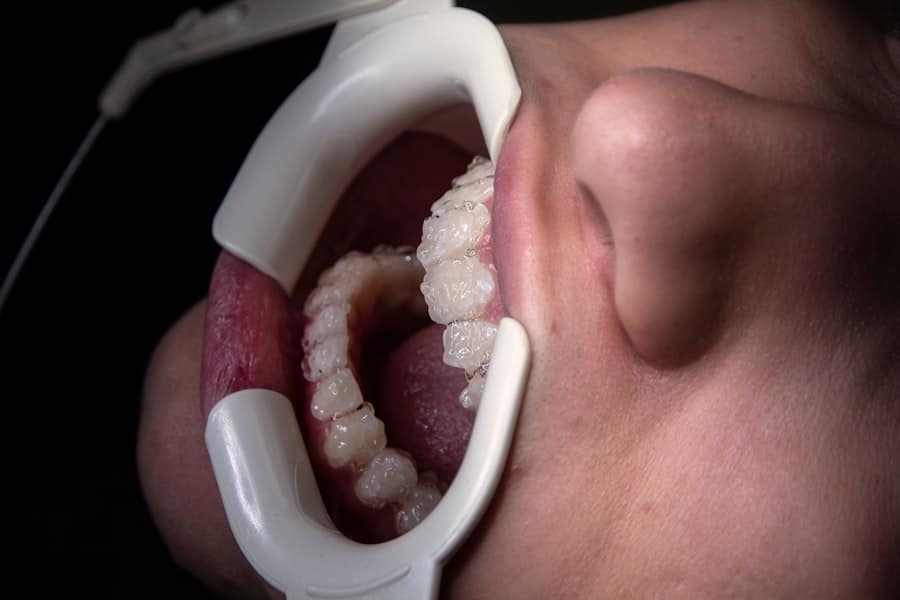
Understanding the steps involved in securing financing will streamline the process and reduce potential anxieties.
Step 1: Consultation and Treatment Plan
The initial step involves a thorough consultation with your chosen dental professional in Tucker Hill. During this appointment, you will discuss your needs, undergo an examination, and potentially have X-rays or 3D scans taken.
Determining the Scope of Work
- Diagnostic Tools: The dentist will utilize diagnostic tools to assess the condition of your jawbone, surrounding teeth, and overall oral health.
- Personalized Treatment Plan: Based on these assessments, a detailed treatment plan will be created, outlining the number of implants needed, any preparatory procedures, and the type of prosthetic teeth to be used.
- Written Estimate: You will receive a comprehensive written estimate of the total cost of the planned treatment. This document is crucial for all subsequent financing discussions.
Step 2: Exploring Your Financing Options
With your treatment plan and cost estimate in hand, you can begin to explore the various financing avenues discussed previously.
Gathering Information
- Dental Insurance Review: Contact your insurance provider to understand your coverage details.
- Financing Company Research: Investigate reputable dental financing companies and compare their interest rates and repayment terms.
- FSA/HSA Assessment: Determine the available balance in your FSA or HSA.
Step 3: Application and Approval
Once you have identified your preferred financing method, you will proceed with the application process.
Documentation and Verification
- Application Forms: Complete all necessary application forms accurately and thoroughly.
- Credit Checks: Be prepared for a credit check, especially when applying for third-party financing.
- Supporting Documents: You may be asked to provide supporting documents, such as proof of income or identification.
Step 4: Funding the Procedure
Upon approval of your financing, the funds will be disbursed according to the agreed-upon terms.
Disbursement Methods
- Direct to Practice: Funds may be sent directly to your dental practice.
- To Your Account: In some cases, funds may be deposited into your personal bank account, from which you will then pay your dentist.
Choosing the Right Dental Professional in Tucker Hill, McKinney
The selection of your dental professional is a cornerstone of a successful dental implant experience, both clinically and financially.
Experience and Specialization
Look for dentists who have extensive experience in placing and restoring dental implants. Many dentists pursue advanced training and certifications in implant dentistry.
Board Certification and Fellowships
- Reputable Credentials: Inquire about the dentist’s credentials, such as board certification or fellowships in implant dentistry. These signify a commitment to advanced training and expertise.
- Continuing Education: A commitment to ongoing education indicates that the dentist stays abreast of the latest advancements in implant technology and techniques.
Technology and Materials
Modern dental practices often invest in advanced technology that can improve the precision and efficiency of implant placement.
State-of-the-Art Equipment
- 3D Imaging (CBCT): Cone-beam computed tomography (CBCT) scanners provide detailed 3D images of your jawbone, allowing for precise planning and implant positioning.
- Digital Impression Systems: These systems create precise digital models of your teeth and gums for custom crown fabrication.
- Quality Materials: Discuss the types of implant materials and prosthetic components the practice uses. Reputable practices will use high-quality, biocompatible materials from trusted manufacturers.
Patient Reviews and Testimonials
Gauging the experiences of past patients can offer valuable insights into the quality of care and the patient support provided by a dental practice.
Online Reviews and Referrals
- Online Platforms: Search for reviews on platforms like Google, Yelp, or specialized dental review sites.
- Word-of-Mouth: Ask friends, family, or colleagues in the McKinney area if they have recommendations for implant dentists.
If you’re considering dental implant financing in Tucker Hill, McKinney, Texas, you might find it helpful to explore various options available to make the process more affordable. A related article discusses the costs associated with dental implants in different locations, including insights that could be beneficial for your decision-making. You can read more about it in this informative piece on dental implant costs. Understanding these factors can help you navigate your financing options more effectively.
Frequently Asked Questions About Dental Implants and Financing
| Financing Option | Interest Rate | Repayment Term | Down Payment | Monthly Payment Estimate | Eligibility Requirements |
|---|---|---|---|---|---|
| In-House Financing | 0% – 5% | 6 – 24 months | 10% – 20% | Varies by treatment cost | Credit check, proof of income |
| CareCredit | 0% for 12 months, then 14.9% – 26.99% | 6 – 60 months | None | Depends on total financed amount | Good credit score recommended |
| Third-Party Lenders | 5% – 18% | 12 – 48 months | Varies | Based on loan amount and term | Credit approval required |
| Personal Loan | 7% – 25% | 12 – 60 months | None | Depends on loan amount and credit | Credit and income verification |
Addressing common queries can provide clarity and alleviate potential concerns.
How long does the dental implant process take?
The entire process, from initial placement to the final restoration, can take several months. This is primarily due to the osseointegration period, where the implant fuses with the jawbone, which typically takes 3-6 months.
Key Stages and Timelines
- Implant Placement: The surgical procedure to place the implant fixture.
- Osseointegration: The crucial period of bone healing and fusion.
- Abutment Placement: Attaching the connector piece.
- Crown Fabrication and Placement: Creating and fitting the artificial tooth.
Are dental implants painful?
While surgery is involved, most patients experience minimal discomfort. Local anesthesia is used during the procedure, and post-operative pain is typically managed with over-the-counter or prescription pain medication. Many patients report less discomfort than they anticipated.
What are the success rates of dental implants?
Dental implants have a very high success rate, often exceeding 95%, especially when placed by experienced professionals and with proper patient care. Factors influencing success include oral hygiene, overall health, and the skill of the dental surgeon.
Can my insurance cover dental implants?
As mentioned, coverage varies significantly by insurance plan. It’s essential to verify your benefits with your insurance provider. Some plans may cover a portion of the implant itself but not the associated prosthetic or preparatory procedures.
What if I have pre-existing dental issues?
If you have pre-existing dental issues like gum disease or significant bone loss, your dentist will address these before proceeding with implant placement. This might involve additional treatments like scaling and root planing or bone grafting.
Securing the financing for your dental implants in Tucker Hill, McKinney, Texas, is a multi-faceted process that, when approached systematically, becomes manageable. By understanding the costs, exploring the various financing avenues, and choosing a qualified dental professional, you are well-equipped to make an informed decision and embark on the path to restoring your smile and enhancing your quality of life. Remember, this is an investment in your health and confidence that can yield lifelong dividends.
FAQs
What is dental implant financing?
Dental implant financing refers to payment plans or loan options that help patients afford the cost of dental implants by spreading out the expense over time, making the procedure more accessible.
Are dental implant financing options available in Tucker Hill, McKinney, Texas?
Yes, many dental offices in Tucker Hill, McKinney, Texas, offer financing options or work with third-party lenders to provide affordable payment plans for dental implant procedures.
What factors affect the cost of dental implants in McKinney, Texas?
The cost can vary based on the number of implants needed, the complexity of the procedure, the type of implant used, and any additional treatments such as bone grafts or extractions.
How can I apply for dental implant financing in Tucker Hill?
Typically, you can apply through your dental provider who will guide you through the application process, which may include a credit check and providing financial information to determine eligibility.
Are there any interest-free dental implant financing plans available?
Some dental offices and financing companies offer interest-free plans for a set period, often ranging from 6 to 24 months, allowing patients to pay off their dental implant costs without additional interest charges.