
Here’s an article about dental implant surgery at Adriatica Village, McKinney, written in the second person, factual in style, and addressing you directly.
You’ve reached a point where you’re considering restoring your smile, perhaps due to missing teeth or failing dental work. The prospect of dental implant surgery can feel like navigating a complex map, but understanding your options and the expertise available in your local area can illuminate the path. Adriatica Village in McKinney, Texas, presents a community with access to advanced dental care, including the intricate procedure of dental implant surgery. This article aims to function as your compass, guiding you through what dental implant surgery entails and how it might be accessed at facilities within or near Adriatica Village.
Before you delve into the specifics of a particular location, it’s crucial to comprehend the fundamental nature of dental implants. Think of a dental implant not as a mere replacement tooth, but as a sophisticated reconstruction of the tooth’s root system and a supportive structure for a new crown. This surgical marvel is designed to integrate with your jawbone, providing a stable and permanent base for a prosthetic tooth.
The Anatomy of an Implant
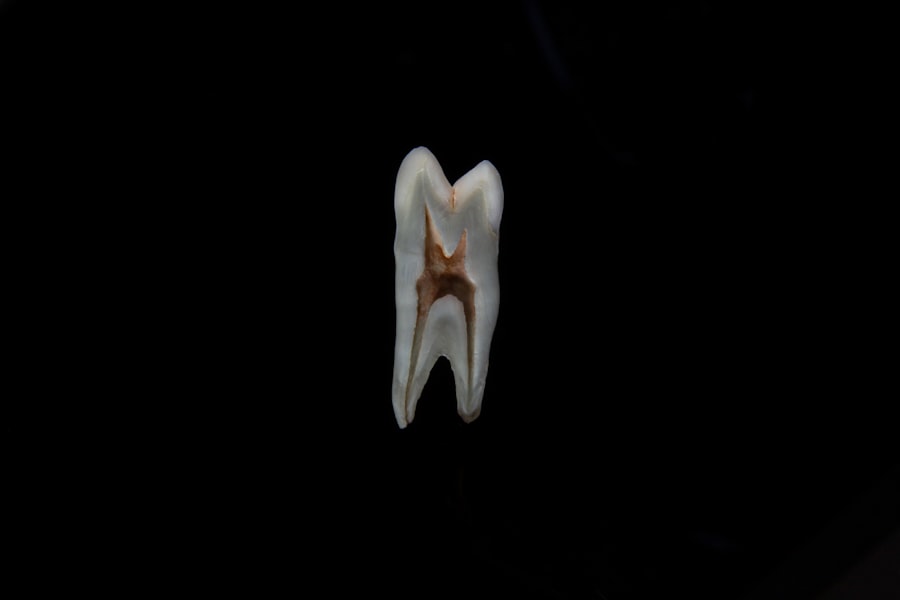
The typical dental implant is a small, screw-like post, usually made of titanium. Titanium is chosen for its biocompatibility, meaning your body is unlikely to reject it, and its ability to fuse with bone through a process called osseointegration. This fusion is the bedrock upon which your new tooth will rest.
The Titanium Post: The Anchor
This is the cornerstone of the implant. Surgically placed into the jawbone, it acts as an artificial tooth root. Its success hinges on the strength and health of your jawbone, which serves as the fertile ground for this metallic seed.
The Abutment: The Connector
Once osseointegration is complete, a small connector piece, known as an abutment, is attached to the implant. This acts as a bridge, linking the implant embedded in your bone to the visible prosthetic tooth.
The Crown: The Visible Smile
The crown is the custom-made tooth that you see when you smile. It’s designed to match the color, shape, and size of your natural teeth, completing the restoration and restoring your chewing function and aesthetic appeal.
The Purpose of Dental Implants
Dental implants are not solely cosmetic. They serve a vital functional purpose, offering a superior solution for tooth loss compared to traditional bridges or dentures in many cases. They prevent bone loss that naturally occurs when a tooth is missing, safeguarding the structure of your face and the integrity of your remaining teeth.
Restoring Functionality: More Than Just Aesthetics
The ability to chew, speak clearly, and laugh without self-consciousness are all integral to your quality of life. Dental implants aim to restore these fundamental functions with a high degree of reliability.
Preventing Jawbone Resorption: A Long-Term Investment
When a tooth root is absent, the jawbone in that area gradually deteriorates, a process known as resorption. This can lead to a sunken appearance in the face and affect the stability of adjacent teeth. Implants stimulate the jawbone, much like natural teeth do, thereby preventing this degradation.
If you’re considering dental implant surgery in Adriatica Village, McKinney, it’s essential to understand the costs associated with the procedure. For a comprehensive overview of dental implant pricing, you can refer to a related article that discusses the costs for dental implants in Littleton, Colorado. This resource provides valuable insights that can help you make informed decisions about your dental care. To learn more, visit here.
The Surgical Journey: Navigating the Procedure
Dental implant surgery is a precise procedure that requires skilled hands and a well-informed patient. While the thought of surgery can be daunting, understanding the steps involved can demystify the process and empower you to make informed decisions.
The Initial Consultation: Laying the Groundwork
Your journey towards dental implants begins with a thorough consultation with a dental professional. This is your opportunity to ask questions, voice concerns, and understand if you are a suitable candidate for the procedure.
Comprehensive Dental Examination: The Blueprint
During this visit, you’ll undergo a meticulous examination of your oral health. This includes X-rays, and possibly CT scans, to assess the condition of your jawbone, sinuses, and nerves. This examination is akin to an architect surveying the land before drawing up plans.
Medical History Review: Identifying Potential Roadblocks
Your overall medical history is crucial. Certain conditions, such as uncontrolled diabetes or a history of radiation therapy to the head and neck, can impact healing and osseointegration. Your dentist will review this to ensure the procedure’s safety and success.
Discussing Treatment Options: Tailoring the Plan
Based on your examination and medical history, your dentist will discuss the most appropriate treatment plan for you. This might involve a single implant, multiple implants, or even full-arch restorations.
The Surgical Placement of the Implant: The Core Procedure
This is the critical step where the titanium post is surgically embedded into your jawbone. The procedure is typically performed under local anesthesia, and in some cases, sedation can be utilized to enhance your comfort.
Anesthesia and Incision: Preparing the Site
The surgical area will be numbed with local anesthetic. A small incision is then made in the gum tissue to expose the jawbone.
Drilling and Implant Insertion: The Precision Task
Once the bone is exposed, your dentist will use specialized instruments to create a precise socket for the implant. The titanium implant is then carefully screwed or tapped into this socket.
Closure and Healing: The Waiting Game
After the implant is securely placed, the gum tissue is closed with sutures. You will then enter a healing period, during which osseointegration takes place.
The Healing Phase: Osseoingretation in Action
This phase is critical for the long-term success of your dental implant. During this time, your jawbone grows around and fuses with the titanium implant, creating a remarkably strong and stable foundation.
The Role of Osseointegration: A Biological Bond
This is where the magic of biocompatibility truly shines. The titanium surface of the implant encourages bone cells to migrate and adhere to it, gradually integrating the implant as if it were a natural part of your bone.
Duration of Healing: Varies by Individual
The healing period can vary, typically ranging from a few months to several months. Your dentist will monitor your progress throughout this time.
Attaching the Abutment and Crown: The Final Touches
Once osseointegration is confirmed, the next steps involve attaching the abutment and then the custom-made crown.
Abutment Placement: Connecting the Pieces
A small opening is made in the gum tissue over the implant, and the abutment is attached. This component will protrude slightly from the gumline, ready to support the crown.
Crown Fabrication and Placement: The Smile Restored
A dental laboratory custom-crafts your crown based on impressions taken from your mouth. Once complete, it is securely attached to the abutment, completing your restored smile.
Considerations for Adriatica Village, McKinney
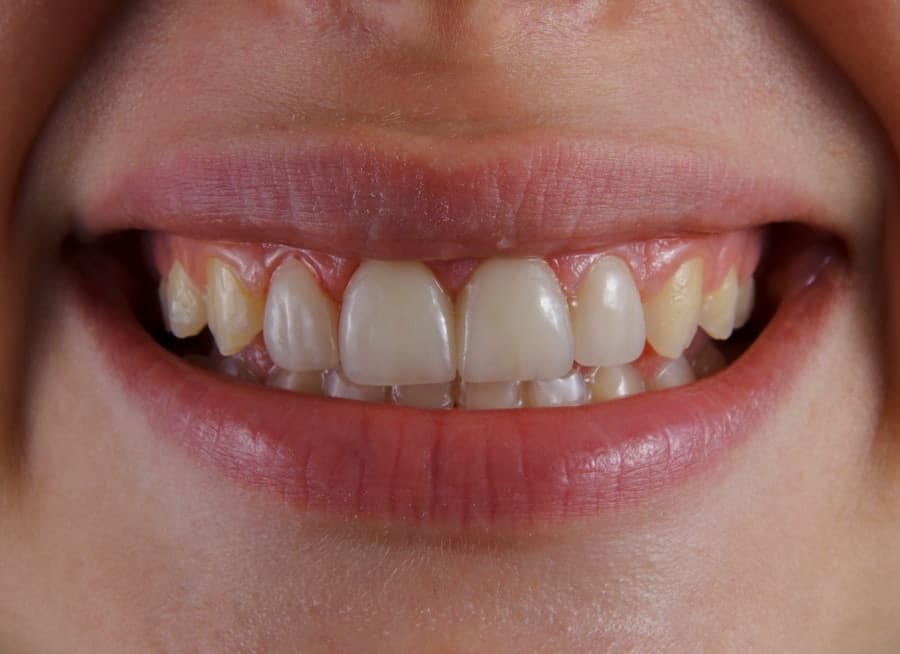
While Adriatica Village itself is a picturesque self-contained community, access to specialized dental implant surgery will likely involve seeking out qualified dentists within or in close proximity to the area. The quality of care you receive is paramount, and this involves identifying practitioners with the necessary expertise and technology.
Locating Qualified Dental Professionals: Your Search Strategy
Finding a dentist experienced in implantology is the first step. This search should extend beyond just geographic convenience to encompass a dentist’s credentials, training, and patient reviews.
Researching Dentists and Practices: Due Diligence
You’ll want to look for dentists who specifically list dental implant surgery as a core service. Websites, professional directories, and even asking for recommendations can be valuable tools.
Checking Credentials and Experience: Verifying Expertise
Look for dentists who have undergone advanced training in implant dentistry, such as fellowships or specialized courses. The number of implants they have placed and their success rates can also be informative.
The Role of Technology in Modern Implantology: State-of-the-Art Care
Modern dental practices leverage advanced technology to enhance precision, predictability, and patient comfort during implant surgery. You should inquire about the technologies employed by any practice you consider.
Digital Imaging and Planning: Precision from the Outset
3D imaging technologies, like cone-beam computed tomography (CBCT), allow dentists to create detailed 3D models of your jawbone. This enables highly precise pre-surgical planning, identifying optimal implant placement and avoiding critical anatomical structures.
Minimally Invasive Techniques: Reducing Discomfort
Advanced techniques, including flapless implant surgery, aim to minimize the extent of the surgical incision, potentially leading to faster healing and less post-operative discomfort.
Patient Testimonials and Reviews: Insights from Others
While not a substitute for professional consultation, reading patient reviews and testimonials can offer valuable insights into the patient experience at a particular practice.
Navigating Online Reviews: A Balanced Perspective
Look for recurring themes in reviews, both positive and negative. Consider the source and try to form a balanced opinion.
Asking for Referrals: Trusted Sources
If you know anyone who has undergone dental implant surgery, their personal recommendations can be a reliable source of information.
The Benefits of Dental Implants: A Lasting Solution
The investment in dental implant surgery, both in terms of time and resources, can yield significant long-term benefits, restoring not only your smile but also your overall well-being.
Restored Chewing Efficiency: Enjoying Your Favorite Foods Again
Missing teeth can significantly impair your ability to chew your food effectively, impacting digestion and limiting your dietary choices. Implants restore robust chewing power, allowing you to savor a wider range of foods.
From Soft Foods to Steak: Regaining Dietary Freedom
You can look forward to enjoying crunchy apples, juicy steaks, and other foods you may have avoided. This restoration of function directly impacts your nutritional intake and enjoyment of meals.
Enhanced Aesthetics: A Natural-Looking Smile
Dental implants, when combined with high-quality crowns, are virtually indistinguishable from your natural teeth. This can significantly boost your confidence and improve your self-esteem.
Smiling with Confidence: The Psychological Impact
A complete and natural-looking smile can profoundly affect your social interactions and how you perceive yourself. The ability to smile freely without worry is a powerful benefit.
Durability and Longevity: A Long-Term Investment
With proper care and maintenance, dental implants are designed to last a lifetime. This makes them a cost-effective solution in the long run compared to treatments that may require frequent replacement.
A Permanent Solution: Reduced Need for Future Work
Unlike dentures that may need relining or bridges that can eventually fail, implants provide a stable and permanent foundation for your prosthetic teeth.
Improved Oral Health: Protecting Your Investment
Dental implants do not require altering adjacent teeth, as is often the case with traditional bridges. This helps preserve the health of your natural dentition.
Preserving Neighboring Teeth: A Key Advantage
By not needing to prepare the teeth next to a missing tooth, you avoid unnecessary drilling and potential future complications for those teeth.
If you’re considering dental implant surgery in Adriatica Village, McKinney, you might find it helpful to explore related information on the costs and benefits of dental implants. A comprehensive resource can be found in an article discussing the best dental implants in Chicago, which provides insights into various options and pricing. For more details, you can read the article here. This information can help you make a more informed decision about your dental health and the potential investment involved.
The Patient’s Role: Commitment to Post-Operative Care
| Metric | Details |
|---|---|
| Location | Adriatica Village, McKinney, TX |
| Procedure Type | Dental Implant Surgery |
| Average Surgery Duration | 1 to 2 hours per implant |
| Success Rate | Approximately 95% – 98% |
| Recovery Time | 1 to 2 weeks for initial healing |
| Follow-up Visits | 3 to 4 visits over 3 to 6 months |
| Implant Material | Titanium or Zirconia |
| Patient Satisfaction Rate | Over 90% |
| Consultation Availability | By appointment, weekdays and some weekends |
The success of your dental implant surgery extends beyond the operating room. Your commitment to diligent post-operative care is the fertile ground upon which the longevity of your implants thrives.
Oral Hygiene Practices: The Daily Ritual
Maintaining excellent oral hygiene is paramount for the health of your implants and surrounding tissues. This includes regular brushing and flossing.
Brushing Twice Daily: The Foundation of Cleanliness
Just as with your natural teeth, brushing your implants and surrounding gums twice a day with a soft-bristled toothbrush is essential.
Flossing Daily: Reaching the Nooks and Crannies
Flossing around your implant abutment and crown is critical to remove plaque and food particles that can contribute to inflammation and infection. Specialized interdental brushes may also be recommended.
Regular Dental Check-ups: The Professional Oversight
Scheduled visits to your dentist are not optional; they are an essential component of ensuring the long-term success of your implants.
Professional Cleanings: Removing the Unseen
Your dental hygienist will perform thorough cleanings, often using specialized instruments, to remove any plaque or tartar that you may have missed.
Implant Health Monitoring: Proactive Assessment
During your check-ups, your dentist will examine the implant itself, the surrounding bone, and the gum tissue for any signs of infection or complications. Early detection is key to addressing potential issues before they become significant.
Lifestyle Factors: Supporting Your Implants
Certain lifestyle choices can directly influence the health and longevity of your dental implants.
Smoking Cessation: A Crucial Step
Smoking is a significant risk factor for peri-implantitis, an inflammation of the tissues surrounding the implant, which can lead to bone loss and implant failure. Quitting smoking dramatically improves your prognosis.
Balanced Diet: Nourishment from Within
A healthy, balanced diet provides the necessary nutrients for maintaining good oral health and supporting the body’s ability to heal and maintain the implant. Sugary or acidic foods and beverages should be consumed in moderation.
By understanding the process, identifying qualified practitioners in the vicinity of Adriatica Village, and committing to diligent post-operative care, you can confidently embark on the journey towards restoring your smile with dental implant surgery. This procedure offers a robust and aesthetically pleasing solution to tooth loss, empowering you to reclaim your confidence and enjoy a higher quality of life.
FAQs
What is dental implant surgery?
Dental implant surgery is a procedure that involves placing a titanium post into the jawbone to serve as a replacement root for a missing tooth. This post supports a dental crown, bridge, or denture, restoring function and appearance.
Who is a good candidate for dental implant surgery at Adriatica Village Mckinney?
Good candidates are individuals with healthy gums and sufficient jawbone density to support the implant. A thorough evaluation by a dental professional at Adriatica Village Mckinney will determine suitability based on oral health and medical history.
What is the typical recovery time after dental implant surgery?
Recovery time varies but generally takes a few days to a week for initial healing. Full osseointegration, where the implant fuses with the jawbone, can take several months. Patients are advised to follow post-operative care instructions for optimal healing.
Are dental implants at Adriatica Village Mckinney painful?
The surgery is usually performed under local anesthesia, so patients typically experience minimal pain during the procedure. Some discomfort or swelling may occur afterward, which can be managed with prescribed pain medications and proper care.
How long do dental implants last?
With proper care and maintenance, dental implants can last 15 years or longer, often a lifetime. Regular dental check-ups and good oral hygiene are essential to ensure the longevity of the implants.