
You’re standing at the precipice of a significant decision concerning your oral health and, by extension, your overall well-being. The phrase “Implant Dentist Auburn Hills McKinney Estimate” likely landed on your screen because you’re exploring options for tooth replacement, a choice that can profoundly impact your ability to eat, speak, and smile with confidence. This article aims to be your compass, guiding you through the labyrinth of information surrounding dental implants and the estimation process, specifically within the Auburn Hills and McKinney regions, assuming a focus on the clinical expertise often associated with practices bearing such a name. We will dissect the procedure, the factors influencing cost, and what you can expect when seeking an estimate from a qualified professional.
Before delving into the specifics of cost and location, it’s crucial to grasp the fundamental nature of dental implants. They are not mere cosmetic adornments; they are a biological and mechanical bridge, an engineered solution to the loss of natural teeth. Imagine a lost tooth as a missing keystone in an arch. Without it, the entire structure can weaken and shift. Dental implants provide a robust replacement, not just for the visible tooth, but for its crucial anchor – the root.
The Three Pillars of an Implant Restoration
A dental implant, in its entirety, is typically composed of three primary components, each playing a vital role in its success and longevity.
The Implant Fixture: The Root Replacement
This is the cornerstone, the titanium screw that is surgically placed into your jawbone. Think of it as the seed that is planted, ready to fuse with the bone over time. Titanium is chosen for its biocompatibility, meaning your body readily accepts it and promotes osseointegration, the process where bone grows directly onto the implant surface. This fusion creates a stable, natural-feeling base, much like how a strong foundation anchors a building.
Material Science and Biocompatibility
The choice of material for the implant fixture is paramount. Titanium’s metallic properties, coupled with its oxide layer, make it an ideal candidate for osseointegration. Other materials, such as zirconia, are also gaining traction due to their aesthetic properties and for patients with metal sensitivities, though titanium remains the gold standard for its proven long-term success rates.
Surgical Placement Techniques
The placement of the implant fixture is a surgical procedure. Techniques vary depending on the location of the missing tooth, the density of your jawbone, and the overall health of your oral structures. Your dentist will utilize imagery, such as X-rays and 3D scans, to meticulously plan the exact angle and depth of placement, minimizing trauma and maximizing the chances of successful integration. This precision is akin to an architect creating a detailed blueprint before construction begins.
The Abutment: The Connector
Once the implant fixture has integrated with the bone (a process that can take several months), an abutment is attached. This is a small connector piece that emerges from the gum line and serves as the link between the implant fixture and the final crown. It’s the vital intermediary, ensuring a seamless transition from the internal anchorage to the external prosthetic.
Types of Abutments
Abutments can be fabricated from various materials, including titanium, zirconia, or gold. The choice often depends on aesthetic considerations (especially for front teeth) and the desired strength. Some abutments are stock components, while others are custom-milled to perfectly fit the individual anatomy of your mouth.
Transitioning from Fixture to Crown
The abutment acts as a bridge, both physically and functionally, preparing the implant for the attachment of the crown. This process is carefully managed to ensure optimal gum health and a natural contour around the new tooth.
The Crown: The Visible Tooth
This is the part you see and use – the artificial tooth that is permanently attached to the abutment. It’s fabricated to match the color, shape, and size of your natural teeth, making it virtually indistinguishable. This is the crowning glory, the visible testament to the successful restoration.
Material Choices for Crowns
Crowns are typically made from porcelain, ceramic, or a combination of porcelain fused to metal. Porcelain and ceramic offer excellent aesthetics, closely mimicking the translucency and luster of natural enamel. The material selection will be based on factors such as the location of the tooth, your bite force, and your aesthetic preferences.
Customization and Aesthetics
The fabrication of the crown is a highly personalized process. Your dentist will take impressions or digital scans to ensure the crown fits perfectly and blends harmoniously with your existing smile. This meticulous attention to detail is what transforms a functional replacement into an aesthetically pleasing one, restoring not just chewing ability but also your smile’s natural beauty.
Indications for Dental Implants
Dental implants are not a one-size-fits-all solution, but they are indicated for a wide range of tooth loss scenarios.
Single Tooth Replacement
When you’ve lost a single tooth, implants offer a superior alternative to traditional bridges, which often require grinding down adjacent healthy teeth. The implant acts as an independent unit, preserving the integrity of your surrounding dentition.
Multiple Tooth Replacement
For those missing several teeth, implants can support a bridge, eliminating the need for partial dentures or multiple individual implants. This can offer a more stable and comfortable experience.
Full Arch Rehabilitation
In cases of complete tooth loss, dental implants can support a full set of implant-supported dentures or bridges, providing a fixed and secure solution that significantly improves chewing efficiency and speech clarity. This is often referred to as “teeth in a day” in certain contexts, though the full osseointegration process still takes time.
Contraindications and Considerations
While implants are highly successful, they are not suitable for everyone. Certain medical conditions, smoking, and poor oral hygiene can increase the risk of implant failure.
Systemic Health Factors
Conditions such as uncontrolled diabetes, certain autoimmune diseases, and a history of radiation therapy to the head and neck can impact osseointegration and overall healing. Your dentist will thoroughly review your medical history to assess any potential risks.
Oral Hygiene and Lifestyle Choices
Excellent oral hygiene is non-negotiable for implant success. Smoking significantly impairs healing and increases the risk of peri-implantitis, an inflammation of the tissues around the implant. Your dentist will likely advise on smoking cessation if applicable.
If you’re considering dental implants in Auburn Hills, it’s essential to understand the costs involved. For a comprehensive breakdown of dental implant expenses, you can refer to a related article that discusses the costs for dental implants in Edinburg, Texas. This resource provides valuable insights that can help you estimate your potential expenses. You can read more about it here: Costs for Dental Implants in Edinburg, Texas.
Navigating the Estimate: What Drives the Cost?
The phrase “Implant Dentist Auburn Hills McKinney Estimate” brings you to the crucial question of cost. It’s essential to understand that a dental implant procedure is not a commodity with a fixed price tag. It’s a personalized treatment plan, and the estimate you receive is a reflection of numerous variables. Think of it as a custom-tailored suit – the fabric, the complexity of the design, and the tailor’s expertise all contribute to the final price.
The Surgical Phase: The Foundation’s Price Tag
The initial phase of implantology involves the surgical placement of the implant fixture. This is a complex procedure requiring specialized skills and equipment.
Dentist’s Experience and Specialization
The expertise of the dental professional performing the surgery is a significant factor. A periodontist or an oral surgeon with extensive experience in implantology may command higher fees due to their specialized training and track record.
Board Certification and Advanced Training
Look for dentists who are board-certified in their specialty and have completed advanced training programs in implant dentistry. This signifies a commitment to staying at the forefront of the field.
Years of Practice and Case Volume
While not the sole determinant of quality, years of practice and a high volume of successful implant cases can indicate a professional’s proficiency and familiarity with various scenarios.
Anesthesia and Sedation Options
The type of anesthesia or sedation used during the procedure will also influence the overall cost. Local anesthesia is standard, but many patients opt for conscious sedation or even general anesthesia for increased comfort, which incurs additional charges.
Local Anesthesia
This numbs the surgical site, allowing the procedure to be performed without pain. It is generally the most cost-effective option.
Sedation Dentistry
Options like nitrous oxide (laughing gas) or oral sedatives can help anxious patients relax. Deeper sedation, such as IV sedation, offers a more profound state of relaxation but comes at a higher cost.
Imaging and Diagnostic Tools
Accurate diagnosis is the bedrock of successful treatment. Advanced imaging technologies play a vital role in pre-surgical planning.
Cone-Beam Computed Tomography (CBCT) Scans
These 3D scans provide detailed visualizations of your jawbone, nerves, and sinuses, allowing for precise implant placement. The cost of CBCT scans is often included in the initial consultation or surgical estimate.
Intraoral Scanners
Digital impressions taken with intraoral scanners are more comfortable and accurate than traditional molds, contributing to the precision of the prosthetic phase.
The Restorative Phase: The Visible Transformation
Once the implant has integrated, the focus shifts to crafting and attaching the visible tooth. This phase involves the abutment and the crown.
Custom vs. Stock Abutments
As mentioned earlier, custom-milled abutments are designed specifically for your anatomy, offering a more precise fit and superior aesthetics, but they are generally more expensive than stock abutments.
Material and Design Complexity
The material of the abutment (e.g., zirconia vs. titanium) and the complexity of its design will influence its cost. For aesthetic restorations, especially in the front of the mouth, custom zirconia abutments are often preferred.
Crown Fabrication and Material
The most visible and therefore often the most aesthetically sensitive part of the implant, the crown, has a significant impact on the overall cost.
Porcelain Fused to Metal (PFM) Crowns
These are a more traditional option, offering good durability. However, the metal substructure can sometimes be visible as a dark line at the gum line, especially with gum recession.
All-Ceramic Crowns (e.g., Zirconia, Emax)
These offer superior aesthetics, mimicking the translucency and natural appearance of tooth enamel. Zirconia, in particular, is known for its strength and biocompatibility. These premium materials generally come with a higher price tag.
CAD/CAM Technology
Many modern practices utilize Computer-Aided Design/Computer-Aided Manufacturing (CAD/CAM) technology to create highly precise and aesthetically pleasing crowns. The investment in this technology by the dental lab also factors into the cost.
Laboratory Fees and Materials
The dental laboratory plays a crucial role in fabricating the prosthetic components. Their fees and the quality of materials they use will be reflected in your estimate.
Dental Lab Expertise and Quality Control
Reputable dental labs employ skilled technicians who meticulously craft implant components. The lab’s commitment to quality control and the use of high-grade materials contribute to the longevity and aesthetic success of your implants.
Material Sourcing and Brand Reputation
The brands of dental implants and prosthetic components used can also influence the cost. Established brands with a proven track record of success often have higher material costs.
Additional Procedures and Potential Complications
Sometimes, the initial assessment reveals the need for additional procedures before or during the implant process, which will affect the overall estimate.
Bone Grafting
If your jawbone is not sufficiently dense or voluminous to support an implant, bone grafting may be necessary. This procedure involves augmenting the bone with bone substitute material or your own bone.
Types of Bone Grafts
Different types of bone grafting materials exist, including autografts (from your own body), allografts (from a human donor), and xenografts (from animal sources). Each has varying costs and healing times.
Sinus Lifts
In cases where implants are to be placed in the upper jaw, and the sinus cavity is too close to the planned implant site, a sinus lift procedure may be required to create space for bone augmentation.
Tooth Extraction
If the tooth requiring replacement is still present and unhealthy, it will need to be extracted before implant placement. The cost of extraction will be an additional consideration.
Simple vs. Surgical Extractions
The complexity of the extraction will influence its cost. A simple extraction can be relatively inexpensive, while a surgical extraction, which may involve cutting the gum or bone, will be more costly.
Immediate Implant Placement
In some selected cases, it’s possible to place an implant immediately after tooth extraction. This can streamline the treatment process but may involve specific protocols and costs.
Gum Grafting
Gum recession can sometimes be addressed with gum grafting procedures, which can enhance the aesthetic outcome of the implant restoration.
The Consultation and Estimate Process: Detailing Your Expectations
The journey to obtaining an accurate “Implant Dentist Auburn Hills McKinney Estimate” begins with a thorough consultation. This is not just a brief chat; it’s a detailed clinical assessment designed to formulate a personalized treatment plan and, consequently, an accurate financial estimate.
Initial Examination and Medical History Review
Your first meeting will involve a comprehensive oral examination, including an assessment of your existing teeth, gums, and jawbone. Your medical history will be meticulously reviewed to identify any factors that might influence the procedure or healing process.
Patient Interviews and Chief Complaint
Understanding your immediate concerns and goals is paramount. Your dentist will listen attentively to your chief complaint regarding missing teeth and your desires for restoration.
Clinical Assessment of Oral Health
This involves checking for signs of gum disease, decay, and evaluating the overall stability of your remaining teeth and bite.
Diagnostic Imaging and Assessment
As detailed previously, advanced imaging is critical for proper planning.
Radiographic Interpretation
X-rays (panoramic and periapical) and 3D scans (CBCT) allow the dentist to visualize the underlying bone structure, nerve pathways, and sinus cavities.
Periodontal Evaluation
Assessing the health of your gum tissues is crucial, as healthy gums are essential for implant success.
Treatment Planning and Presentation
Based on the examination and diagnostic findings, your dentist will present a personalized treatment plan. This plan will outline the proposed procedure, the number of implants required, the type of prosthetics, and the estimated timeline.
Discussion of Treatment Options
Your dentist will explain all viable treatment options, including the pros and cons of each, allowing you to make an informed decision. For example, they might discuss the difference between a traditional bridge and an implant-supported crown.
Step-by-Step Procedure Breakdown
You should expect a clear explanation of each stage of the implant process, from the initial surgery to the final restoration. This clarity demystifies the experience.
The Financial Estimate: Transparency in Numbers
The estimate you receive should be comprehensive and transparent. It should detail the costs associated with each component of the treatment.
Itemized Breakdown of Services
The estimate should clearly list the costs for the implant fixture, abutment, crown, surgical fees, anesthesia, laboratory fees, and any necessary additional procedures like bone grafting. This is your financial roadmap.
Explanation of Payment Options and Financing
Reputable practices will offer a variety of payment options, including payment plans, financing through dental lenders, and accepting major insurance providers. Understanding these options can significantly ease the financial burden.
Insurance Verification and Pre-Authorization
Many dental insurance plans offer some coverage for dental implants, although it varies widely. Your dentist’s office should assist you in verifying your coverage and obtaining pre-authorization for treatment.
Beyond the Number: Factors Influencing Long-Term Implant Success
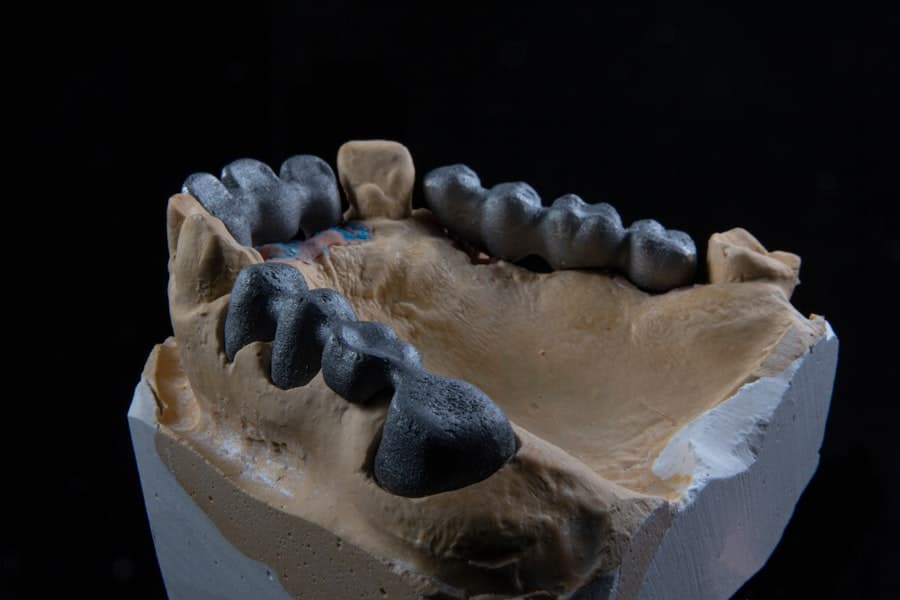
While the estimate is a critical piece of the puzzle, your focus should extend beyond the initial financial outlay. The long-term success and value of your dental implants are a testament to ongoing care and responsible patient engagement. Think of it as tending to a prized garden – consistent nurturing yields lasting beauty and bountiful results.
The Crucial Role of Oral Hygiene
Maintaining impeccable oral hygiene is not optional; it’s a cornerstone of implant longevity. Neglecting this aspect is akin to ignoring a crack in a dam – seemingly minor at first, it can lead to catastrophic failure.
Daily Brushing and Flossing Techniques
Proper brushing and flossing around implants are essential to prevent plaque buildup and inflammation. Your dentist or hygienist will demonstrate specific techniques tailored to implant care.
Utilizing Interdental Brushes and Floss Threaders
Standard flossing might be challenging around an implant. Specialized tools like interdental brushes and floss threaders are designed to navigate these areas effectively.
Regular Professional Cleanings
Professional cleanings are indispensable for removing hardened plaque and tartar that you cannot remove at home. These appointments allow your dental team to monitor the implant’s health and catch potential issues early.
Frequency of Professional Cleanings
The recommended frequency for implant cleanings may be more frequent than for natural teeth, typically every three to six months, depending on your individual risk factors.
The Impact of Lifestyle Choices
Your daily habits can significantly influence the success and lifespan of your dental implants.
Smoking Cessation and its Benefits
Smoking is a major detriment to osseointegration and can increase the risk of peri-implantitis. Quitting smoking is one of the most impactful steps you can take for implant success.
Reduced Risk of Complications
Studies consistently show that non-smokers have significantly higher success rates with dental implants compared to smokers.
Dietary Considerations
While implants are durable, certain dietary habits can exert undue stress.
Avoiding Hard and Sticky Foods
Consuming extremely hard or sticky foods can put excessive force on the implant and crown, potentially leading to damage.
The Benefits of a Balanced Diet
A balanced diet rich in vitamins and minerals supports overall oral health and aids in tissue healing.
Regular Dental Check-ups and Maintenance
Routine follow-up appointments are not an optional extra; they are an integral part of responsible implant ownership.
Dentist’s Role in Monitoring Implant Health
Your dentist will regularly check the implant for stability, gum health, and signs of wear or damage. This proactive approach can prevent minor issues from escalating into major problems.
Early Detection of Peri-implantitis
Peri-implantitis, if left untreated, can lead to bone loss and ultimately implant failure. Regular check-ups allow for early detection and intervention.
Addressing Issues Promptly
If you notice any changes, such as increased sensitivity, loosening of the crown, or gum swelling, it’s imperative to schedule an appointment with your dentist immediately. Prompt intervention is often the key to a successful resolution.
Choosing Your Implant Dentist in Auburn Hills and McKinney: Beyond the Estimate
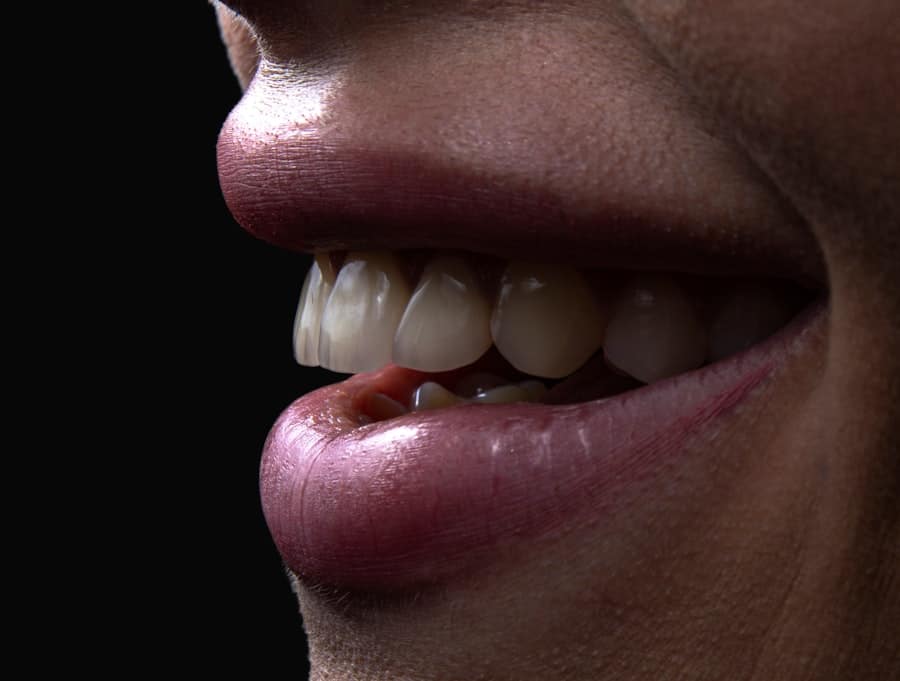
The quest for an “Implant Dentist Auburn Hills McKinney Estimate” is more than just a financial transaction; it’s about finding a trusted partner in your oral health journey. The estimate is a vital data point, but it should not be the sole determinant of your decision. Consider it a single brushstroke in a much larger masterpiece.
The Importance of Credentials and Experience
As previously discussed, the qualifications and experience of your dental professional are paramount. Dig deeper than just the service provider’s name.
Specialization and Advanced Training
Look for dentists who have undergone specialized training in implantology, such as periodontists or oral and maxillofacial surgeons. Their focused expertise can be invaluable in complex cases.
Continuing Education and Professional Development
A commitment to ongoing learning and professional development indicates a dentist’s dedication to staying abreast of the latest techniques and technologies in implant dentistry.
Patient Reviews and Testimonials
In the digital age, patient feedback serves as a valuable barometer of a dentist’s practice. While not always definitive, consistent positive reviews can offer reassurance.
Online Platforms and Review Sites
Websites like Google Reviews, Yelp, and specialized dental review platforms can offer insights into other patients’ experiences with a particular dentist or practice.
Seeking Recommendations from Trusted Sources
Word-of-mouth referrals from friends, family, or your general dentist can be invaluable in identifying reputable implant specialists.
The Practice Environment and Technology
The environment in which your treatment is administered, and the technology employed, can significantly influence your experience and the outcome.
State-of-the-Art Equipment and Facilities
A practice equipped with modern diagnostic and surgical tools, such as 3D imaging, digital scanners, and advanced sterilization equipment, often indicates a commitment to high-quality care.
Comfort and Patient Amenities
Beyond the technical aspects, consider the overall environment. Does the practice feel welcoming and do they prioritize patient comfort?
Communication and Patient Education
A good implant dentist will prioritize clear and open communication, ensuring you understand every aspect of your treatment.
Active Listening and Answering Questions
Your dentist should patiently listen to your concerns and provide thorough, understandable answers to all your questions.
Visual Aids and Educational Materials
The use of visual aids, such as diagrams, models, and digital simulations, can greatly enhance your understanding of the procedure.
Understanding the Entirerium of Dental Services
While you’re focused on an implant estimate, remember that a comprehensive dental practice offers a full spectrum of care.
Integrated Care Approach
Does the practice offer a holistic approach to oral health, integrating implant dentistry with preventive care, restorative treatments, and cosmetic procedures if needed?
Collaboration with General Dentists
If you have a trusted general dentist, inquire if the implant specialist collaborates effectively with them for your ongoing care.
If you’re considering dental implants and looking for an estimate from an implant dentist in Auburn Hills, you might find it helpful to read a related article that discusses the costs associated with dental implants in different regions. This article provides valuable insights into what you can expect to pay and factors that influence pricing. For more information, you can check out this article on dental implant costs. Understanding these details can help you make an informed decision about your dental care options.
The Long-Term Investment: Value Beyond the Estimate
| Service | Average Cost | Procedure Duration | Consultation Fee | Location |
|---|---|---|---|---|
| Single Tooth Implant | 1500 – 3000 | 1 – 2 hours | 50 – 100 | Auburn Hills |
| Single Tooth Implant | 1400 – 2800 | 1 – 2 hours | 50 – 100 | Mckinney |
| Full Mouth Implants | 20000 – 45000 | Multiple visits over 3-6 months | 100 – 150 | Auburn Hills |
| Full Mouth Implants | 18000 – 42000 | Multiple visits over 3-6 months | 100 – 150 | Mckinney |
| Implant Consultation | N/A | 30 – 60 minutes | Free to 100 | Auburn Hills & Mckinney |
The initial financial estimate for dental implants can seem substantial. However, it’s crucial to view this not as an expense, but as a long-term investment in your health, confidence, and quality of life. The value derived from a restored smile and regained function often far surpasses the initial monetary outlay.
Restoring Functionality: The Cornerstone of Well-being
The ability to eat, speak, and laugh without discomfort or self-consciousness is fundamental to a fulfilling life. Dental implants restore these vital functions with a level of stability and comfort that is often unmatched by other tooth replacement options.
Improved Chewing Efficiency and Nutritional Intake
Missing teeth can significantly impair your ability to chew, leading to a restricted diet and potential nutritional deficiencies. Implants allow you to enjoy a wider range of foods, promoting better digestion and overall health.
The Link Between Oral Health and Systemic Health
Emerging research continues to highlight the intricate connection between oral health and systemic well-being. By addressing missing teeth, you are contributing to your overall health.
Enhanced Speech Clarity and Confidence
Missing teeth can affect your pronunciation and lead to a lisp or difficulty forming certain sounds. Implants restore the natural contours of your mouth, enabling clear and confident speech.
The Psychological Impact of a Full Smile
A complete smile can have a profound impact on self-esteem and social interactions. The confidence gained from a restored appearance is immeasurable.
Durability and Longevity: A Wise Financial Decision
When properly cared for, dental implants can last a lifetime. While the upfront cost may be higher than some alternatives, their longevity makes them a cost-effective solution in the long run.
Reduced Need for Replacements and Repairs
Unlike dentures or bridges that may require periodic adjustments, relining, or even replacement over time, implants are designed for permanent placement. This can translate into significant savings over decades.
The Lifetime Cost Analysis
When considering the total cost over a 20-30 year period (or more), implants often prove to be the most economical option due to their durability and low maintenance requirements.
The Unquantifiable Benefits: Quality of Life
Beyond the tangible aspects of function and durability, dental implants offer benefits that are difficult to quantify but profoundly impactful.
Renewed Social Engagement and Reduced Self-Consciousness
The freedom from worrying about dentures shifting or feeling embarrassed about missing teeth can unlock a new level of social engagement and personal freedom.
The Joy of Uninhibited Laughter and Conversation
Imagine participating in conversations and social gatherings without the constant concern about your smile. This newfound ease can significantly enhance your quality of life.
A Foundation for Future Oral Health
By preserving jawbone and preventing the shifting of adjacent teeth, dental implants contribute to the long-term stability and health of your entire oral structure.
Preventing Further Dental Problems
The domino effect of tooth loss can lead to a cascade of other dental issues. Implants effectively halt this process, safeguarding your remaining oral health.
In conclusion, the pursuit of an “Implant Dentist Auburn Hills McKinney Estimate” is the starting point of a journey towards a healthier, more confident you. While the financial aspect is a necessary consideration, remember that the true value lies in the regained functionality, enduring durability, and the immeasurable boost to your overall quality of life. By arming yourself with knowledge and partnering with a qualified professional, you are making a wise investment in your smile and your future.
FAQs
What is a dental implant?
A dental implant is a titanium post surgically placed into the jawbone to serve as a replacement root for a missing tooth. It provides a strong foundation for fixed or removable replacement teeth designed to match natural teeth.
How much does a dental implant typically cost in Auburn Hills or McKinney?
The cost of a dental implant in Auburn Hills or McKinney can vary widely depending on factors such as the dentist’s experience, the complexity of the procedure, and additional treatments needed. On average, a single implant can range from $3,000 to $5,000 or more.
What factors influence the estimate for dental implants?
Several factors affect the cost estimate, including the number of implants required, the need for bone grafting or sinus lifts, the type of restoration (crown, bridge, or denture), and any diagnostic imaging or consultations needed.
Is the dental implant procedure painful?
Most patients experience minimal discomfort during and after the dental implant procedure. Local anesthesia is used during surgery, and any post-operative pain can typically be managed with over-the-counter pain medications.
How long does the dental implant process take from start to finish?
The entire dental implant process can take several months, usually between 3 to 6 months. This includes the initial consultation, implant placement, healing time for osseointegration (bone fusion), and placement of the final restoration.