
Understanding the Investment in Your Smile: Dental Implant Surgery Westridge McKinney Pricing
When you contemplate the prospect of dental implant surgery, you’re not just looking at a procedure; you’re embarking on a journey to restore functionality, confidence, and the fundamental ability to enjoy life’s simple pleasures, like a crisp apple or a hearty laugh. In Westridge, McKinney, like anywhere else, the cost of this transformative treatment is a crucial consideration. This article aims to demystify the pricing structure, empowering you with the knowledge to make an informed decision about your oral health investment.
To understand dental implant surgery pricing in Westridge, McKinney, you must first dissect the various components that contribute to the overall expense. Think of these as the individual bricks and mortar that construct the foundation of your new, permanent smile.
The Implant Fixture Itself
The titanium post, often referred to as the implant fixture, is the bedrock of the entire restoration. Its construction and the precise surgical placement are paramount to the long-term success of the implant. The material, typically medical-grade titanium, is chosen for its biocompatibility – its ability to fuse with your jawbone through a process called osseointegration, much like a skilled artisan carefully grafts a new branch onto a healthy tree.
Titanium Grade and Quality
Not all titanium is created equal. Dental implants utilize specific grades of titanium alloy that have demonstrated exceptional strength, durability, and the ability to integrate with bone tissue. Reputable manufacturers invest heavily in research and development to perfect these materials, ensuring they meet stringent medical standards. The cost reflects this dedication to quality and safety.
Manufacturing Precision
The manufacturing process for dental implants demands an incredibly high level of precision. Tiny variations in diameter, thread design, and surface texture can significantly impact osseointegration and the stability of the implant. This intricate engineering, akin to the meticulous craftsmanship required to build a fine watch, contributes to the overall cost.
The Abutment: The Bridge to Your Crown
Once the implant fixture has successfully integrated with your jawbone, an abutment is attached. This small connector acts as the crucial link between the buried implant and the visible prosthetic tooth.
Material Options for Abutments
Abutments can be fabricated from various materials, including titanium, zirconia, and gold alloys. Each material possesses unique properties that influence its cost, durability, and aesthetic potential. Zirconia, for instance, offers excellent esthetics and can be a good choice for visible areas, but often comes at a higher price point due to its complex manufacturing.
Custom vs. Stock Abutments
In some cases, a stock abutment might be sufficient. However, for optimal fit and appearance, especially in challenging anatomical situations, a custom-abutment may be necessary. This involves specialized dental laboratory work, further contributing to the expense. The creation of a custom abutment is like a bespoke tailor crafting a garment specifically for your unique measurements.
The Prosthetic Crown: The Visible Star
The dental crown, or the artificial tooth, is the final piece of the puzzle and the most visible aspect of your restored smile. Its appearance, fit, and durability are key to your satisfaction.
Material of the Crown
Crowns can be made from a range of materials, including porcelain-fused-to-metal (PFM), all-ceramic (like zirconia or e.max), and even gold alloys. Porcelain-fused-to-metal crowns have a metal substructure, offering strength, but the metal can sometimes show through at the gum line. All-ceramic crowns offer superior aesthetics and are often preferred for front teeth, but can be more expensive. The choice of material is a delicate balance between form and function, and its associated cost.
Digital vs. Traditional Impressions
The process of creating the crown involves taking an impression of your mouth. Traditionally, this involved messy dental putty. Modern techniques often utilize digital intraoral scanners, which are more comfortable for the patient and can provide highly accurate digital models for the lab. While digital scanning may have an initial investment for the dental practice, it can lead to more precise restorations and potentially streamline the process.
Dental Laboratory Fees
A significant portion of the cost for the prosthetic crown is directed towards the dental laboratory. These skilled technicians use advanced technology and materials to craft a crown that perfectly matches your natural teeth in shape, size, and color. This artisanal work, ensuring a seamless transition between your natural teeth and the implant, is a vital component of the overall price.
If you’re considering dental implant surgery in Westridge McKinney and want to understand the pricing better, you might find it helpful to read a related article that discusses the costs of dental implants in different locations. For more detailed information on pricing and factors that influence the cost of dental implants, check out this article on costs for dental implants in Coon Rapids, Minnesota. This resource can provide valuable insights that may assist you in making an informed decision regarding your dental health.
Factors Influencing Westridge McKinney Dental Implant Pricing
Beyond the core components, several individual patient factors and practice-specific elements contribute to the final price tag for dental implant surgery in Westridge, McKinney.
Patient-Specific Needs and Bone Density
The condition of your jawbone is a critical determinant of the complexity and cost of your surgery. Healthy bone is the ideal foundation, but many patients may require additional procedures to ensure the implant’s stability.
Bone Grafting Procedures
If you have experienced significant bone loss due to tooth extraction, gum disease, or trauma, bone grafting may be necessary. This procedure involves adding bone material to augment the jawbone, creating a sufficient structure to support the implant. Bone grafting is a separate surgical procedure with its own associated costs, including the graft material and the surgical time. This acts like reinforcing a weakened foundation before building a new structure.
Sinus Lifts
For implants in the upper jaw, particularly in the posterior region, the proximity of the maxillary sinus can pose a challenge. A sinus lift procedure involves elevating the sinus membrane and placing bone graft material into the sinus cavity, creating more bone depth for implant placement. This specialized procedure adds to the overall treatment cost.
Ridge Augmentation
Similar to bone grafting, ridge augmentation is used to rebuild the width or height of the jawbone ridge where a tooth has been lost. This is crucial for both esthetic and functional reasons, ensuring adequate bone support for the implant and surrounding teeth.
The Skill and Experience of the Dental Professional
The expertise of the dentist or oral surgeon performing your implant surgery plays a significant role in the overall cost. A highly experienced clinician often commands higher fees due to their proven track record and specialized training.
Surgical Training and Specialization
Dentists and oral surgeons who specialize in dental implants undergo extensive post-graduate training. This can include certifications in implant dentistry, extensive continuing education, and a history of successfully placing a high volume of implants. This specialized knowledge and skill are invaluable, ensuring the best possible outcome.
Years of Practice and Case Volume
Clinicians who have been performing dental implant surgery for many years and have a high volume of successful cases can often justify higher fees. Their experience allows them to navigate complex situations with greater confidence and efficiency, leading to better results.
The Location and Overhead of the Dental Practice
The operational costs of a dental practice in Westridge, McKinney can influence pricing. Factors such as rent, staff salaries, advanced technology, and the overall patient experience contribute to the overhead.
State-of-the-Art Technology
Dental practices that invest in cutting-edge technology, such as 3D cone-beam computed tomography (CBCT) scanners for precise imaging, digital milling machines for same-day crowns, and advanced surgical instruments, often incorporate these costs into their pricing. This technology can lead to more accurate diagnoses, less invasive procedures, and more aesthetically pleasing results.
Clinic Ambiance and Patient Comfort
A practice that prioritizes patient comfort with modern, well-equipped operatories, comfortable waiting areas, and a professional, friendly staff may have higher operating expenses, which can be reflected in their pricing. This commitment to a positive patient experience is akin to a luxury hotel charging more for premium amenities.
Navigating the Treatment Phases and Associated Costs
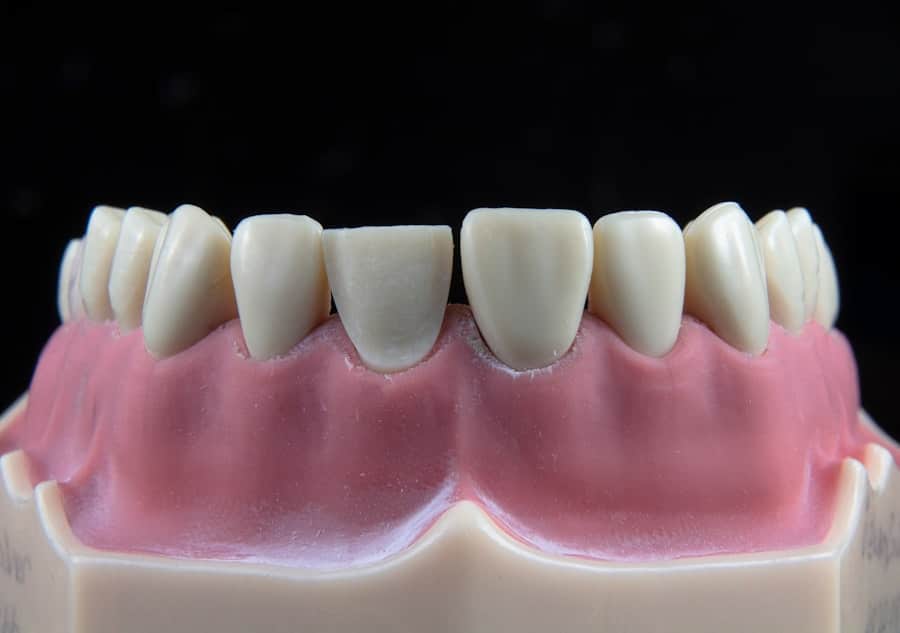
Dental implant surgery is typically a multi-stage process, and the costs are often divided among these distinct phases.
The Initial Consultation and Treatment Planning
Before any surgical intervention, a thorough consultation and detailed treatment plan are essential. This phase involves assessing your oral health, discussing your goals, and developing a personalized roadmap for your treatment.
Diagnostic Imaging
This phase usually includes X-rays and potentially a 3D CBCT scan. These diagnostic tools provide a detailed view of your jawbone, nerves, and surrounding structures, which are crucial for accurate planning and to identify any potential complications. This is like a builder creating detailed blueprints before commencing construction.
Treatment Plan Development
Your dentist will review the diagnostic information and discuss various treatment options, including the type of implant, the materials, and the timeline. This collaborative process ensures you understand all aspects of the procedure and can make informed decisions.
The Surgical Placement of the Implant
This is the core surgical procedure where the titanium implant fixture is placed into your jawbone.
Surgical Fees
The fees for this stage cover the surgeon’s time, the surgical instruments, anesthesia, and any medications administered during or after the procedure. Sedation options, if chosen, will also contribute to this cost.
Implant Components and Materials
This also includes the cost of the specific implant fixture, abutment, and any necessary surgical materials like bone graft substitutes.
The Healing and Osseointegration Period
Following surgery, a critical healing period is required for the implant to fuse with your jawbone. This process can take several months. While there are no direct fees during this time, it’s crucial for the long-term success of the implant.
The Restoration Phase: Attaching the Abutment and Crown
Once osseointegration is complete, the abutment is attached, and then the custom-fabricated crown is placed onto the abutment.
Abutment Placement
This might involve a minor surgical procedure to expose the implant and attach the abutment, or it could be a non-surgical procedure depending on the type of implant and abutment used.
Crown Fabrication and Placement
This is where the dental laboratory fees for crafting your custom crown come into play, along with the dentist’s time for fitting and cementing the crown.
Understanding Pricing Variations in Westridge McKinney
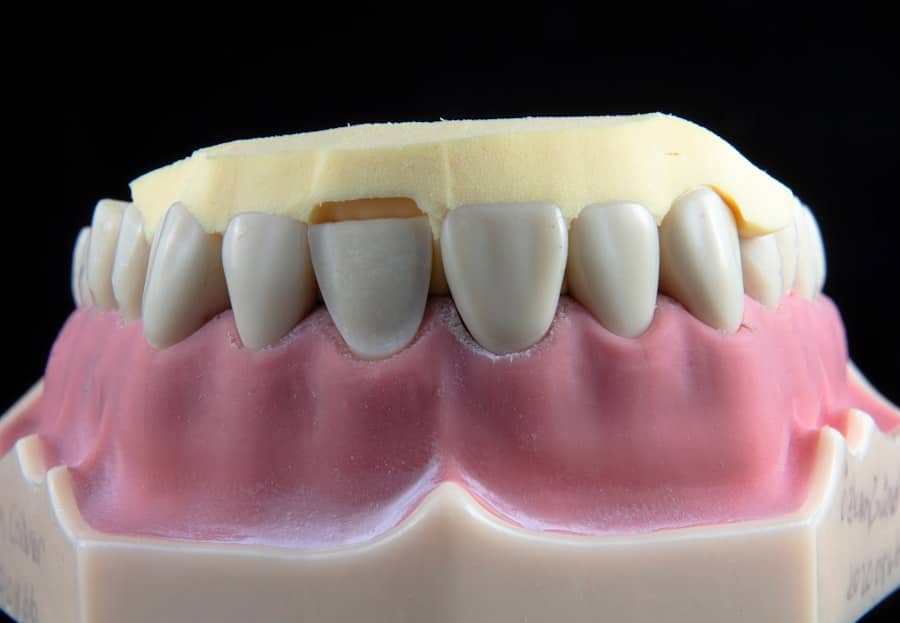
While general price ranges can be established, it’s important to recognize that the exact cost of dental implant surgery in Westridge, McKinney will vary significantly from one practice to another. This is not a one-size-fits-all scenario.
Single Implant vs. Full Arch Restorations
The cost of a single dental implant will be considerably lower than that of a full arch restoration, which involves replacing an entire set of teeth with implants. Full arch procedures, while potentially more cost-effective per tooth when replacing many, involve a more extensive surgical and restorative process.
All-on-4 or All-on-6 Procedures
These popular full-arch solutions use a specific number of strategically placed implants to support a full set of prosthetic teeth. The cost for these procedures reflects the complexity of the surgery, the number of implants involved, and the fabrication of a large, complex prosthetic bridge.
Insurance Coverage and Financing Options
While dental insurance may not always cover the full cost of dental implants, some plans offer partial coverage. It’s crucial to verify your specific policy details. Many dental practices in Westridge, McKinney also offer flexible financing options to make the treatment more accessible.
Third-Party Financing
Dental practices often partner with third-party financing companies that offer installment plans with varying interest rates and repayment terms. This can break down a significant cost into manageable monthly payments.
In-House Payment Plans
Some practices may offer their own in-house payment plans, which can provide more flexibility and potentially lower interest rates.
When considering dental implant surgery in Westridge McKinney, understanding the pricing can be crucial for making an informed decision. A related article that provides valuable insights into the costs associated with dental implants can be found at this link. It covers various factors that influence the overall expenses, helping patients better navigate their options and budget accordingly.
Seeking Clarity on Dental Implant Surgery Westridge McKinney Pricing
| Service | Average Cost | Procedure Duration | Consultation Fee | Additional Notes |
|---|---|---|---|---|
| Single Dental Implant | 1500 – 2500 | 1 to 2 hours | 50 – 100 | Includes implant placement and abutment |
| Implant Crown | 1000 – 1800 | 1 hour | Included with implant placement | Custom-made crown attached to implant |
| Full Mouth Dental Implants | 20000 – 45000 | Multiple sessions over several months | 150 – 200 | Includes multiple implants and prosthetics |
| Bone Grafting | 300 – 1200 | 1 to 2 hours | 50 – 100 | May be required for implant stability |
| Sinus Lift | 1000 – 2500 | 1 to 2 hours | 50 – 100 | Necessary for upper jaw implants |
The most effective way to get an accurate understanding of dental implant surgery pricing in Westridge, McKinney is to schedule a consultation with a reputable dental professional. This allows for a personalized assessment and a transparent breakdown of costs.
The Importance of a Comprehensive Consultation
During your consultation, don’t hesitate to ask questions. A thorough discussion about the proposed treatment plan, the materials to be used, and the anticipated timeline will provide a solid foundation for understanding the costs.
Requesting a Detailed Treatment Plan and Cost Breakdown
A comprehensive treatment plan should clearly outline each step of the procedure, the expected outcomes, and a detailed breakdown of all associated costs. This transparency is key to building trust and making an informed decision.
Comparing Treatment Proposals
It can be beneficial to obtain treatment proposals from a few different qualified dental practices. This allows you to compare not only pricing but also the proposed treatment approaches and the practitioners’ credentials. However, remember that the cheapest option is not always the best when it comes to your oral health. Focusing solely on price without considering the quality of care and materials can lead to long-term complications and greater expenses down the line. Your smile is a lifelong asset, and investing wisely in its restoration is a decision that will yield dividends for years to come.
FAQs
What factors influence the pricing of dental implant surgery in Westridge McKinney?
The cost of dental implant surgery in Westridge McKinney depends on several factors including the number of implants needed, the complexity of the procedure, the type of implant used, any additional treatments required (such as bone grafting), and the experience of the dental surgeon.
Does dental insurance typically cover dental implant surgery in Westridge McKinney?
Most dental insurance plans do not fully cover dental implant surgery as it is often considered a cosmetic procedure. However, some plans may cover parts of the treatment, such as extractions or anesthesia. It is important to check with your insurance provider for specific coverage details.
Are there financing options available for dental implant surgery in Westridge McKinney?
Many dental offices in Westridge McKinney offer financing options or payment plans to help patients manage the cost of dental implant surgery. Additionally, third-party medical financing companies may provide loans or credit plans tailored for dental procedures.
How long does the dental implant surgery process take in Westridge McKinney?
The entire dental implant process can take several months, including initial consultation, implant placement, healing time for osseointegration (usually 3-6 months), and placement of the final crown or prosthesis. The timeline may vary based on individual cases and any additional procedures required.
What should I expect during the consultation for dental implant surgery in Westridge McKinney?
During the consultation, the dentist will evaluate your oral health, take X-rays or 3D scans, discuss your medical history, and develop a personalized treatment plan. They will also provide an estimate of the costs involved and explain the surgical procedure, recovery process, and aftercare instructions.