
You stand at a crossroads in your dental health journey. Perhaps you’re navigating the complexities of missing teeth, the discomfort they can bring, or the aesthetic concerns that often accompany them. You’ve likely heard about dental implants as a robust solution, a modern marvel in restorative dentistry. Now, your focus narrows to finding that solution within your reach, specifically in the Stonebridge Ranch area of McKinney, Texas. This guide aims to illuminate the path toward affordable dental implants in Stonebridge Ranch, McKinney, TX, by providing factual information and practical considerations to help you make an informed decision.
Dental implants are not a one-size-fits-all solution, and their cost reflects a sophisticated blend of materials, surgical expertise, and the long-term value they provide. To understand affordability, you must first grasp what constitutes a dental implant.
What Exactly is a Dental Implant?
The Anatomy of a Dental Implant
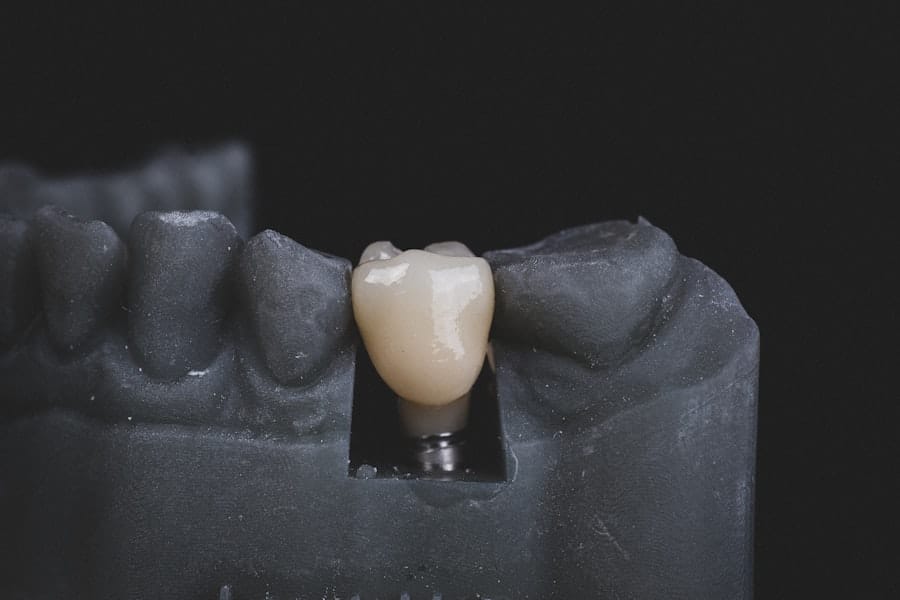
A dental implant is essentially a titanium post, surgically placed into your jawbone. This post acts as a sturdy anchor, mimicking the root of a natural tooth. Over time, a process called osseointegration occurs, where your jawbone fuses with the titanium, creating an exceptionally stable foundation. This stability is crucial for supporting artificial teeth, such as crowns, bridges, or dentures.
Why Titanium?
Titanium is chosen for its biocompatibility, meaning it is well-tolerated by the human body and does not trigger adverse immune responses. Its strength and durability also make it an ideal material for this long-term restorative purpose.
The Components of a Dental Implant Restoration
A complete dental implant restoration typically involves three main parts:
- The Implant Fixture: This is the titanium post that is surgically placed into the jawbone.
- The Abutment: This is a connector piece that attaches to the implant fixture, extending above the gum line. It serves as the base for the prosthetic tooth.
- The Prosthetic Tooth: This is the visible, artificial tooth, which can be a crown (for a single missing tooth), a bridge (for multiple missing teeth), or part of an overdenture.
The Long-Term Value Proposition
While the upfront cost of dental implants can seem significant, it’s important to consider their longevity. When properly cared for, dental implants can last a lifetime. This stands in contrast to other tooth replacement options, like dentures or bridges, which may require adjustments or replacement over time, accumulating costs. Considering this long-term perspective is fundamental to evaluating the true affordability of dental implants.
If you’re considering affordable dental implants in Stonebridge Ranch, McKinney, TX, you may find it helpful to read about the costs associated with dental implants in different regions. An insightful article on this topic can be found at Costs for Dental Implants in Flagstaff, Arizona, which provides a comprehensive overview of pricing factors and what to expect when investing in dental implants. This information can help you make an informed decision about your dental health and budget.
Factors Influencing the Cost of Dental Implants in Stonebridge Ranch, McKinney, TX
The price tag attached to dental implants is influenced by a constellation of factors. Understanding these variables is key to navigating your options and anticipating the financial commitment.
The Complexity of Your Case
- Number of Implants Needed: If you require multiple implants to replace several missing teeth or support a full arch, the overall cost will naturally be higher than for a single implant.
- Bone Density and Volume: In some cases, the jawbone may be insufficient in density or volume to support an implant. This often necessitates bone grafting procedures before implant placement, adding to the overall expense. Bone grafting is a surgical procedure to augment the jawbone, providing a solid platform for the implant.
- Existing Dental Health: If you have underlying dental issues, such as gum disease or decay, these will need to be addressed before implant surgery. Treating these conditions incurs additional costs.
The Type of Implant and Prosthetic
- Implant System: Different dental implant manufacturers offer varying systems, each with its own pricing structure. Reputable brands often come with a higher price point but may offer greater long-term reliability.
- Prosthetic Material: The material used for your crown, bridge, or denture will also affect the cost. Options range from porcelain-fused-to-metal to all-ceramic materials, with the latter generally being more aesthetically pleasing and durable, but also more expensive.
- Single Implant vs. Implant-Supported Bridge/Denture: Replacing a single tooth with a single implant and crown is typically less expensive than replacing multiple teeth with an implant-supported bridge or a full denture.
The Dental Professional’s Expertise and Location
- Surgeon’s Experience: Highly experienced oral surgeons or periodontists, who specialize in implant surgery, may command higher fees. However, their expertise can translate to higher success rates and fewer complications.
- Geographic Location: While you are specifically interested in Stonebridge Ranch, McKinney, TX, it’s worth noting that dental costs can vary slightly within different areas of a city or region, influenced by overhead and local market conditions. Stonebridge Ranch, being a well-established community, might reflect certain pricing trends.
Additional Procedures
- Tooth Extractions: If teeth need to be removed before implant placement, this adds to the initial cost.
- Sinus Lifts: For implants placed in the upper jaw, a sinus lift procedure may be required if the maxillary sinus is too close to the jawbone. This involves augmenting the bone in the sinus cavity.
- Sedation Options: If you opt for sedation dentistry to manage anxiety during the procedure, this will incur an additional charge.
Navigating the Financial Landscape: Strategies for Affordable Dental Implants
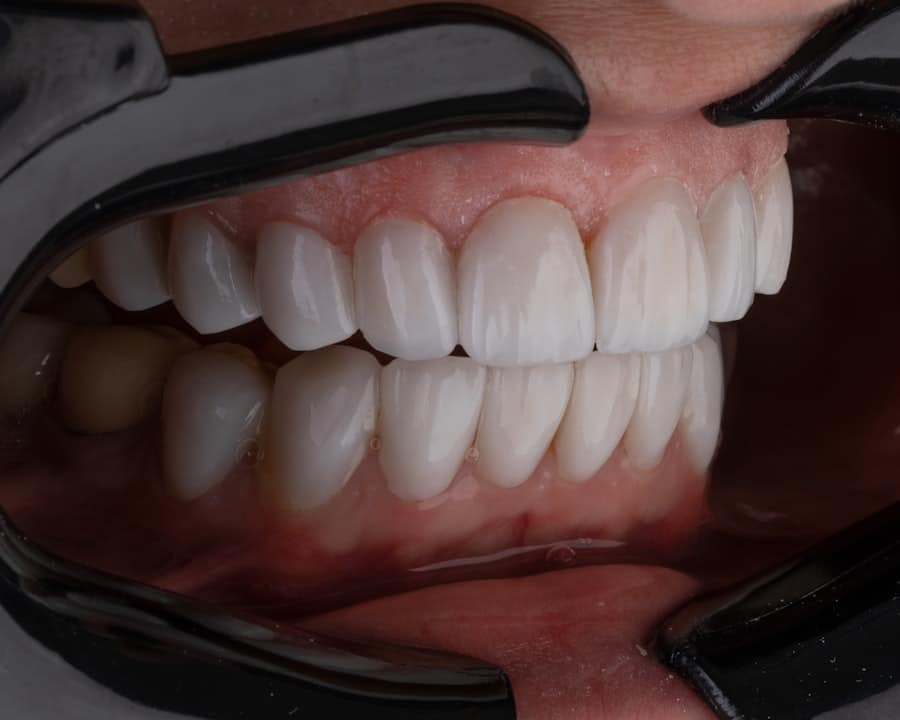
Achieving affordable dental implants in Stonebridge Ranch, McKinney, TX, often involves a multi-pronged approach to financial planning and exploration of available options. It’s akin to finding a well-paved road through a complex terrain.
The Importance of a Comprehensive Consultation and Treatment Plan
Initial Diagnosis and Assessment
Your first step towards affordability begins with a thorough dental examination. This consultation is where the dentist assesses your suitability for implants, identifies any potential challenges, and begins to outline a personalized treatment plan. This includes:
- X-rays and 3D Imaging: Detailed imaging (like Cone Beam CT scans) is essential for evaluating bone structure, nerve pathways, and sinus proximity.
- Oral Health Evaluation: A general assessment of your gums, existing teeth, and overall oral health.
Detailed Treatment Proposal
Following the assessment, you should receive a detailed treatment proposal. This document is your blueprint for understanding the entire process and its associated costs. It should clearly delineate:
- Each Procedure: List of all necessary steps, from initial surgery to the placement of the final prosthesis.
- Itemized Costs: A breakdown of costs for each component, including the implant itself, abutment, prosthetic tooth, surgical fees, and any related procedures like bone grafting or extractions.
- Estimated Timeline: A projected schedule for the entire treatment.
This detailed plan is your anchor in the financial discussion. It allows you to compare offers from different practices and understand exactly what you are paying for.
Exploring Dental Insurance and Financing Options
The Role of Dental Insurance
While many dental insurance plans do not fully cover the cost of dental implants, some offer partial coverage. It is crucial to:
- Review Your Policy: Carefully examine your dental insurance policy to understand what benefits, if any, are available for implant procedures, prosthetics, or associated surgeries.
- Contact Your Provider: Speak directly with your insurance provider to clarify coverage details, deductibles, co-pays, and annual maximums.
- Pre-Authorization: Inquire about the possibility and process of obtaining pre-authorization for implant treatment, which can help prevent unexpected financial surprises.
Dental Financing and Payment Plans
Many dental practices offer financing options to make implants more accessible. These can include:
- In-House Payment Plans: Some clinics offer their own payment plans, often with interest-free periods if paid within a certain timeframe.
- Third-Party Dental Lenders: Numerous specialized lenders provide financing for dental procedures. These often have competitive interest rates and flexible repayment terms. Popular options include CareCredit and Alphaeon Credit. You can typically apply online, and approval is often fast.
- General Medical Financing: In some instances, general medical financing options might be applicable, though they may not be specifically tailored to dental work.
- Credit Cards: For smaller portions of the cost or for short-term financing, using a credit card with a low introductory interest rate can be an option, but this should be approached with caution due to potential high interest charges.
Health Savings Accounts (HSAs) and Flexible Spending Accounts (FSAs)
If you have an HSA or FSA through your employer, these funds can often be used to pay for dental implants, as they are considered medically necessary procedures. These accounts offer tax advantages, making the funds effectively “cheaper” than out-of-pocket cash.
Dental Schools and University Clinics
In some larger metropolitan areas, dental schools or university clinics may offer dental implant services at significantly reduced costs. While the Stonebridge Ranch area may not have a prominent dental school directly within it, it is worth exploring if any are within reasonable driving distance. These clinics are supervised by experienced faculty and provide excellent training opportunities for dental students, often resulting in high-quality care at a lower price point. However, treatment timelines might be longer due to the educational environment.
Seeking Affordable Dental Implants in Stonebridge Ranch, McKinney, TX: A Practical Approach
Identifying dental professionals who offer affordable dental implants in Stonebridge Ranch, McKinney, TX, requires diligent research and a structured approach. It’s about finding the right craftsman for your unique needs.
Researching Local Dental Practices
Online Search and Review Platforms
Begin your search using online search engines with specific keywords like “affordable dental implants Stonebridge Ranch McKinney TX,” “dental implant cost McKinney,” or “dental surgeon near Stonebridge Ranch.” Utilize review platforms such as Google Reviews, Yelp, or Healthgrades. Look for practices that:
- Have a Strong Online Presence: A professional website often indicates a well-established practice.
- Showcase Implantology Expertise: Look for dentists who highlight their experience and credentials in implant dentistry.
- Receive Positive Patient Feedback: Pay attention to reviews that specifically mention patient satisfaction with the affordability, quality of care, and the outcome of implant procedures.
Professional Directories
Consider using professional dental association directories. For instance, the American Academy of Implant Dentistry (AAID) or the American Association of Oral and Maxillofacial Surgeons (AAOMS) often have searchable directories of qualified practitioners.
Evaluating Dental Professionals and Practices
| Metric | Details |
|---|---|
| Location | Stonebridge Ranch, McKinney, TX |
| Average Cost per Implant | 1200 – 1800 |
| Number of Implants per Procedure | 1 – 4 |
| Procedure Duration | 1 – 2 hours per implant |
| Recovery Time | 3 – 6 months (including osseointegration) |
| Financing Options | Available (payment plans, credit options) |
| Insurance Coverage | Varies; some plans cover part of the procedure |
| Clinic Ratings | 4.5 out of 5 stars (based on patient reviews) |
| Consultation Fee | Free or nominal fee |
| Warranty on Implants | 5 – 10 years depending on provider |
Credentials and Specialization
When considering a dentist for your implant procedure, verify their qualifications. Look for:
- Specialists: Oral and maxillofacial surgeons, periodontists, or prosthodontists often have advanced training in implantology.
- Continuing Education: Dentists who regularly participate in continuing education courses related to implant dentistry demonstrate a commitment to staying current with the latest techniques and technologies.
- Experience with Implants: Inquire about the number of implants they have placed and their success rates.
Technology and Techniques
Modern dental practices often incorporate advanced technology, which can contribute to more precise and less invasive procedures, potentially leading to better outcomes and even cost savings in the long run by minimizing complications. Some common technologies include:
- 3D Imaging (CBCT Scanners): These provide detailed three-dimensional views of your jawbone and surrounding structures, crucial for accurate implant placement.
- Digital Smile Design: This technology can help visualize the final outcome of your prosthetic teeth, giving you a clearer expectation.
- Guided Surgery: Using computer-generated surgical guides, this technique enhances precision during implant placement.
Communication and Transparency
A good dental practice will prioritize clear communication. During your consultation, they should:
- Listen Attentively: Understand your concerns, goals, and financial limitations.
- Explain Clearly: Use understandable language to explain the procedure, risks, benefits, and alternatives.
- Provide a Detailed Written Plan: As mentioned earlier, this is non-negotiable for understanding costs.
- Answer All Your Questions: Do not hesitate to ask any questions you may have. A patient and informative dentist is a strong indicator of a good practice.
Special Offers and Promotions
While not always present, some dental practices may offer occasional promotions or discounts on dental implants. These could be part of a new patient special, a seasonal promotion, or a package deal for multiple implants. It is worth inquiring about any current offers when you call to schedule your initial consultation. However, it is essential to ensure that any promotional offer does not compromise the quality of care or materials used. Affordability should not come at the expense of safety or long-term success.
If you’re considering Affordable Dental Implants in Stonebridge Ranch, McKinney, TX, you might find it helpful to explore related information on the costs associated with dental implants. A comprehensive article discussing the expenses involved can be found here: costs for dental implants. This resource can provide valuable insights that may assist you in making an informed decision about your dental care options.
The Process: From Consultation to Lasting Smile
Understanding the step-by-step process of receiving dental implants can demystify the journey and help you anticipate the timeline and what to expect, laying a clear path from your initial inquiry to the final result.
The Initial Consultation and Assessment
Gathering Information and Diagnosis
Your journey begins with a comprehensive dental examination at a practice in or near Stonebridge Ranch, McKinney, TX. This appointment is critical for the dentist to assess your overall oral health, including:
- Medical History: Discussing any existing medical conditions or medications that could affect healing or implant success.
- Dental History: Understanding your past dental experiences and the reasons for tooth loss.
- Oral Examination: A thorough check of your gums, remaining teeth, and jaw structure.
- Imaging: X-rays, including potentially a 3D Cone Beam Computed Tomography (CBCT) scan, are essential for the dentist to visualize your jawbone density, nerve pathways, and sinus cavities. This detailed mapping is the foundation for safe and effective implant placement.
Discussing Options and Creating a Plan
Based on the assessment, the dentist will discuss the most suitable dental implant options for your specific needs. This is the stage where:
- Treatment Options are Presented: You will learn about different types of implants, abutments, and prosthetic tooth options.
- A Personalized Treatment Plan is Developed: A detailed plan will be outlined, including the proposed procedures, timeline, and an itemized cost estimate. This plan is crucial for understanding the financial aspects and for comparing offers if you consult with multiple practices.
- Questions are Addressed: This is your opportunity to ask any questions about the procedure, recovery, risks, and expected outcomes.
Surgical Placement of the Implant
Preparing for Surgery
Before the surgical appointment, you may receive specific instructions regarding diet, medications, and oral hygiene.
The Implant Surgery
The placement of the implant fixture is a surgical procedure typically performed under local anesthesia, often with options for sedation if you experience dental anxiety.
- Incision and Exposure: The surgeon makes a small incision in the gum tissue to expose the jawbone.
- Drilling: A series of specialized drills are used to create a precise socket in the jawbone where the implant will be placed.
- Implant Insertion: The titanium implant fixture is carefully screwed or tapped into the prepared socket.
- Closure: The gum tissue is usually sutured closed over the implant, or a healing cap may be placed.
Post-Operative Care
After surgery, you will receive instructions on managing pain and swelling, maintaining oral hygiene, and dietary recommendations. Proper post-operative care is vital for promoting healing and preventing complications.
The Healing Period: Osseointegration
The Crucial Fusion Process
This is a critical phase where your jawbone fuses with the titanium implant. The duration of osseointegration varies but typically takes several months. During this time, the implant becomes a stable, integrated part of your jaw, much like a natural tooth root.
- Bone Remodeling: Your body’s natural healing processes will cause bone cells to grow around and into the implant surface.
- Stability Assessment: Your dentist will monitor the stability of the implant throughout this period.
Placing the Abutment and Prosthetic Tooth
Exposing the Implant and Attaching the Abutment
Once osseointegration is complete and the implant is deemed stable, a minor procedure may be performed to expose the implant and attach the abutment. This component acts as a connector between the implant and the artificial tooth. In some cases, the abutment can be placed during the initial surgery.
Fabricating and Attaching the Prosthetic Tooth
Using impressions or digital scans taken earlier, your custom-designed prosthetic tooth (crown, bridge, or denture) is fabricated by a dental laboratory.
- Impressions/Scans: These records ensure the prosthetic matches the shape, size, and color of your natural teeth.
- Fitting and Adjustment: The final prosthetic is then carefully fitted onto the abutment and adjusted for comfort, bite, and aesthetics.
Long-Term Care and Maintenance
Maintaining Oral Hygiene
Proper daily oral hygiene is paramount for the longevity of your dental implants. This includes:
- Brushing: Gently but thoroughly brushing around the implant and prosthetic.
- Flossing: Using specialized floss or interdental brushes to clean between teeth and around the implant.
- Mouthwash: Using an antiseptic mouthwash as recommended by your dentist.
Regular Dental Check-ups
Routine dental check-ups at your Stonebridge Ranch, McKinney, TX, dentist’s office are essential for:
- Professional Cleaning: Removing plaque and tartar that you may miss at home.
- Monitoring Implant Health: Checking for any signs of inflammation, infection, or implant loosening.
- Assessing Prosthetic Condition: Ensuring the crown, bridge, or denture is in good condition.
By following these steps and committing to proper care, your dental implants can provide a functional, aesthetically pleasing, and durable solution for years to come.
Maximizing the Value of Your Investment in Dental Implants
Investing in dental implants is a commitment to your oral health and overall well-being. To ensure you are maximizing the value of this investment, consider these long-term strategies.
The Importance of a Proactive Approach
Preventative Care is Key
While implants are robust, they are not immune to neglect. Just as you would protect your natural teeth from decay through diligent care, your implants require similar attention.
- Consistent Oral Hygiene: Brush at least twice daily and floss once daily, paying attention to the gum line around the implant.
- Balanced Diet: Limit sugary and acidic foods and beverages that can contribute to oral health issues.
- Avoid Smoking: Smoking is a significant risk factor for peri-implantitis, an inflammation around the implant that can lead to bone loss and implant failure. Quitting smoking is one of the most impactful steps you can take to protect your investment.
Regular Professional Cleanings and Check-ups
Your dentist or dental hygienist plays a crucial role in maintaining the health of your implants.
- Early Detection: Professional cleanings remove hardened plaque (tartar) that can be difficult to remove at home and can harbor bacteria. Your dental team can also spot early signs of peri-implantitis or other issues that you might not notice yourself.
- Monitoring: Regular check-ups allow your dentist to monitor the stability of your implants, the health of the surrounding bone and gums, and the integrity of your prosthetic teeth. They can identify any minor problems before they escalate into major, costly ones.
Understanding Long-Term Costs and Potential Issues
Longevity as a Cost-Saving Factor
As previously mentioned, dental implants have a remarkable lifespan, often lasting a lifetime with proper care. When you compare this to other tooth replacement options that may require replacement or significant maintenance every few years, the long-term cost-effectiveness of implants becomes apparent. While the initial price may be higher, the absence of recurring replacement costs can make them a more economical choice over decades.
Potential Complications and Their Management
While dental implant success rates are very high, it is important to be aware of potential complications, though rare.
- Peri-implantitis: This inflammation of the gum and bone surrounding the implant is the most common complication. It is often caused by poor oral hygiene and can lead to bone loss and implant failure if not treated.
- Treatment: Early intervention is key and may involve deep cleaning, antibiotics, or, in severe cases, surgical intervention.
- Implant Failure: In some instances, an implant may fail to integrate with the bone or may loosen. This can be due to various factors, including infection, excessive force, or underlying health issues.
- Management: If an implant fails, it may need to be removed, and a new implant can often be placed after healing and addressing the cause of the initial failure. This, of course, incurs additional costs.
- Nerve Damage: Although rare, accidental nerve damage during surgery can lead to numbness or tingling in the chin, lips, or tongue. Skilled surgeons minimize this risk through precise planning and execution.
Insurance and Future Coverage
- Ongoing Benefits: If your insurance plan offers any ongoing benefits for implant maintenance or related procedures, understand how to utilize them.
- Future Replacements: While implants are designed for longevity, if a prosthetic tooth (crown) needs replacement due to wear and tear over many years, the cost will need to be factored in. Understanding the warranty on the prosthetic is advisable.
By adopting a proactive approach to care, understanding potential long-term expenses, and working closely with your dental provider in Stonebridge Ranch, McKinney, TX, you can truly maximize the investment you’ve made in your dental implants, ensuring a healthy, confident smile for many years to come.
FAQs
What are dental implants and how do they work?
Dental implants are artificial tooth roots made of titanium that are surgically placed into the jawbone. They provide a strong foundation for fixed or removable replacement teeth designed to match your natural teeth. Over time, the implant fuses with the bone through a process called osseointegration, ensuring stability and durability.
Why choose Stonebridge Ranch in McKinney, TX for affordable dental implants?
Stonebridge Ranch in McKinney, TX offers dental implant services with competitive pricing due to local market factors and experienced dental professionals. Many clinics in this area provide personalized treatment plans, flexible payment options, and use advanced technology to ensure quality care at an affordable cost.
What factors influence the cost of dental implants in Stonebridge Ranch?
The cost of dental implants can vary based on several factors including the number of implants needed, the complexity of the procedure, the type of implant used, any additional treatments required (such as bone grafting), and the experience of the dental surgeon. Insurance coverage and financing options can also affect out-of-pocket expenses.
Are dental implants a permanent solution for missing teeth?
Yes, dental implants are considered a long-term and often permanent solution for missing teeth. With proper care and maintenance, implants can last many years or even a lifetime. They help preserve jawbone health and restore full chewing function, making them a preferred option over dentures or bridges.
What should I expect during the dental implant procedure in McKinney, TX?
The dental implant procedure typically involves an initial consultation and imaging to assess bone health, followed by surgical placement of the implant into the jawbone. After a healing period of several months to allow osseointegration, an abutment and crown are attached to complete the restoration. Local anesthesia and sedation options are available to ensure patient comfort throughout the process.