
The quest for a complete and confident smile often leads you to consider dental implants. If you’re a resident of McKinney, Texas, and pondering the financial landscape of this advanced restorative option, you’re in the right place. This article will guide you through the average costs associated with dental implants in your area, helping you navigate this crucial investment in your oral health and overall well-being. Think of this as your roadmap to understanding the investment, not a crystal ball predicting exact figures, as a myriad of factors will influence your personal equation.
Before diving into specific figures for McKinney, Texas, it’s essential to grasp the building blocks that contribute to the overall cost of a dental implant. These are not monolithic expenses; rather, they are a collection of distinct procedures and materials, each playing a pivotal role in the success and longevity of your implant. Imagine constructing a sturdy house – you need a solid foundation, framework, and finishing touches. Similarly, dental implants involve a multi-stage process, each with its own associated costs.
The Surgical Placement of the Dental Implant Fixture
This is the bedrock of the entire process. The implant fixture itself is a small, screw-shaped post, typically made of biocompatible titanium, which is surgically placed into your jawbone. This component acts as an artificial tooth root, providing a stable anchor for the subsequent parts of the restoration. The complexity of this surgical procedure can vary depending on the individual’s bone density, the location of the missing tooth, and whether any preparatory procedures, such as bone grafting, are necessary.
Initial Consultation and Examination
Your journey begins with a thorough consultation with a dental professional specializing in implantology. This initial meeting is critical for assessing your oral health, determining your suitability for implants, and developing a personalized treatment plan. During this appointment, the dentist will perform a comprehensive examination, which may include X-rays, CT scans, and impressions of your teeth. The cost of this initial assessment is often bundled into the overall implant cost, but it’s wise to inquire about it separately. This is where the blueprint for your smile is drafted.
The Implant Fixture Itself
The titanium implant fixture is a significant material cost. These are sophisticated medical devices, manufactured to exacting standards to ensure biocompatibility and osseointegration – the process by which bone grows around the implant, securing it firmly. The size, type, and brand of the implant can influence its price. Some practices may offer a range of implant systems, and discussing the options with your dentist can provide clarity.
Surgical Procedure and Anesthesia
The surgical placement of the implant is a skilled procedure performed by a dentist or oral surgeon. The cost of this surgery encompasses the dentist’s expertise, the use of specialized surgical instruments, and the sterile environment of the dental office or surgical suite. Depending on the complexity and duration of the surgery, the type of anesthesia used (local anesthetic, sedation, or general anesthesia) will also contribute to the overall cost. Minimizing discomfort during this phase is paramount.
The Abutment: The Connector Piece
Once the implant fixture has integrated with the jawbone, an abutment is attached. This is a small connector that protrudes from the gum line and serves as the crucial link between the implant fixture and the final crown. The abutment needs to be precisely fabricated to fit the implant and to support the crown at the correct angle and position for optimal aesthetics and function. This piece bridges the gap between the artificial root and the visible tooth.
Abutment Fabrication and Placement
The abutment can be a standard, pre-fabricated component or a custom-milled one, depending on the specific needs of the patient. Custom abutments are often necessary for more complex cases or when precise angulation is required for aesthetic reasons. The cost of the abutment will reflect the material used (titanium, zirconia) and whether it’s a standard or custom-made piece. Its placement is a less invasive procedure than the initial surgery but still requires professional skill.
The Dental Crown: The Visible Tooth Restoration
This is the part of the dental implant that most closely resembles a natural tooth and is visible when you smile. The dental crown, also known as the prosthetic tooth, is custom-made to match the color, shape, and size of your existing teeth. Several materials can be used for dental crowns, each with its own cost implications and aesthetic qualities. This is the finishing flourish, the masterpiece of your restored smile.
Material Choices for Dental Crowns
The most common materials for dental crowns include porcelain-fused-to-metal (PFM), all-ceramic (e.g., zirconia, e.max), and sometimes composite resin. PFM crowns are generally more affordable but can sometimes show a dark line at the gum if the metal shows through. All-ceramic crowns, particularly those made from zirconia, offer superior aesthetics and durability, making them a popular choice for visible teeth but also contributing to a higher price point. The longevity and appearance of your tooth are directly tied to this choice.
Laboratory Fabrication Costs
Once the impressions for your crown are taken, they are sent to a dental laboratory where highly skilled technicians fabricate the prosthetic tooth. The cost of laboratory services is a significant component of the overall implant expense. This includes the expertise of the dental technician, the advanced equipment used, and the high-quality materials employed to create a perfectly shaped and aesthetically pleasing crown.
If you’re considering dental implants in McKinney, Texas, understanding the average costs can be crucial for your budgeting. For a more comprehensive look at dental implant pricing in different regions, you might find the article on dental implant costs in Huber Heights, Ohio, particularly insightful. It provides a detailed breakdown of expenses and factors that influence pricing, which can help you make an informed decision. You can read the article by following this link: Dental Implant Costs in Huber Heights, Ohio.
Factors Influencing Dental Implant Costs in McKinney
The average cost for dental implants in McKinney, Texas, is not a fixed number etched in stone. It’s more like a fluctuating market influenced by a confluence of factors. Understanding these variables will empower you to have informed discussions with your dental provider and better anticipate your investment. Consider these as the weather patterns that can affect your journey, requiring flexibility and preparation.
The Complexity of the Case
The simplicity or intricacy of your oral situation plays a major role in the final bill. A patient with excellent bone density and a straightforward extraction might incur lower costs than someone requiring extensive pre-implant procedures.
Bone Grafting and Sinus Lifts
In cases where the jawbone has atrophied due to tooth loss or periodontal disease, bone grafting may be necessary to provide sufficient support for the implant. This procedure involves adding bone material to the jaw, which then needs time to heal and integrate before implant placement. Similarly, for upper jaw implants near the sinuses, a sinus lift procedure might be required to augment the bone volume. These are additional surgical interventions, each with its own associated costs for materials, the surgeon’s time, and post-operative care.
Multiple Missing Teeth and Full Arch Restorations
If you have multiple missing teeth, you might require several individual implants, or you might be a candidate for a full arch restoration, such as All-on-4 or All-on-6. These full-mouth solutions typically involve strategically placed implants supporting a fixed bridge or denture. While the cost per implant might seem lower in a full arch scenario, the overall investment for an entire arch is substantial due to the number of implants, the complex prosthetic bridge, and the extensive surgical planning required.
Dentist’s Experience and Specialization
The expertise and credentials of your dental professional are invaluable assets, and they are reflected in the cost of treatment. A highly experienced implantologist or oral surgeon who has performed numerous successful implant procedures may charge more, but this often translates to a higher likelihood of a successful outcome and a smoother patient experience.
General Dentists vs. Specialists
While many general dentists offer dental implant services, some may refer more complex cases to oral surgeons or periodontists. Specialists often have undergone additional years of rigorous training focused on surgical procedures and complex restorative dentistry. Their fees might be higher, but their specialized knowledge can be crucial for challenging cases.
Technology and Training
Dental practices that invest in cutting-edge technology, such as 3D imaging (cone-beam computed tomography or CBCT) for precise planning, advanced surgical equipment, and ongoing professional development for their staff, may have higher overhead costs that are passed on to the patient. This investment in technology and continuous learning aims to optimize patient outcomes and minimize risks.
Material Quality and Brand of Implants
Just as there are different brands of smartphones, there are various manufacturers of dental implant systems, each with its own reputation for quality, research, and innovation. Higher-end implant brands, backed by extensive clinical studies and known for their long-term success rates, often come with a higher price tag.
Reputable Implant Manufacturers
Leading implant manufacturers invest heavily in research and development, ensuring their products are made from high-quality materials and designed for optimal osseointegration. Choosing an implant from a reputable brand can provide greater assurance of its long-term performance and reduce the risk of complications.
Custom vs. Stock Components
As mentioned earlier, the choice between custom-made abutments and standard, stock components can impact the cost. Custom-designed components are tailored precisely to your anatomy, offering advantages in fit and aesthetics but at a higher price due to the specialized fabrication process.
Average Cost Breakdown for Dental Implants in McKinney, Texas
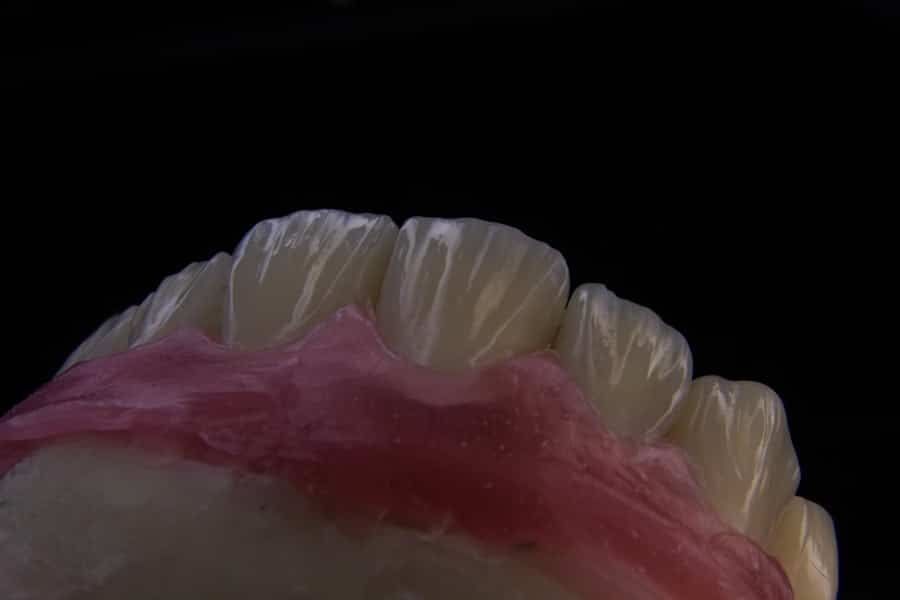
Pinpointing an exact average cost for a dental implant in McKinney, Texas, requires careful consideration of the factors discussed. However, we can provide a general range to help you set expectations. This is where we translate the abstract into tangible figures, giving you a ballpark estimate.
Single Tooth Implant Costs
For the replacement of a single missing tooth, the encompassing cost typically includes the surgical placement of the implant fixture, the abutment, and a custom-made dental crown. This is the most common scenario for dental implant procedures.
Implant Fixture and Surgery
The cost for the surgical placement of the implant fixture itself, including the dentist’s fee, anesthesia, and the implant component, can range from $1,800 to $3,000 in McKinney. This figure can fluctuate based on the complexity of the surgery and the implant brand used.
Abutment and Crown
The abutment and the custom-fabricated dental crown add to the total cost. The abutment typically ranges from $300 to $700, while a high-quality ceramic or zirconia crown can cost between $1,200 to $2,500.
Total Average for a Single Tooth Implant
Therefore, the average total cost for a single dental implant in McKinney, Texas, can fall within the range of $3,300 to $6,200. This is a broad estimate, and your individual needs may place you at the lower or higher end of this spectrum.
Costs for Multiple Implants or Full Mouth Restorations
When considering the replacement of multiple teeth or a full arch restoration, the costs can escalate significantly due to the increased number of components and the complexity of the procedures.
All-on-4 or All-on-6 Procedures
For full arch restorations like All-on-4 or All-on-6, where four or six implants support a full set of prosthetic teeth, the average cost in McKinney can range from $15,000 to $30,000 per arch. This price generally includes the surgical placement of the implants, the prosthetic bridge, and all associated laboratory and professional fees.
Cost of Replacing Several Individual Implants
If you require several individual implants to replace multiple missing teeth scattered throughout your mouth, the cost will be a multiple of the single-tooth implant cost, adjusted for potential efficiencies or increased complexity. For example, replacing three missing teeth with three individual implants could range from $9,900 to $18,600, assuming no complex bone grafting is required for each site.
Understanding Additional Costs and Potential Variances

Beyond the core components of implant surgery and restoration, several other factors can affect the overall financial picture. It’s like budgeting for a trip – you have the flight and hotel, but then there are meals, activities, and perhaps unexpected souvenirs. Being aware of these potential additions will prevent unwelcome surprises.
Pre-Implant Treatments and Preparations
As touched upon earlier, certain preparatory treatments are crucial for ensuring the success of dental implants, but they represent additional costs.
Bone Grafting and Sinus Lifts
The cost of bone grafting can vary significantly depending on the type and amount of bone material used and the complexity of the procedure. A single bone graft might cost between $500 to $2,500. Sinus lift procedures are generally more involved and can range from $1,000 to $3,000. These are investments in creating a stable foundation for your implants.
Tooth Extractions
If the tooth needing replacement is still present but unhealthy, an extraction will be necessary before implant placement. Standard tooth extractions can cost anywhere from $75 to $300 per tooth, while more complex surgical extractions may cost $150 to $600 or more.
Post-Implant Maintenance and Care
Dental implants, despite their durability, require ongoing maintenance to ensure their longevity and the health of your surrounding gums and bone.
Regular Dental Check-ups and Cleanings
Routine dental check-ups and professional cleanings are essential for maintaining the health of your implants and natural teeth. These visits are typically priced similarly to standard dental appointments, ranging from $75 to $200 per visit, depending on the services rendered.
Potential Complications or Replacement Parts
While rare, complications can arise, or individual components might need replacement over time. If an implant fixture fails to integrate or a crown chips or breaks (though rare with modern materials), these issues will incur additional costs for diagnosis, revision surgery, or replacement parts. It’s prudent to consider these as potential contingencies.
If you’re considering dental implants in McKinney, Texas, understanding the average cost per tooth is essential for budgeting your dental care. A related article that provides insights into dental implant costs in another location is available here, which can help you compare prices and make informed decisions. Exploring various factors that influence these costs can lead to better planning for your dental health needs.
Insurance and Financing Options for Dental Implants in McKinney
| Type of Dental Implant | Average Cost Per Tooth | Additional Procedures | Estimated Total Cost Range |
|---|---|---|---|
| Single Tooth Implant | 1800 – 2500 | Bone Grafting (if needed) | 2000 – 3500 |
| Implant with Crown | 2500 – 3500 | Sinus Lift (if needed) | 3000 – 4000 |
| All-on-4 Implants | 15000 – 25000 (full arch) | Extractions, Bone Grafting | 18000 – 30000 |
| Mini Dental Implants | 500 – 1500 | Usually no additional procedures | 500 – 1500 |
Navigating the financial aspect of dental implants can feel daunting, but understanding your insurance coverage and available financing options can significantly ease the burden. Think of these as lifelines that can help you reach your destination without being completely submerged in costs.
Dental Insurance Coverage for Implants
The extent to which your dental insurance covers implants varies widely. Many dental insurance plans consider implants to be a cosmetic procedure, while others may provide partial coverage, especially if the implant is deemed medically necessary to restore function.
Understanding Your Policy
It is crucial to thoroughly review your dental insurance policy or contact your provider directly to understand what coverage you have for:
- Surgical placement of the implant fixture: Some plans might cover a percentage of this cost.
- Abutment and crown: Coverage for these components can be more common, often at a percentage of the approved amount.
- Diagnostic procedures: X-rays and CT scans might be covered.
You will likely have deductibles, co-pays, and annual maximums to consider. Waiting periods for major procedures can also apply, so it’s imperative to check these details before embarking on treatment.
Medical Insurance and Dental Implants
In certain circumstances, particularly if the tooth loss resulted from an accident or an underlying medical condition, your medical insurance might offer some coverage for the surgical aspects of dental implant placement. This is less common but worth investigating with both your dental and medical insurance providers.
Financing and Payment Plans
For those without adequate insurance coverage or for out-of-pocket expenses, various financing options can make dental implants more accessible.
In-Office Payment Plans
Many dental practices in McKinney offer in-house financing or payment plans. These typically involve breaking down the total cost into manageable monthly installments, often with a set interest rate or even interest-free options for a promotional period. Discussing these arrangements directly with the dental office’s billing or administrative staff is the best approach to understand the terms.
Third-Party Dental Financing
Numerous third-party companies specialize in providing financing for dental procedures. These companies, such as CareCredit or LendingClub, offer loans specifically for healthcare expenses. They often have a straightforward application process, and you might be approved for a loan with low monthly payments and competitive interest rates, sometimes with interest-free promotional periods.
Traditional Bank Loans or Credit Cards
For larger sums, you might consider a traditional personal loan from a bank or utilizing a credit card with a favorable interest rate, especially if you have a good credit history. However, it’s important to weigh the interest rates and repayment terms carefully when choosing these options.
By thoroughly understanding the average costs, the contributing factors, and available financial resources in McKinney, Texas, you can approach your dental implant journey with greater confidence and make informed decisions that align with your oral health goals and financial well-being. This investment in your smile is an investment in your health, confidence, and quality of life for years to come.
FAQs
What is the average cost of a dental implant per tooth in McKinney, Texas?
The average cost for a single dental implant in McKinney, Texas typically ranges from $3,000 to $5,000. This price includes the implant placement, abutment, and crown but can vary based on the dentist and specific case requirements.
What factors influence the cost of dental implants in McKinney?
Several factors affect the cost, including the complexity of the procedure, the need for additional treatments like bone grafting, the type of implant used, the dentist’s experience, and the location of the dental practice.
Are dental implants covered by insurance in McKinney, Texas?
Dental insurance coverage for implants varies. Many dental insurance plans do not fully cover implants but may cover part of the procedure or related treatments. It is important to check with your insurance provider for specific coverage details.
How long does the dental implant procedure take in McKinney?
The dental implant process usually takes several months, including initial consultation, implant placement, healing time (osseointegration), and final crown placement. The timeline can vary depending on individual healing and any additional procedures needed.
Are there financing options available for dental implants in McKinney?
Yes, many dental offices in McKinney offer financing plans or work with third-party lenders to help patients manage the cost of dental implants. It is advisable to discuss payment options with your dental provider before starting treatment.