
You’re considering dental implants, a modern solution to tooth loss that can feel like a solid foundation for your smile. This article delves into the financial landscape of obtaining dental implants in Eldorado, McKinney, Texas, providing a factual overview to help you navigate the decision-making process. Think of this information as your personal compass, guiding you through the various cost components and influencing factors.
Dental implant surgery is a significant investment, both in terms of financial outlay and the long-term benefits it offers. Unlike dentures or bridges, implants are designed to be a permanent tooth replacement, integrating directly with your jawbone. This biological connection is the key to their stability and natural feel. The initial cost, while substantial, should be weighed against the potential for decades of improved function, aesthetics, and oral health.
The Foundation: What Exactly is a Dental Implant?
Before dissecting the costs, it’s crucial to understand what you’re paying for. A dental implant itself is a small, screw-like post, typically made of titanium, surgically placed into your jawbone. This post acts as an artificial tooth root. It’s the biocompatibility of titanium that allows your jawbone to fuse with the implant, a process known as osseointegration, creating a robust anchor.
The Titanium Post: The Core Component
The titanium screw is the bedrock of the implant system. Its quality and design are critical for successful integration. Manufacturers adhere to strict standards for medical-grade titanium. The price of this component will a part of the overall surgical fee.
The Abutment: The Connector Piece
Once the implant has integrated with your jawbone, an abutment is attached. This is a small connector that protrudes slightly above the gum line and serves as the bridge between the implant and the crown. The abutment is crucial for supporting the prosthetic tooth and ensuring proper alignment.
The Dental Crown: The Visible Tooth
The crown is the visible portion of your new tooth, designed to match the color, shape, and size of your natural teeth. Crowns can be made from various materials, including porcelain, ceramic, or porcelain-fused-to-metal (PFM), each with its own cost implications.
Why the Cost Varies: A Multifaceted Equation
The price tag for dental implants in Eldorado, McKinney, Texas isn’t a monolithic figure. It’s more like a mosaic, with each tile representing a different contributing factor. Several variables converge to create the final quote you’ll receive from your dentist. Understanding these elements will empower you to ask the right questions and make informed comparisons.
Geographic Location: The Eldorado and McKinney Effect
While Eldorado and McKinney are part of a larger metropolitan area, smaller local economic factors can still play a role. The cost of living, operational expenses for dental practices, and the demand for specialized services in a particular geographic region can influence pricing. As a more developed suburban area, McKinney may reflect higher overheads compared to more rural locales.
Dentist’s Expertise and Experience: The Master Craftsman
The skill and experience of your dental surgeon are paramount. A periodontist or oral surgeon with years of specialized training and a proven track record in implantology may command higher fees. This is akin to choosing a seasoned architect for a complex building project; their expertise brings a level of assurance and a reduced risk of complications.
Type of Implant System Used: The Brand and Technology
Dental implant systems are not standardized products. Different manufacturers offer varying designs, materials, and technological advancements. Some systems may be more established and extensively researched, while others might represent newer innovations. The choice of implant system can influence the material cost and the specific surgical protocols employed.
Complexity of the Case: The Individual Dental Landscape
Not everyone’s dental situation is the same. Some individuals may have sufficient bone density, while others might require bone grafting or sinus augmentation before implant placement. The presence of underlying oral health issues, such as gum disease, can also add layers of complexity to the treatment plan and, consequently, the cost.
The Tangible Costs: Breaking Down the Financial Components
The overall price of dental implants can be broken down into several distinct cost categories. It’s essential to understand each of these components to grasp the complete financial picture.
Initial Consultation and Diagnostic Fees: The Blueprint Phase
Your journey begins with a comprehensive consultation and diagnostic phase. This typically involves:
- Oral Examination: A thorough assessment of your oral health, including existing teeth, gums, and jawbone.
- Dental X-rays: Standard X-rays to evaluate bone structure and identify potential issues.
- 3D Cone Beam CT Scan (CBCT): This advanced imaging technique provides a detailed, three-dimensional view of your jawbone, crucial for precise implant planning. It’s like having a detailed topographical map of your bone, allowing the surgeon to plot the safest and most effective surgical path.
- Treatment Planning: The dentist will outline the proposed treatment, including the number of implants, type of abutment, and the chosen crown material.
The cost of these initial steps can range from $100 to $500, depending on the practice and the imaging techniques used.
Surgical Placement of the Implant: The Construction Begins
This is the core surgical procedure where the titanium post is placed into the jawbone. The cost of this phase will be a significant portion of the total.
- Implant Surgery Fee: This fee covers the surgeon’s time, expertise, the use of specialized surgical instruments, and the sterile operating environment. It also encompasses the initial placement of the titanium fixture. The price for this can typically range from $1,000 to $3,000 per implant.
Abutment Placement and Restoration: Connecting the Pieces
After a healing period, during which osseointegration occurs, the abutment is attached.
- Abutment Fee: This fee covers the abutment itself, which can be a standard pre-fabricated piece or a custom-milled one, and the procedure to attach it. The cost can range from $200 to $700.
Dental Crown Fabrication and Placement: The Finished Product
The final step involves creating and attaching the visible prosthetic tooth.
- Crown Cost: The price of the crown varies significantly based on the material.
- Porcelain-fused-to-metal (PFM) crowns: These are generally the most affordable, often costing between $700 to $1,500.
- All-ceramic or zirconia crowns: These offer superior aesthetics and durability but come at a higher price, typically ranging from $1,000 to $2,500 or more.
Material Choices for Your Crown: Aesthetics and Durability Trade-offs
The material selected for your crown is a key determinant of its cost and appearance. Porcelain offers a natural look but can be susceptible to chipping. Zirconia is incredibly strong and also aesthetically pleasing, making it a popular choice for discerning patients.
Custom vs. Stock Abutments: Precision and Price
While standard abutments are sufficient for many cases, some patients may require custom-milled abutments for optimal fit and aesthetic results, especially in challenging anterior (front) tooth positions. This customization adds to the overall cost.
Ancillary Procedures: Addressing Underlying Issues
In some cases, additional procedures are necessary to ensure the success of dental implants. These are like preparing the ground before laying the foundation of a house.
- Bone Grafting: If you have insufficient bone density in your jaw, a bone graft may be required to provide an adequate foundation for the implant. This can add $500 to $2,500 or more to the total cost, depending on the extent and type of graft material used.
- Sinus Lift (Sinus Augmentation): This procedure is performed when there is insufficient bone height in the upper jaw to accommodate an implant, typically in the posterior molar region. A sinus lift can add $1,000 to $3,500 or more.
- Tooth Extractions: If the implant is being placed in a site where a tooth needs to be removed, your dentist will factor in the cost of extraction, which can range from $100 to $300 per tooth.
- Gum Grafting: In instances where gum recession is present, gum grafting might be recommended to improve aesthetics and protect the implant, adding $300 to $1,000.
Anesthesia and Sedation: Ensuring Comfort During Procedures
The cost of anesthesia and any sedation used during the surgical procedures will also be factored in. This ensures your comfort and safety throughout the process. The type and duration of anesthesia will influence this cost.
The Intangible Value: Beyond the Dollar Amount
While the monetary costs are crucial, the intangible benefits of dental implants are where their true value lies. These are the aspects that cannot be easily quantified but profoundly impact your quality of life.
Restored Functionality: Eating, Speaking, and Smiling with Confidence
Dental implants are designed to mimic the function of natural teeth. They allow you to eat your favorite foods without restriction, speak clearly without worry of shifting prosthetics, and smile with uninhibited confidence. This restored functionality is a cornerstone of improved well-being.
Enhanced Aesthetics: A Smile That Looks and Feels Natural
Implants are aesthetically indistinguishable from natural teeth when properly placed and restored. They blend seamlessly with your existing dentition, contributing to a harmonious and attractive smile. You’re not just replacing a tooth; you’re restoring a part of your identity.
Long-Term Durability and Stability: A Permanent Solution
Unlike temporary or short-term dental solutions, dental implants are engineered for longevity. With proper care, they can last a lifetime. This long-term stability means you won’t face the recurring costs and inconveniences associated with other tooth replacement options.
Improved Oral Health and Jawbone Preservation: A Proactive Approach
When a tooth is lost, the underlying jawbone can begin to resorb, leading to a sunken facial appearance and further health complications. Dental implants stimulate the jawbone, preventing this resorption and maintaining facial structure. This is a proactive investment in your future oral health.
If you’re considering dental implants in Eldorado McKinney, Texas, it’s essential to understand the various factors that influence the costs involved. For a broader perspective on dental implant pricing, you might find it helpful to read a related article that discusses the costs for dental implants in Los Angeles, California. This article provides insights into pricing structures and can help you gauge what to expect in your local area. You can check it out here: Costs for Dental Implants in Los Angeles, California.
Navigating Financing and Insurance Options
Understanding the financial investment is one thing; figuring out how to pay for it is another. Fortunately, there are various avenues to explore to make dental implants more accessible. Think of these as different routes on your financial journey.
Dental Insurance: A Potential Lifeline
While many dental insurance plans do not cover the entirety of elective cosmetic procedures like dental implants, they may contribute to certain aspects of the treatment.
- Coverage for Surgical Components: Some policies may cover a portion of the surgical placement of the implant or the cost of the abutment, especially if deemed medically necessary.
- Coverage for Restorative Components: Similarly, insurance might offer partial coverage for the dental crown.
- Pre-authorization is Key: It is imperative to contact your insurance provider to understand your specific coverage and obtain pre-authorization before commencing treatment. This avoids unforeseen financial surprises down the line.
Payment Plans and Financing: Spreading the Load
Many dental practices in Eldorado and McKinney offer flexible payment options to help patients manage the cost of dental implants.
- In-Office Payment Plans: Some dentists provide in-house financing with interest-free or low-interest options, allowing you to spread payments over several months.
- Third-Party Financing: Dental practices often partner with specialized dental financing companies (e.g., CareCredit, LendingClub) that offer patient loans with various repayment terms and interest rates. These can be a valuable tool for covering the full cost.
- Negotiating Fees: While not always possible, it may be worth discussing the possibility of a slight discount for paying the full amount upfront or for undergoing multiple implant procedures at once.
Flexible Spending Accounts (FSAs) and Health Savings Accounts (HSAs): Tax-Advantaged Savings
If you have an FSA or HSA through your employer, these tax-advantaged accounts can be used to pay for a significant portion of your dental implant treatment.
- Pre-Tax Dollars: Contributions to these accounts are made with pre-tax dollars, meaning you reduce your taxable income.
- Qualified Medical Expenses: Dental implants, when deemed medically necessary, are typically considered qualified medical expenses for FSAs and HSAs.
Factors Influencing the Final Price in Eldorado, McKinney
The overarching cost of dental implants in Eldorado, McKinney, Texas is a composite figure. Several specific factors, beyond the general categories, will fine-tune the price you ultimately see on your treatment plan.
The Clinic’s Overhead and Operational Costs: The Business Engine
Dental practices, like any business, have operational costs that are reflected in their pricing.
- Rent and Utilities: The cost of maintaining a physical location in a desirable area like McKinney can be substantial.
- Staffing: Highly skilled dental professionals, hygienists, and administrative staff require competitive compensation.
- Technology and Equipment: Investing in state-of-the-art diagnostic and surgical equipment is essential for providing high-quality care.
The Dentists’ Fee Structure: A Reflection of Value
The fee structure established by a dental practice is a reflection of their perceived value and the services they offer.
- Comprehensive Care Providers: Practices that offer a full spectrum of dental implant services, from initial consultation to complex restorative work, may have a higher overall fee structure but can provide a more streamlined patient experience. This is like a one-stop shop for your dental needs.
- Specialist Fees: Dentists who specialize in periodontics or oral surgery will often have fees reflecting their specialized training and expertise.
The Surrounding Economic Climate: Wider Economic Ripples
The broader economic conditions in the Dallas-Fort Worth metroplex can subtly influence pricing.
- Demand for Services: In areas with high demand for advanced dental procedures, prices may naturally trend higher.
- Competition: The presence of numerous dental clinics offering implant services can sometimes lead to competitive pricing, but high-quality providers may maintain their price points based on reputation and outcomes.
What to Expect in The Eldorado, McKinney Dental Implant Process
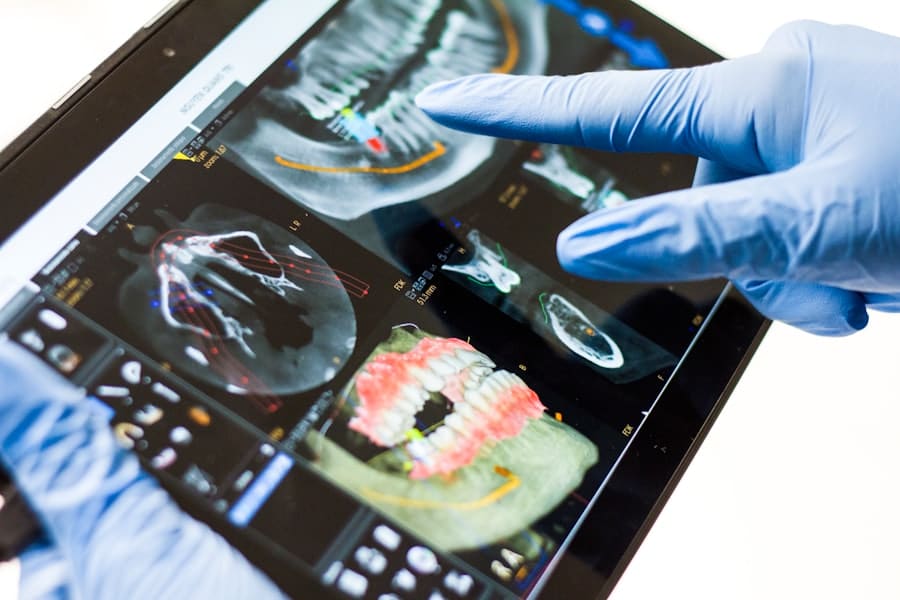
Embarking on the dental implant journey involves a series of appointments and a defined timeline. Understanding this process can help you anticipate the steps and associated costs.
Initial Consultation and Diagnostics: Laying the Groundwork
This is where your dental implant adventure begins. You’ll meet with your chosen dental professional to discuss your needs and assess your suitability for implants.
- Assessing Oral Health: A thorough examination will determine the health of your gums, remaining teeth, and jawbone.
- Imaging and Planning: X-rays and likely a CBCT scan will provide detailed anatomical information for precise treatment planning.
Surgical Implant Placement: The Core Procedure
This is the surgical phase where the titanium posts are embedded into your jawbone.
- Procedure Duration: The surgery itself can take anywhere from 30 minutes to several hours, depending on the number of implants being placed and any necessary bone grafting.
- Recovery Period: Initial healing typically takes a few weeks, during which the implant integrates with the bone.
Abutment Placement and Impression Taking: Preparing for Restoration
Once osseointegration is complete, the abutment is attached.
- Abutment Attachment: This is a relatively quick procedure.
- Impressions for Crown Fabrication: Precise impressions are taken to ensure the custom crown fits perfectly.
Crown Fabrication and Placement: The Final Smile
The dental laboratory will fabricate your custom crown, and then it will be permanently attached to the abutment.
- Lab Work: The creation of a high-quality dental crown can take a couple of weeks.
- Final Placement: This is the exciting moment when you see your new, functional tooth.
Timeline for the Entire Process: Patience is a Virtue
The entire dental implant process, from initial consultation to the final crown placement, can take anywhere from six months to over a year. This extended timeline is necessary to allow for proper healing and integration of the implant with your jawbone. Rushing this process would be like expecting a skyscraper to be built in a month – it’s unrealistic and jeopardizes the structural integrity.
If you’re considering dental implants in Eldorado McKinney, Texas, it’s essential to understand the various factors that can influence the overall costs. A helpful resource that provides insights into dental implant pricing in different regions is an article discussing the costs for dental implants in Cleveland, Ohio. You can read more about it here. This information can give you a broader perspective on what to expect when planning for your dental procedure.
Seeking Clarity and Making an Informed Decision
| Procedure | Estimated Cost | Description | Notes |
|---|---|---|---|
| Initial Consultation | 100 – 200 | Examination and treatment planning | May be waived if treatment proceeds |
| Dental Implant Placement | 1500 – 2500 | Surgical placement of titanium implant post | Cost varies by implant type and complexity |
| Abutment Placement | 500 – 800 | Connector piece between implant and crown | Usually done after healing period |
| Dental Crown | 1000 – 1800 | Custom-made prosthetic tooth | Material affects cost (porcelain, zirconia, etc.) |
| Bone Grafting (if needed) | 300 – 1200 | Procedure to build up jawbone | Required if bone loss is significant |
| CT Scan / Imaging | 150 – 400 | 3D imaging for precise implant placement | May be included in consultation fee |
| Follow-up Visits | 50 – 150 per visit | Post-operative checkups | Number of visits varies by case |
When it comes to dental implants, transparency and informed consent are paramount. Don’t hesitate to ask questions and seek clarification to ensure you fully understand both the procedure and the associated costs.
Questions to Ask Your Dentist: Your Toolkit for Information
To navigate the financial aspects and treatment plan effectively, arm yourself with a list of questions:
- What is the total estimated cost for my specific treatment plan?
- Can you provide a detailed breakdown of all anticipated charges?
- Are there any potential additional costs I should be aware of (e.g., unexpected complications)?
- What type of implant system and crown material do you recommend, and why?
- What are the payment options available, and do you offer financing plans?
- What is the expected timeline for my treatment?
- What are the success rates for dental implants at your practice?
- What is your experience and training in dental implantology?
Comparing Quotes: Ensuring Value and Quality
Once you have received quotes from several reputable dental practices in Eldorado or McKinney, compare them carefully.
- Don’t Base Decisions Solely on Price: While cost is a significant factor, it should not be the sole determinant. Consider the dentist’s experience, the technology used, the quality of materials, and the overall patient experience. A lower price might indicate a compromise in quality or a less experienced provider, which can lead to more costly problems down the line.
- Understand What’s Included: Ensure that all essential components and procedures are included in each quote. Some practices may list certain services separately.
By gathering comprehensive information and asking the right questions, you can approach the decision of getting dental implants in Eldorado, McKinney, Texas with confidence, knowing you are making a well-informed investment in your long-term oral health and overall well-being.
FAQs
What factors influence the cost of dental implants in Eldorado McKinney, Texas?
The cost of dental implants in Eldorado McKinney, Texas, is influenced by factors such as the number of implants needed, the type of implant used, the complexity of the procedure, any additional treatments required (like bone grafts), and the dentist’s experience and location.
What is the average price range for a single dental implant in Eldorado McKinney?
The average cost for a single dental implant in Eldorado McKinney, Texas, typically ranges from $3,000 to $5,000. This price usually includes the implant, abutment, and crown but can vary based on individual cases.
Are dental implants covered by insurance in Eldorado McKinney, Texas?
Dental implant coverage varies by insurance plan. Many dental insurance policies do not fully cover implants but may cover parts of the procedure, such as the crown or consultation. It is important to check with your insurance provider for specific coverage details.
Can payment plans or financing options help manage the cost of dental implants?
Yes, many dental offices in Eldorado McKinney offer payment plans or financing options to help patients manage the cost of dental implants. These plans can spread out payments over time, making the procedure more affordable.
Are there any additional costs associated with dental implants besides the implant itself?
Yes, additional costs may include diagnostic imaging (like X-rays or CT scans), bone grafting if needed, sedation or anesthesia fees, and follow-up visits. These can add to the overall cost of dental implant treatment.