
Chandler Arizona Dental Implants Cost
You’re considering dental implants in Chandler, Arizona, and the question of cost is likely at the forefront of your mind. This is a significant investment in your oral health and overall well-being, and understanding the financial landscape is crucial.
This article provides a comprehensive overview of the factors influencing dental implant costs in Chandler, Arizona, helping you navigate the process with clarity.
Before delving into the specifics of cost, it’s important to understand what you’re paying for. Dental implants are not merely cosmetic enhancements; they are a sophisticated restorative solution designed to mimic the form and function of natural teeth.
At their core, dental implants are small, screw-like posts, typically made of biocompatible titanium, surgically placed into your jawbone. These posts then serve as sturdy anchors for replacement teeth, whether it be a single crown, a bridge, or even a full set of dentures.
The Anatomy of an Implant: Understanding the Components
The cost of dental implants is intrinsically tied to the components involved. Each piece plays a vital role in the long-term success and aesthetic outcome of the procedure.
The Dental Implant Post
This is the anchor that integrates with your jawbone. The material (usually titanium) and the post’s design can influence its price. Some manufacturers may use more advanced materials or employ specific surface treatments to promote osseointegration, the process by which bone fuses to the implant.
The Abutment
Once the implant has integrated with the bone, an abutment is attached. This connector piece protrudes from the gum line and supports the final prosthetic. Abutments can be made from various materials, including titanium, gold alloy, or zirconia, each carrying its own cost implications. The complexity of the abutment, such as custom milling, can also increase the cost.
The Prosthetic Restoration (Crown, Bridge, or Denture)
This is the visible replacement tooth or teeth. The material used for the restoration significantly impacts the cost.
Porcelain-Fused-to-Metal (PFM) Crowns
These are a more traditional option, offering a blend of strength and aesthetics. The metal substructure provides durability, while the porcelain layer provides a natural-looking tooth surface. While generally more affordable than all-ceramic options, they can sometimes present a darker line at the gum if recession occurs.
All-Ceramic Crowns (e.g., Zirconia, E-max)
All-ceramic crowns, particularly those made from zirconia or lithium disilicate (E-max), offer superior aesthetics and biocompatibility. Zirconia is known for its exceptional strength and natural translucency, making it a popular choice for front teeth. E-max offers a highly aesthetic and translucent appearance. These materials are generally more expensive than PFM.
Implant-Supported Bridges and Dentures
For patients requiring multiple tooth replacements, implant-supported bridges or dentures offer a stable and natural-feeling solution. The cost will be higher than for single crowns due to the increased number of implants and the larger prosthetic structures.
The Surgical Procedure: A Key Cost Driver
The actual surgical placement of the implant is a critical component of the overall expense. This is a delicate procedure performed by a qualified dental professional, often a periodontist or an oral surgeon specializing in implantology.
The Surgeon’s Expertise and Fees
The experience, reputation, and specialization of the dental surgeon will naturally affect their fees. Highly experienced surgeons with a proven track record of successful implant placements may command higher rates.
Anesthesia and Sedation Options
Depending on your comfort level and the complexity of the procedure, you may opt for local anesthesia, conscious sedation, or even general anesthesia. These options vary in cost, with deeper levels of sedation generally more expensive.
The Surgical Facility and Equipment
The cost of maintaining a safe, sterile, and well-equipped surgical facility, as well as the use of specialized instruments, contributes to the overall expense of the surgery.
If you’re considering dental implants in Chandler, Arizona, understanding the associated costs is crucial for making an informed decision. For a broader perspective on dental implant pricing, you might find it helpful to read a related article that discusses the costs for dental implants in Ogden, Utah.
This article provides insights into the factors that influence dental implant prices, which can be beneficial for anyone exploring options across different locations. You can check it out here: Costs for Dental Implants in Ogden, Utah.
Unveiling the Price Tag: Average Costs in Chandler, Arizona
While providing a precise figure without an individual consultation is impossible – as each case is as unique as a fingerprint – we can explore the general cost ranges you might encounter for dental implants in Chandler, Arizona. These figures are estimates and can fluctuate based on the factors discussed herein.
Single Tooth Replacement: A Common Scenario
Replacing a single missing tooth with a dental implant is a popular and highly effective solution.
Approximate Cost Range for a Single Implant
For a single dental implant in Chandler, Arizona, encompassing the implant post, abutment, and a porcelain crown, you can generally expect to invest somewhere in the range of $3,000 to $6,000 or more per tooth. This is a broad spectrum, and the specifics will determine its position within it.
Factors Influencing the Single Implant Cost
- Type of Crown Material: As discussed, zirconia or E-max crowns will generally be at the higher end of this spectrum compared to PFM.
- Complexity of Placement: Simple, straightforward implant placements will be less costly than those requiring bone grafting or sinus lifts.
- Dentist’s Fee Structure: Different dental practices will have unique pricing models.
Full-Mouth Rehabilitation: A More Extensive Undertaking
When multiple teeth or an entire arch are missing, a full-mouth rehabilitation using dental implants becomes a more significant financial undertaking.
Understanding Implant-Supported Dentures and Bridges
Instead of individual implants for every missing tooth, dentists often use strategically placed implants to support a full arch of prosthetic teeth. This can be achieved with implant-supported dentures (removable or fixed) or implant-supported bridges.
Estimated Cost for Full-Mouth Implants
The cost of a full-mouth rehabilitation using dental implants in Chandler, Arizona, can range widely, typically from $15,000 to $60,000 or higher. This wide variation is due to the number of implants required, the type of prosthetic used, and the complexity of the surgical procedures.
Elements Contributing to Full-Mouth Cost
- Number of Implants: More implants generally mean a higher cost.
- Type of Prosthetic: Fixed implant-supported bridges are usually more expensive than removable implant-supported dentures.
- Additional Procedures: Bone grafting, sinus lifts, and other preparatory surgeries will add to the overall expense.
The Value Proposition: Why Dental Implants Are More Than Just a Cost
It’s easy to get caught up in the numbers, but it’s crucial to view the cost of dental implants not as an expense, but as a long-term investment in your health and quality of life.
Durability and Longevity: A Permanent Solution
Unlike traditional dentures or bridges that may need replacement or adjustments over time, dental implants, with proper care, can last a lifetime. This long-term durability can make them more cost-effective in the long run.
Improved Oral Health: Preventing Further Issues
Missing teeth can lead to a cascade of problems. The remaining teeth can shift, the jawbone can start to resorb (deteriorate), and your bite can become misaligned. Dental implants halt this deterioration and help maintain the integrity of your oral structures.
Enhanced Quality of Life: Eating, Speaking, and Smiling with Confidence
The ability to eat your favorite foods without worry, speak clearly, and smile with confidence is invaluable. Dental implants restore these fundamental aspects of daily life, impacting your social interactions and overall self-esteem.
Beyond the Sticker Price: Additional Factors Influencing Your Bill
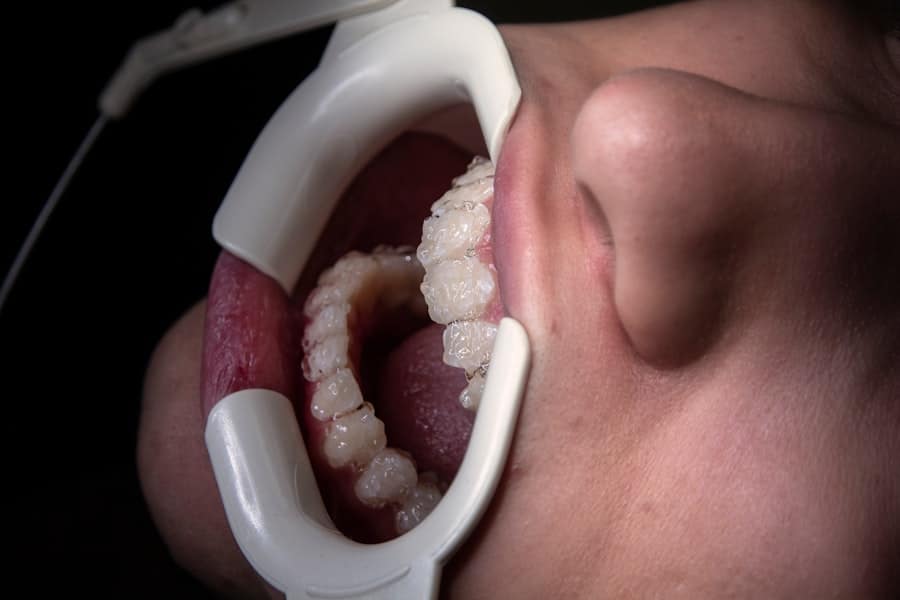
The initial quote for dental implants might not always be the final figure. Several other elements can contribute to the overall cost, and you should be aware of them.
The Importance of Pre-Implant Assessments and Diagnostics
Before any surgical work begins, a thorough evaluation of your oral health is paramount. This phase lays the groundwork for successful treatment but also incurs associated costs.
Comprehensive Dental Examinations
A detailed examination by your dentist, including a review of your medical and dental history, is the first step.
Digital X-rays and 3D Imaging (CBCT Scans)
To accurately assess your jawbone density, nerve locations, and sinus cavities, advanced imaging techniques are often employed. Cone Beam Computed Tomography (CBCT) scans provide detailed 3D views, which are essential for precise implant placement. These advanced diagnostic tools represent a significant portion of the initial assessment cost.
Impressions and Study Models
Creating physical or digital models of your teeth and jaw helps in treatment planning and the fabrication of your prosthetic.
The Necessity of Preparatory Procedures
In many cases, your jawbone may not be robust enough to support an implant, or other anatomical considerations may require intervention before implant placement.
Bone Grafting
If bone loss has occurred due to tooth loss or periodontal disease, bone grafting may be necessary. This procedure involves adding bone material – either from your own body or a donor source – to augment the jawbone and provide a stable foundation for the implant. This adds a significant layer of cost, as it involves a separate surgical procedure and specialized materials.
Sinus Lift (Sinus Augmentation)
For implants placed in the upper jaw, if the sinus cavity is too close to the proposed implant site, a sinus lift may be required. This procedure gently lifts the sinus membrane and adds bone graft material to create adequate space for the implant. Like bone grafting, this is an additional surgical step with associated costs.
Tooth Extractions
If the tooth to be replaced is still present but diseased or damaged beyond repair, it will need to be extracted before implant placement. The cost of extraction varies depending on the complexity of the tooth.
Post-Operative Care and Maintenance: Sustaining Your Investment
Your journey with dental implants doesn’t end with the final restoration. Ongoing care is essential for maintaining their health and longevity.
Follow-Up Appointments
Regular check-ups with your dentist are crucial for monitoring the implant’s integration, the health of the surrounding gums, and the overall condition of the prosthetic.
Professional Cleanings
Maintaining excellent oral hygiene is paramount. Even with implants, regular professional cleanings are necessary to prevent peri-implantitis, an inflammation of the gums around the implant, which can lead to implant failure.
Potential for Future Adjustments or Replacement
While implants are designed for longevity, in rare instances, adjustments to the abutment or prosthetic might be needed. The prosthetic crown or bridge itself may eventually require replacement due to wear and tear, though this is typically many years down the line.
Navigating Financing: Making Dental Implants Accessible
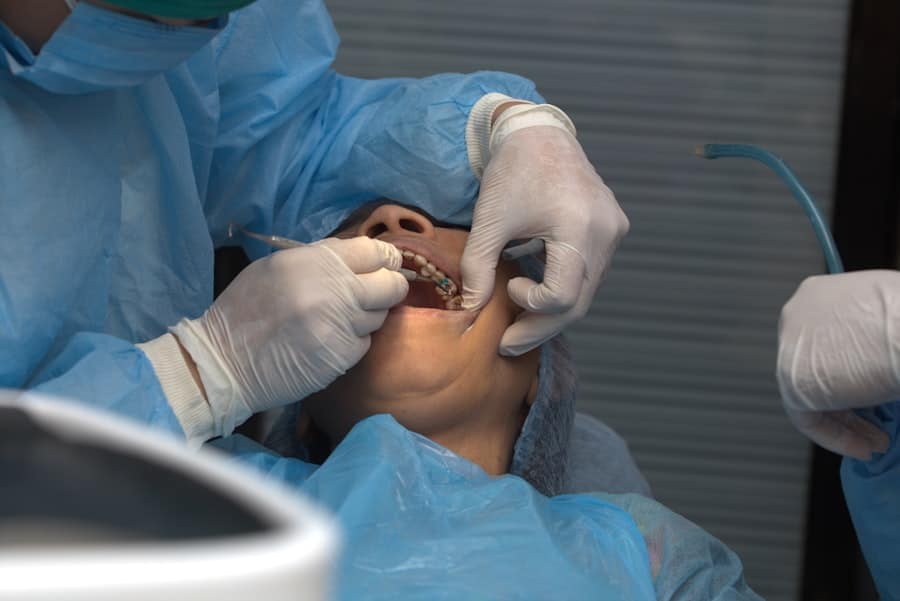
The financial commitment for dental implants can be substantial. Fortunately, there are various avenues to explore for financing and making this vital treatment more attainable.
Insurance and Financial Assistance
While dental insurance coverage for implants can be limited, it’s essential to review your policy thoroughly.
Dental Insurance Coverage
Many dental insurance plans offer some coverage for implants, though it can vary significantly. Often, implants are treated as a major restorative procedure, and you may have an annual maximum benefit. It’s crucial to contact your insurance provider to understand your specific coverage details for implant procedures, abutments, and prosthetic restorations. Some plans may require pre-authorization.
Flexible Spending Accounts (FSAs) and Health Savings Accounts (HSAs)
If you have an FSA or HSA through your employer, these pre-tax dollars can be used to pay for qualified medical and dental expenses, including dental implants. This can offer a significant tax advantage.
Payment Plans and Dental Financing Options
Many dental practices in Chandler, Arizona, offer flexible payment solutions to help manage the cost of dental implants.
In-House Payment Plans
Some dental offices offer in-house financing, allowing you to spread the cost over several months with manageable installments. These plans often have no interest if paid within a certain timeframe.
Third-Party Dental Financing Companies
Numerous specialized dental financing companies offer loans for dental procedures. Companies like CareCredit or LendingClub are popular options that provide competitive interest rates and flexible repayment terms. You can apply for these financing options online or through your dental provider.
Discussing Financial Options with Your Dentist
Openly discussing your financial concerns with your dental provider is crucial. They can guide you through the available payment options and help you find a solution that fits your budget. Don’t hesitate to ask for a detailed cost breakdown and to explore all financing options.
When considering dental implants in Chandler, Arizona, it’s important to understand the various factors that influence the overall cost. Many patients find it helpful to compare prices and services with other locations. For instance, an insightful article discussing the costs for dental implants in Carmel, Indiana, can provide a broader perspective on what to expect.
You can read more about it in this related article, which outlines the pricing and options available in a different region, helping you make a more informed decision about your dental care.
The Chandler, Arizona Dental Implant Consultation: Your First Step Towards a Brighter Smile
| Type of Dental Implant | Average Cost | Procedure Details | Typical Recovery Time | Additional Notes |
|---|---|---|---|---|
| Single Tooth Implant | 1500 – 3000 | Implant post, abutment, and crown | 3 to 6 months | Most common implant type |
| Multiple Teeth Implants | 4000 – 8000 | Multiple implants with bridges | 4 to 6 months | Cost varies by the number of teeth |
| Full Mouth Implants | 20000 – 50000 | Implants supporting full dentures | 6 to 12 months | Includes All-on-4 or All-on-6 options |
| Bone Grafting (if needed) | 500 – 3000 | Bone augmentation before implant | 3 to 6 months | Required if the jawbone is insufficient |
| Consultation and Imaging | 100 – 300 | X-rays, CT scans, and an exam | Same day | Initial step before treatment |
The most critical step in understanding the cost of dental implants in Chandler, Arizona, tailored to your specific needs, is to schedule a consultation with a qualified dental professional. This is where the abstract numbers begin to solidify into a personalized plan.
What to Expect During Your Consultation
Your initial consultation is a vital opportunity to gather information, ask questions, and establish a clear path forward.
Medical and Dental History Review
The dentist will review your overall health and dental history to assess your suitability for dental implants and identify potential challenges.
Oral Examination and Diagnostic Imaging
A thorough visual inspection of your mouth will be conducted, likely accompanied by X-rays and potentially a CBCT scan, to evaluate your bone structure, existing teeth, and gum health.
Discussion of Treatment Options and Goals
The dentist will discuss different implant treatment approaches that best suit your situation and your desired outcomes. This is your chance to voice your concerns and aspirations.
Detailed Cost Estimate and Financing Options
Following the examination and assessment, you will receive a comprehensive treatment plan outlining the proposed procedures and materials, along with an itemized cost estimate. This is also when you can explore available financing and payment plans.
Choosing the Right Dental Professional in Chandler
Selecting the right dentist or oral surgeon is as important as understanding the cost. Look for professionals with experience and a strong track record in implant dentistry.
Credentials and Specialization
Ensure your dental surgeon is board-certified and has extensive training and experience specifically in implantology.
Patient Testimonials and Reviews
Online reviews and testimonials from previous patients can provide valuable insights into the quality of care and patient satisfaction.
Technology and Modern Techniques
A practice that utilizes advanced technology, such as 3D imaging and digital smile design, often indicates a commitment to precise and effective treatment.
The cost of dental implants in Chandler, Arizona, is a multifaceted equation influenced by the complexity of your case, the materials used, the expertise of your dental team, and any necessary preparatory procedures.
While the initial investment may seem significant, by understanding the value and exploring the available financing options, you can make an informed decision about this transformative treatment that promises enduring benefits for your oral health and overall well-being.
Your journey to a complete, confident smile begins with a conversation – engage with your Chandler dental professional to unlock possibilities.
FAQs
What factors influence the cost of dental implants in Chandler, Arizona?
The cost of dental implants in Chandler, Arizona, can be influenced by several factors, including the number of implants needed, the type of implant used, the complexity of the procedure, the need for additional treatments, such as bone grafts, and the specific dental clinic’s pricing.
What is the average cost range for dental implants in Chandler, Arizona?
On average, dental implants in Chandler, Arizona, cost $1,500 to $3,500 per implant. This price typically includes the implant placement but may not cover additional procedures or the crown.
Does dental insurance cover the cost of dental implants in Chandler?
Many dental insurance plans do not fully cover dental implants, but some may cover a portion of the cost or related procedures. It is important to check with your insurance provider to understand your specific coverage.
Are there financing options available for dental implants in Chandler?
Yes, many dental offices in Chandler offer financing plans or payment options to help patients manage the cost of dental implants. These can include monthly payment plans or third-party financing services.
How long do dental implants typically last, and does this affect their cost-effectiveness?
Dental implants are designed to be a long-term solution and can last 20 years or more with proper care. Their durability and success rate often make them a cost-effective option compared to other tooth replacement methods over time.
Maps Of Chandler, Arizona
Weather In Chandler, Arizona
[simple-weather location=”Chandler, Arizona”]
Here is one Chandler Arizona Dental Implants
Chandler Arizona Dental Implants
Chandler Implants & Periodontics
Dental implants periodontist
800 W Chandler Blvd # 1
Scholes Periodontics and Implants
Dental implants periodontist
595 N Dobson Rd B#34
Aspire Dental & Implants – Chandler
Dentist
4959 W Ray Rd Suite 37
RELATED TOPICS ABOUT Chandler Arizona Dental Implants Cost
Affordable Dental Implants Chandler Arizona
Cost-effective Tooth Implants Chandler AZ
Best Price Dental Implants In Chandler
Low-cost Dental Implants In Chandler Arizona
Chandler Arizona Dental Implant Pricing
Cost Comparison For Dental Implants In Chandler
Dental Implant Procedure Cost In Chandler AZ
Average Price For Dental Implants In Chandler
Dental Implants Cost Breakdown In Chandler AZ
Full Mouth Dental Implants Cost Chandler Arizona