
Dental Implant Services Cost in Frisco
You may be considering dental implant services in Frisco, Texas, to restore your smile and oral function. Understanding the costs associated with this transformative procedure is a crucial step in your decision-making. Dental implants are a significant investment, akin to building a robust foundation for a house, designed to be a permanent solution for tooth loss.
This article aims to provide you with a factual overview of the factors influencing dental implant costs in Frisco, helping you navigate the financial landscape with clarity.
The expense of dental implant services in Frisco is not a single, monolithic figure. It’s a composite, built from several distinct elements, each contributing to the overall price tag. When you embark on this journey, you’re not just paying for a tooth replacement; you’re investing in advanced surgical techniques, high-quality materials, and the expertise of dental professionals.
Think of it as assembling a complex piece of machinery; each component, from the screw that anchors the implant to the crown that graces your smile, plays a vital role and carries its own associated cost.
Surgical Placement of the Dental Implant Fixture
The initial, and often the largest, component of dental implant cost is the surgical placement of the implant fixture. This titanium post is surgically embedded into your jawbone, serving as the artificial root of your missing tooth.
The Titanium Post
The material science behind the titanium implant accounts for a portion of its cost. Medical-grade titanium is biocompatible, meaning it integrates seamlessly with your bone tissue, a process known as osseointegration. This integration is fundamental to the long-term success and stability of the implant. The manufacturing of these precise titanium posts, designed to withstand the forces of chewing over many years, involves specialized processes that contribute to their price.
Anesthesia and Sedation
During the surgical placement, you will require anesthesia to ensure comfort and minimize any potential pain. The type of anesthesia used—local, nitrous oxide, or intravenous sedation—will influence the cost. Local anesthesia is typically the most cost-effective option, while more profound sedation or general anesthesia will increase overall expense. The administering dentist’s expertise in providing these anesthetic services is also factored into the pricing.
The Surgical Procedure Itself
The complexity and duration of the surgical procedure are also key determinants. Factors such as the number of implants being placed, the condition of your jawbone, and whether additional procedures like bone grafting are necessary will affect the time and skill required of the surgeon. A straightforward single implant placement will naturally be less expensive than multiple implants requiring more intricate surgical planning and execution.
The Abutment and Its Role
Following successful osseointegration of the implant fixture, the next phase involves attaching an abutment. This is a small connector that bridges the gap between the implant fixture embedded in your jawbone and the visible crown.
Types of Abutments
Abutments come in various forms, including stock abutments and custom-milled abutments. Stock abutments are pre-fabricated and generally less expensive. Custom-milled abutments, on the other hand, are precisely shaped to fit your specific anatomy and bite, offering a more aesthetically pleasing and functional outcome, but at a higher cost. The choice between these options is often guided by the dentist’s assessment of your individual needs.
Material of the Abutment
The material of the abutment can also influence the price. Titanium and zirconia are common choices. Zirconia abutments, while offering excellent aesthetics and biocompatibility, can sometimes be more expensive than their titanium counterparts. The dentist will recommend the best material based on factors such as the implant’s location and your bite force.
The Dental Crown: The Visible Tooth Replacement
The dental crown is the final piece of the puzzle, the visible tooth that you will use to chew and smile with. This prosthetic tooth is custom-made to match the color, shape, and size of your natural teeth.
Crown Materials
The material choice for your dental crown significantly affects its cost.
- Porcelain Fused to Metal (PFM) Crowns: These crowns have a metal substructure covered with porcelain. They offer good durability and are often more affordable than all-ceramic options. However, the metal margin can sometimes be visible at the gum line.
- All-Ceramic Crowns (e.g., Zirconia, E-max): These crowns are made entirely of ceramic materials. They offer superior aesthetics, mimicking the translucency of natural enamel. Zirconia crowns are powerful and fracture-resistant, making them ideal for back teeth. E-max (lithium disilicate) offers excellent aesthetics and is often used for front teeth. These advanced ceramic materials, while providing the most natural look and feel, represent a higher investment.
- Porcelain-on-Metal (POM): Similar to PFM, but the porcelain layer is applied differently and can be more prone to chipping.
Customization and Shade Matching
The artistry involved in precisely matching the crown’s color and shade to your existing teeth is a critical factor. This meticulous work, performed by skilled dental technicians in a laboratory, ensures a seamless integration with your smile and contributes to the overall cost. The more complex the shade matching and custom contouring required, the higher the laboratory fees will be.
If you’re considering dental implants in Frisco, understanding the associated costs is crucial for making an informed decision. For a comprehensive breakdown of the expenses involved in dental implant services in this area, you can refer to the article on costs, which provides valuable insights and detailed information. To learn more, visit this link.
Additional Procedures That Can Affect Dental Implant Costs
While the core components of implant placement, abutment, and crown form the bulk of the expense, specific preparatory or complementary procedures can add to the overall financial outlay. These are often necessary to ensure the long-term success and stability of your dental implants.
Bone Grafting for Insufficient Bone Density
In cases where your jawbone has atrophied due to tooth loss or gum disease, it may not be sufficiently dense or voluminous to support a dental implant. In such instances, bone grafting becomes a necessary precursor to implant surgery.
Types of Bone Grafts
- Autografts: Bone is taken from another part of your own body (e.g., hip, chin). This offers excellent integration but involves another surgical site.
- Allografts: Bone material is sourced from a human donor.
- Xenografts: Bone material is derived from animal sources (commonly bovine).
- Alloplasts: Synthetic bone substitutes are used.
The type of bone graft material used and the complexity of the grafting procedure will influence the cost. The harvesting and processing of donor or synthetic bone materials increase their expense.
The Surgical Procedure for Bone Grafting
The bone grafting procedure itself requires surgical expertise and time, similar to the implant placement surgery. The extent of the grafting required—whether it’s a small localized graft or a more extensive reconstruction—will directly impact the surgical fees.
Sinus Lift Procedures
For implants intended for the upper jaw, particularly in the posterior region, the proximity of the maxillary sinus can pose a challenge. If the bone height is insufficient due to this proximity, a sinus lift procedure may be necessary to augment the bone volume in the sinus floor.
Types of Sinus Lifts
- Open Sinus Lift: Involves creating a flap in the gum tissue to access the sinus cavity and lift the membrane. Bone graft material is then placed beneath the lifted membrane.
- Closed Sinus Lift (Internal Sinus Augmentation): Performed simultaneously with implant placement, where the implant is used to help lift the sinus membrane. This is less invasive but only suitable for minor bone augmentation.
The invasiveness and technique employed for the sinus lift will contribute to the overall cost.
Tooth Extraction
If the tooth requiring replacement is still present and failing, an extraction will be necessary before implant placement. The complexity of the extraction (simple vs. surgical) can affect its cost.
Simple Extractions
These involve fully erupted teeth that can be removed with instruments such as elevators and forceps.
Surgical Extractions
These are required for impacted, broken, or complex-rooted teeth. Surgical extractions often involve incisions, bone removal, and sutures, making them more time-consuming and expensive.
Factors Influencing Dental Implant Costs in Frisco
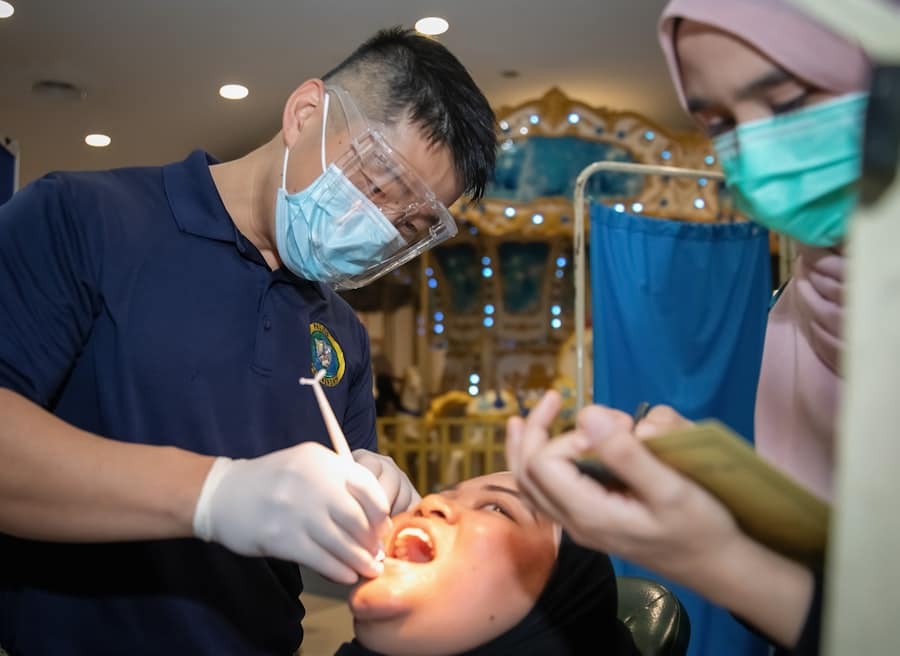
While the specific services involved are universal, the actual figures you encounter in Frisco can vary. Several localized and practitioner-specific factors contribute to this price variation. Think of these as the different currents and eddies in a river; they can subtly alter the flow and speed of the water.
Dentist’s Experience and Specialization
The expertise and specialization of the dental professional performing your implant procedure significantly influence the cost. A periodontist or an oral and maxillofacial surgeon who has undergone extensive specialized training in implantology and complex surgical procedures may charge higher fees than a general dentist with advanced implant training.
Board Certification and Advanced Training
Dentists who are board-certified in their respective specialties often invest more in their education and professional development. This commitment to advanced training and staying abreast of the latest techniques and technologies can be reflected in their service costs.
Years of Practice and Case Volume
A dentist with a long history of successful implant placements and a high volume of such procedures may have a more streamlined process and a proven track record, which can influence their pricing.
Location and Overhead Costs in Frisco
Frisco, like many burgeoning metropolitan areas, has its own economic dynamics. The cost of real estate for dental practices, practice staff salaries, and the general cost of doing business in a desirable location can contribute to higher overhead for dental clinics. This, in turn, can be reflected in the overall cost of services.
Premium Practice Locations
Practices located in prime commercial areas or high-traffic zones within Frisco may have higher rental or ownership costs, which are factored into their pricing.
Sophisticated Practice Technology
Dental clinics that invest in cutting-edge technology—such as 3D cone-beam computed tomography (CBCT) scanners for precise imaging, intraoral scanners for digital impressions, or advanced surgical equipment—incur significant capital expenses. These investments are often passed on to patients in the form of service costs, but they also contribute to more accurate diagnoses and more predictable surgical outcomes.
Laboratory Fees
The fabrication of dental crowns, bridges, and, in some cases, abutments is outsourced to dental laboratories. The cost of these laboratory services varies based on the complexity of the restoration, the materials used, and the laboratory’s reputation.
Quality of Materials and Craftsmanship
High-quality dental laboratories that utilize premium materials and employ highly skilled dental technicians will naturally have higher fees. These labs produce restorations that are more durable, aesthetically pleasing, and precisely fit the implant components.
Digital Workflow vs. Traditional Impression Techniques
Practices that use digital workflows with intraoral scanners and CAD/CAM (Computer-Aided Design/Computer-Aided Manufacturing) technology for restorations may have different laboratory fee structures than those that rely on traditional PVS impressions. While digital workflows can sometimes streamline the process, the lab’s initial technology investment also plays a role.
Estimating the Overall Cost of Dental Implants in Frisco
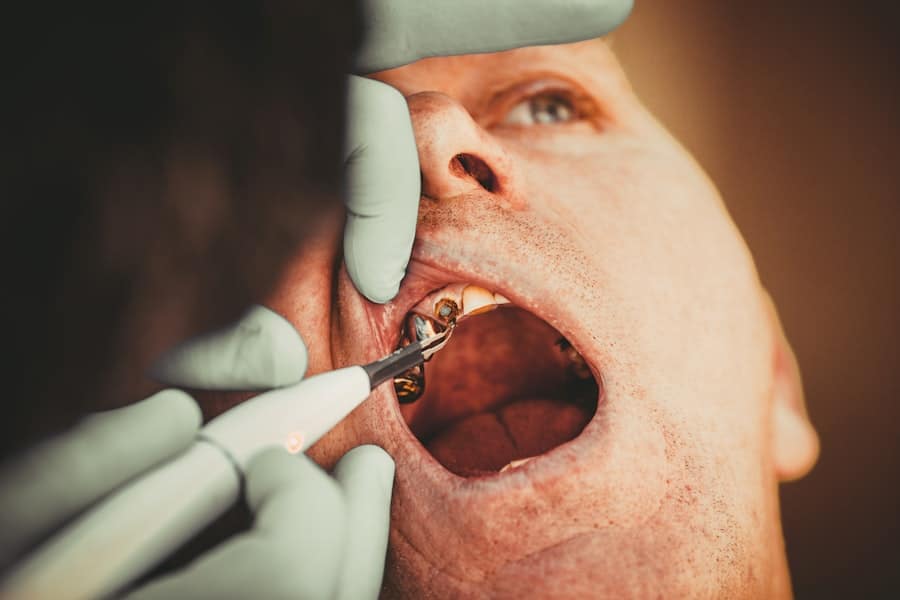
Providing a precise, universal cost for dental implants in Frisco is challenging due to the multitude of variables involved. However, you can develop realistic expectations by understanding the typical ranges and the factors that push costs to the higher or lower ends of that spectrum.
Average Cost Ranges for Single Dental Implants
For a single dental implant, including the implant fixture, abutment, and a standard porcelain crown, you can anticipate a cost range generally from $3,000 to $6,000 or more in Frisco. This is a broad approximation, and individual cases can fall outside these parameters.
Factors Influencing the Lower End of the Range
- Straightforward cases with excellent bone density.
- Use of stock abutments.
- Porcelain-fused-to-metal crowns.
- General dentists with extensive implant experience.
Factors Influencing the Higher End of the Range
- Need for bone grafting or sinus lift procedures.
- Custom abutments.
- High-quality all-ceramic crowns (e.g., zirconia).
- Specialized surgeons (periodontists, oral surgeons).
- Practices with advanced diagnostic technology.
Costs for Full Arch Dental Implants (e.g., All-on-4®)
For patients requiring replacement of multiple teeth, particularly a full arch, procedures like All-on-4® or similar implant-supported fixed dentures are common. These comprehensive solutions involve the placement of strategically positioned implants (typically four to six) to support acompletel set of prosthetic teeth.
The All-on-4® Concept
This technique leverages the jawbone’s inherent strength by placing implants at specific angles. The associated cost for an All-on-4® restoration typically ranges from $20,000 to $30,000 per arch and can extend beyond that. This price includes the surgical placement of multiple implants, specialized abutments, and the fabrication of the full-arch prosthesis.
Other Full Arch Implant Options
Other methods, such as implant-supported bridges or removable implant overdentures (which attach to implants but can be removed by the patient), will have different cost structures. Implant-supported bridges are generally less expensive than All-on-4® but may require more implants. Removable overdentures are the most cost-effective implant-retained option but offer less stability than fixed prostheses.
The Impact of Complementary Procedures
As mentioned, procedures like bone grafting and sinus lifts are additional surgical interventions.
Bone Grafting Costs
A bone graft can add anywhere from $500 to $3,500 or more to the overall implant cost, depending on the type of graft material and the extent of the augmentation required.
Sinus Lift Costs
A sinus lift procedure can typically add $1,000 to $3,000 or more to the cost, again depending on the technique and the complexity.
When considering dental implant services, understanding the costs involved is crucial for making an informed decision. For those in Frisco, a related article offering valuable insights into the costs of dental implants can be found at this link. This resource outlines various factors that influence dental implant pricing, helping potential patients better navigate their options and budget accordingly.
Financial Considerations and Payment Options
While the upfront cost of dental implants can seem substantial, it’s crucial to consider their long-term value and benefits. Implants are designed to last a lifetime with proper care, providing a stable, functional, and aesthetically pleasing solution for tooth loss.
Durability and Longevity
Unlike traditional dentures or bridges, which may need replacement every 5-15 years, dental implants, when cared for, can last for decades. This longevity can make them a more cost-effective solution over the long term, avoiding the need for repeated replacements.
Prevention of Further Oral Health Issues
Tooth loss can lead to a cascade of further oral health problems. Adjacent teeth can shift into the gap, leading to misalignment of the bite. The jawbone can resorb, leading to facial collapse and difficulty supporting existing teeth. Dental implants help prevent these issues by preserving jawbone structure and maintaining proper tooth alignment. This proactive approach can save you significant future dental treatment costs.
Improved Quality of Life
Beyond the financial aspect, the impact of dental implants on your quality of life is immeasurable. Regaining the ability to eat your favorite foods without discomfort, speak clearly, and smile confidently can significantly boost your self-esteem and overall well-being. This restoration of function and confidence is arguably the most valuable aspect of the investment.
By understanding each component of the cost, considering the influencing factors in Frisco, and exploring available financial options, you can make an informed decision to invest in dental implants with greater knowledge and confidence. Remember, this is an investment in your health, your appearance, and your future quality of life.
FAQs
What factors influence the cost of dental implant services in Frisco?
The cost of dental implant services in Frisco can vary based on factors such as the number of implants needed, the type of implant used, the complexity of the procedure, any additional treatments required (like bone grafting), and the dental clinic’s pricing structure.
Are dental implant consultations in Frisco typically free or paid?
Many dental clinics in Frisco offer free or low-cost initial consultations to evaluate your dental health and discuss implant options. However, it is best to confirm with the specific clinic beforehand.
Does dental insurance usually cover dental implant procedures in Frisco?
Dental insurance coverage for implants varies widely. Some plans may cover part of the procedure, while others may not cover implants at all. It is essential to check with your insurance provider and the dental office to understand coverage details.
How long does the dental implant process take in Frisco?
The dental implant process generally takes several months, including an initial consultation, implant placement, osseointegration (usually 3-6 months), and placement of the final crown or prosthesis.
Are there financing options available for dental implant services in Frisco?
Many dental offices in Frisco offer financing plans or work with third-party lenders to help patients manage the cost of dental implants. Patients should inquire about payment plans and financing options during their consultation.
Maps Of Frisco, Texas
Weather In Frisco, Texas
[simple-weather location=”Frisco, Texas”]
Here is one Dental Implant Services Cost in Frisco
Dental Implant Services Cost in Frisco
Texas Center for Oral Surgery & Dental Implants
Oral surgeon
6960 Parkwood Blvd #300
West Frisco Dental and Implants
Dental clinic
10050 Legacy Dr #600
Frisco Periodontics and Dental Implants
Periodontist
9191 Kyser Way 601 Suite #601