
Dental implants are sophisticated dental devices designed to replace missing teeth. They consist of a titanium post that is surgically inserted into the jawbone, acting as a sturdy foundation for artificial teeth. This post integrates with the bone through a process called osseointegration, creating a strong and durable anchor for crowns, bridges, or dentures.
Unlike traditional dentures or bridges, which can be removable and may require adjustments over time, dental implants offer a permanent solution that mimics the function and appearance of natural teeth. You may find it fascinating that dental implants have been used for decades, evolving significantly in design and technique. The materials used in implants are biocompatible, meaning they are designed to work harmoniously with your body.
This innovation allows for a more natural feel and function, making it easier for you to eat, speak, and smile confidently. As you consider your options for tooth replacement, understanding the mechanics and benefits of dental implants can help you make an informed decision.
Key Takeaways
- Dental implants are artificial tooth roots that are placed in the jaw to support a replacement tooth or bridge.
- The benefits of dental implants include improved appearance, speech, comfort, and oral health.
- Candidates for dental implants should have good oral and overall health, adequate bone in the jaw, and a commitment to oral hygiene.
- The dental implant procedure involves a consultation, implant placement, healing period, and attachment of the replacement tooth.
- Aftercare and maintenance of dental implants include regular oral hygiene, dental check-ups, and avoiding damaging habits.
The Benefits of Dental Implants
One of the most significant advantages of dental implants is their durability. With proper care, they can last a lifetime, making them a cost-effective solution in the long run. Unlike other tooth replacement options that may need to be replaced or adjusted over time, dental implants provide a stable and reliable foundation.
This longevity means you can enjoy your favorite foods without worrying about your teeth shifting or becoming uncomfortable. Another benefit is the positive impact on your oral health. When you lose a tooth, the surrounding bone can begin to deteriorate due to lack of stimulation.
Dental implants help preserve the jawbone by providing the necessary stimulation through chewing and biting. This not only maintains your facial structure but also prevents further tooth loss. Additionally, dental implants do not require altering adjacent teeth, as is often necessary with bridges, preserving your natural tooth structure.
Are You a Candidate for Dental Implants?
Determining whether you are a candidate for dental implants involves several factors, including your overall health and the condition of your jawbone. Generally, if you are in good health and have sufficient bone density to support the implant, you may be a suitable candidate. However, certain medical conditions, such as uncontrolled diabetes or autoimmune diseases, may affect your eligibility.
Consulting with a dental professional can provide clarity on your specific situation. Age is another consideration; while there is no upper age limit for receiving dental implants, younger patients should wait until their jawbone has fully developed. If you have experienced tooth loss due to injury or decay, it’s essential to discuss your options with a dentist who specializes in implants.
They can evaluate your oral health and recommend the best course of action tailored to your needs.
The Dental Implant Procedure
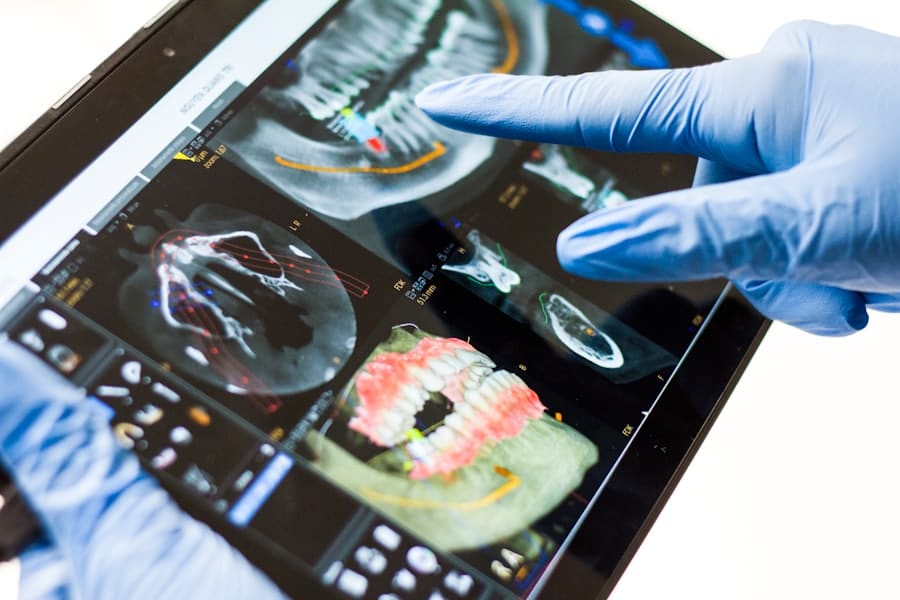
The dental implant procedure typically involves multiple stages, beginning with a thorough consultation and examination. Your dentist will take X-rays and possibly 3D images of your jaw to assess bone density and plan the placement of the implant accurately. Once you are deemed a suitable candidate, the first step is the surgical placement of the titanium post into the jawbone.
This procedure is usually performed under local anesthesia or sedation to ensure your comfort. After the implant is placed, a healing period follows, during which osseointegration occurs. This process can take several months as the bone fuses with the implant, creating a solid foundation.
Once healing is complete, an abutment is attached to the implant, which will hold the crown or prosthetic tooth in place. Finally, impressions are taken to create a custom crown that matches your natural teeth in color and shape. The entire process may take several months but results in a permanent solution that feels and functions like real teeth.
Aftercare and Maintenance of Dental Implants
Caring for dental implants is similar to maintaining natural teeth, which is one of their appealing aspects. You should brush and floss daily to keep your mouth healthy and prevent plaque buildup around the implant site. Regular dental check-ups are essential for monitoring the health of your gums and ensuring that the implant remains secure.
Your dentist may recommend specific cleaning techniques or tools to help you maintain optimal oral hygiene. In addition to routine care, it’s important to avoid habits that could jeopardize your implants. For instance, smoking can hinder healing and increase the risk of implant failure.
If you grind your teeth at night, consider discussing protective measures with your dentist to prevent unnecessary stress on your implants. By following these aftercare guidelines and maintaining regular dental visits, you can enjoy the benefits of your dental implants for many years.
Choosing the Right Dental Implant Specialist

Selecting the right dental implant specialist is crucial for ensuring a successful outcome. Look for a dentist who has extensive experience in implantology and is well-versed in the latest techniques and technologies. You may want to ask about their training and credentials, as well as their success rates with previous patients.
Reading reviews and testimonials can also provide insight into their practice and patient satisfaction. During your initial consultation, pay attention to how comfortable you feel with the specialist. A good dentist will take the time to answer your questions thoroughly and explain each step of the process clearly.
They should also be willing to discuss any concerns you may have regarding the procedure or aftercare. Building a trusting relationship with your dental implant specialist can significantly enhance your overall experience.
Understanding the Cost of Dental Implants
The cost of dental implants can vary widely based on several factors, including the complexity of your case, the type of implant used, and any additional procedures required, such as bone grafting or sinus lifts. On average, you might expect to pay more for dental implants than for traditional dentures or bridges; however, considering their longevity and benefits, many find them to be a worthwhile investment. Insurance coverage for dental implants can also differ significantly among plans.
Some policies may cover part of the cost while others do not include implants at all. It’s advisable to check with your insurance provider to understand what is covered and explore financing options if needed. Many dental practices offer payment plans or financing solutions that can make dental implants more accessible.
Common Misconceptions about Dental Implants
There are several misconceptions surrounding dental implants that can lead to confusion or hesitation about pursuing this treatment option. One common myth is that dental implants are painful; however, most patients report minimal discomfort during and after the procedure due to advancements in anesthesia and pain management techniques. The healing process may involve some soreness, but this is typically manageable with over-the-counter pain relievers.
Another misconception is that dental implants require extensive maintenance compared to other tooth replacement options. In reality, caring for implants is quite similar to caring for natural teeth—regular brushing, flossing, and dental check-ups are all that’s needed to keep them in good condition. By dispelling these myths, you can approach the idea of dental implants with greater confidence.
When considering tooth replacement options, it’s essential to weigh the pros and cons of each choice available to you. Traditional dentures are often less expensive upfront but can lead to bone loss over time due to lack of stimulation in the jawbone. They may also require frequent adjustments and can be uncomfortable or inconvenient for some individuals.
Bridges are another option but involve altering adjacent teeth for support, which can compromise their integrity over time. In contrast, dental implants provide a standalone solution that preserves surrounding teeth and supports jaw health. By understanding these differences, you can make an informed decision that aligns with your lifestyle and long-term oral health goals.
Success Stories of Dental Implant Patients
Many patients have experienced life-changing results after receiving dental implants. For instance, individuals who struggled with eating or speaking due to missing teeth often find renewed confidence after their treatment. Success stories frequently highlight how patients have regained their ability to enjoy favorite foods without discomfort or embarrassment.
Moreover, many patients report significant improvements in their self-esteem and social interactions following their implant procedure. The natural appearance of dental implants allows them to smile freely without feeling self-conscious about gaps in their teeth. These success stories serve as powerful testimonials to the effectiveness of dental implants as a long-term solution for tooth loss.
Finding Dental Implants in Chandler, AZ 85225
If you’re considering dental implants in Chandler, AZ 85225, there are numerous qualified specialists available to assist you on your journey toward restoring your smile. Start by researching local practices online; many offer detailed information about their services, patient testimonials, and before-and-after photos showcasing their work. You might also consider scheduling consultations with multiple dentists to find one who aligns with your needs and comfort level.
During these visits, ask about their experience with dental implants and any specific techniques they use that could benefit you. By taking these steps, you’ll be well on your way to finding a trusted professional who can help you achieve a beautiful and functional smile through dental implants.
If you’re considering dental implants in Chandler, AZ 85225, it’s essential to understand the costs involved. A helpful resource that outlines the expenses associated with dental implants can be found in this article on costs in Hampton, Virginia. You can read more about it by visiting this link. This information can provide valuable insights as you explore your options for dental restoration.
FAQs
What are dental implants?
Dental implants are artificial tooth roots that are surgically placed into the jawbone to support a replacement tooth or bridge.
Who is a good candidate for dental implants?
Good candidates for dental implants are individuals with good oral health, adequate bone in the jaw to support the implant, and healthy gum tissues.
What are the benefits of dental implants?
Dental implants provide a natural-looking and long-lasting solution for replacing missing teeth. They also help preserve the jawbone and maintain the structure of the face.
What is the success rate of dental implants?
The success rate of dental implants is high, with an average success rate of 95% over a 10-year period.
What is the process for getting dental implants?
The process for getting dental implants involves a consultation, implant placement surgery, healing period, and placement of the artificial tooth or bridge.
Are there any risks or complications associated with dental implants?
While dental implants have a high success rate, there are potential risks and complications, such as infection, nerve damage, and implant failure. It’s important to discuss these with a qualified dentist before undergoing the procedure.
How do I care for dental implants?
Caring for dental implants involves practicing good oral hygiene, including regular brushing, flossing, and dental check-ups. It’s also important to avoid chewing on hard objects and to quit smoking, as these can affect the success of the implants.