
When considering dental implants, the type you choose plays a crucial role in the overall success of your treatment. There are primarily two types of dental implants: endosteal and subperiosteal. Endosteal implants are the most common and are placed directly into the jawbone.
They typically consist of a small titanium post that serves as a root for the artificial tooth. On the other hand, subperiosteal implants are placed under the gum but above the jawbone, making them suitable for patients who may not have sufficient bone height for an endosteal implant. Understanding these options will help you make an informed decision that aligns with your dental needs.
Your specific situation will dictate which type of implant is best for you. Factors such as bone density, oral health, and personal preferences all come into play. For instance, if you have experienced significant bone loss, your dentist may recommend a subperiosteal implant or suggest additional procedures to prepare your jaw for an endosteal implant.
By discussing these options with your dental professional, you can ensure that you select the type of implant that will provide the best long-term results.
Key Takeaways
- The type of dental implant depends on the patient’s specific needs and oral health condition.
- The number of implants needed is determined by the patient’s jawbone structure and the restoration required.
- The material used for the implant varies, with options such as titanium and zirconia available.
- The location of the dental implant clinic should be convenient for the patient and offer a comfortable environment.
- The experience and qualifications of the dentist are crucial for a successful dental implant procedure.
The Number of Implants Needed
The number of implants required is another critical factor to consider when planning your dental restoration. If you are missing a single tooth, one implant may suffice to support a crown. However, if you have multiple missing teeth, you might need several implants to support a bridge or a full denture.
Understanding how many implants you need will not only affect the treatment plan but also influence the overall cost and recovery time. Moreover, the number of implants can also impact the stability and functionality of your dental restoration. For example, a full arch restoration may require fewer implants than individual ones for each missing tooth, thanks to advancements in implant technology that allow for greater support with fewer posts.
Your dentist will evaluate your specific case and recommend the optimal number of implants to ensure that your new teeth function effectively and look natural.
The Material Used for the Implant
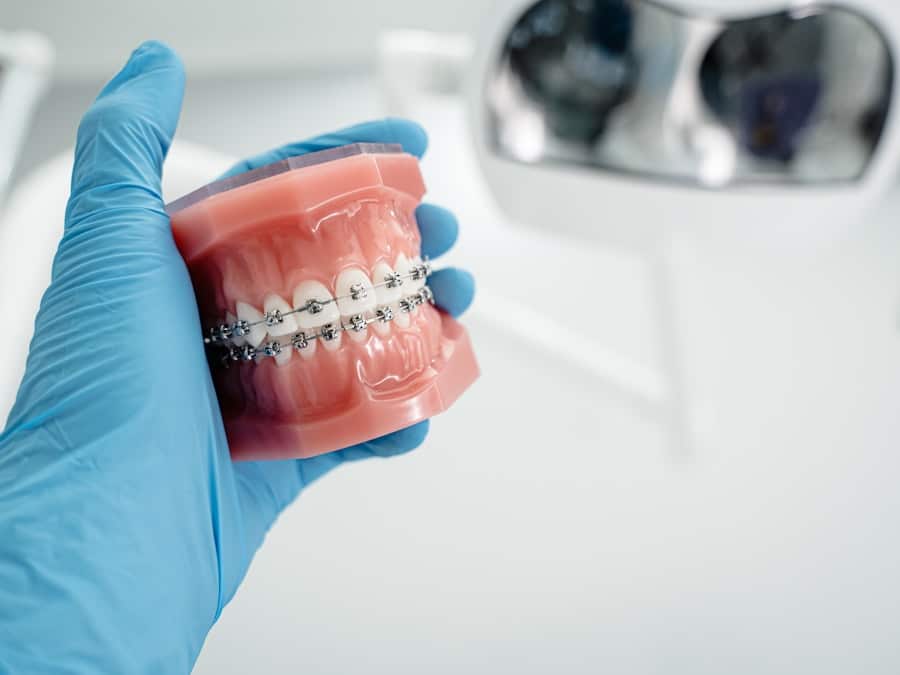
The material used in dental implants is paramount to their success and longevity. Most modern implants are made from titanium, a biocompatible material that integrates well with bone tissue. This integration process, known as osseointegration, is essential for the stability of the implant.
However, some patients may have allergies or sensitivities to titanium, leading them to consider alternatives such as zirconia implants. Zirconia is a ceramic material that offers aesthetic advantages due to its tooth-like color and is also biocompatible. When choosing the material for your dental implant, it’s essential to discuss your options with your dentist.
They can provide insights into the benefits and drawbacks of each material based on your unique circumstances. Factors such as your oral health, aesthetic preferences, and any existing allergies will guide this decision, ensuring that you receive an implant that meets both functional and cosmetic needs.
The Location of the Dental Implant Clinic
The location of your dental implant clinic can significantly influence your treatment experience. Proximity to your home or workplace can make it easier to attend appointments and follow-up visits, which are crucial for monitoring the healing process. Additionally, choosing a clinic in a reputable area can provide peace of mind regarding the quality of care you will receive.
Moreover, consider the accessibility of the clinic in terms of transportation options and parking facilities. A conveniently located clinic can reduce stress and make it easier for you to commit to your treatment plan. Researching local clinics and reading reviews from previous patients can also help you find a facility that meets your expectations in terms of both location and quality of service.
The Experience and Qualifications of the Dentist
The experience and qualifications of your dentist are paramount when it comes to dental implants. You want to ensure that you are in capable hands, as the success of your procedure largely depends on the skill and expertise of the professional performing it. Look for dentists who specialize in implant dentistry and have undergone additional training beyond their general dental education.
In addition to formal qualifications, consider the dentist’s track record with similar cases. Reading patient testimonials and asking about their experience with specific types of implants can provide valuable insights into their capabilities. A dentist who has successfully placed numerous implants will likely have refined techniques and a deeper understanding of potential complications, ensuring that you receive the best possible care throughout your treatment journey.
In some cases, additional procedures may be necessary before placing dental implants. One common procedure is bone grafting, which is often required if you have experienced significant bone loss in your jaw. Bone grafting involves taking bone from another part of your body or using synthetic materials to build up the jawbone, providing a stable foundation for the implant.
Understanding whether you need additional procedures is crucial for planning your treatment timeline and budget. Your dentist will conduct thorough examinations, including X-rays or 3D imaging, to assess your bone structure and determine if grafting is necessary. While these additional steps may extend the overall treatment time, they are essential for ensuring that your dental implants have the best chance of success.
The Complexity of the Case
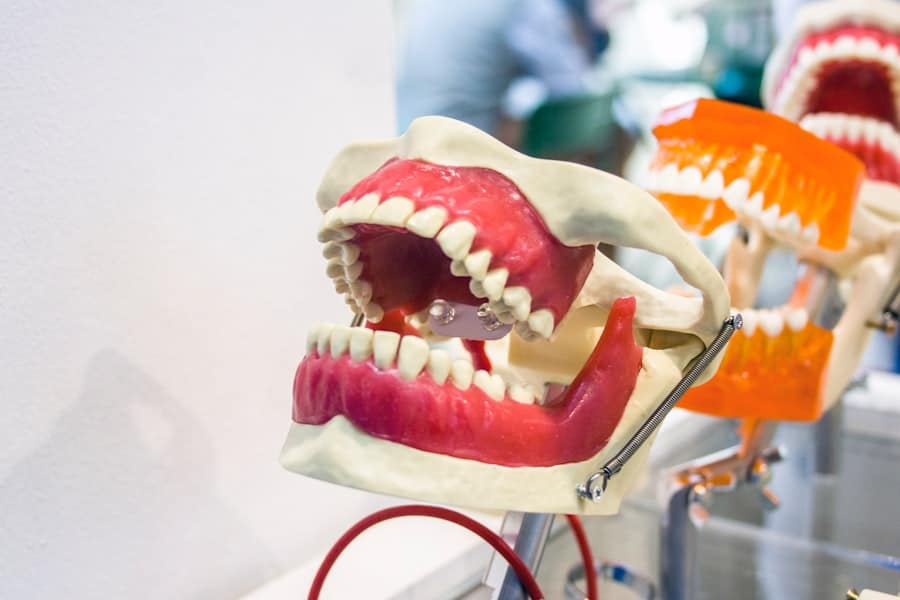
The complexity of your dental case can significantly impact both the treatment process and the associated costs. Simple cases involving single tooth replacements may require less time and fewer resources than more complex situations involving multiple missing teeth or significant bone loss. If your case is deemed complex, it may necessitate advanced techniques or additional procedures, which can increase both time and financial investment.
Your dentist will evaluate various factors during your initial consultation to determine the complexity of your case. This assessment will include examining your oral health history, current dental condition, and any underlying issues that may complicate treatment. By understanding the complexity involved, you can better prepare yourself for what lies ahead in terms of both time commitment and financial considerations.
Before undergoing dental implant surgery, several pre-implant procedures may incur costs that should be factored into your overall budget. These can include diagnostic imaging such as X-rays or CT scans, consultations with specialists, and any necessary preliminary treatments like extractions or bone grafts. Understanding these costs upfront will help you avoid surprises later in the process.
It’s essential to discuss these potential expenses with your dentist during your initial consultation. They can provide a detailed breakdown of what to expect financially before moving forward with treatment. Additionally, many dental practices offer financing options or payment plans to help manage these costs more effectively, making it easier for you to proceed with your dental restoration without financial strain.
The type of restoration you choose to accompany your dental implants is another critical consideration in your treatment plan. Depending on how many teeth you are replacing and their location in your mouth, options may include crowns for single tooth replacements, bridges for multiple adjacent missing teeth, or dentures for full arch restorations. Each type has its own advantages and considerations that should be discussed with your dentist.
Your choice of restoration will not only affect aesthetics but also functionality and comfort. For instance, crowns provide a natural look and feel for single tooth replacements but may not be suitable if multiple teeth are missing in a row. Conversely, dentures can restore an entire arch but may require more maintenance and adjustments over time.
By discussing these options with your dentist, you can select a restoration type that best meets your needs while ensuring optimal results.
The Quality of the Dental Implant
The quality of the dental implant itself is paramount to its long-term success and durability. High-quality implants are typically made from premium materials like titanium or zirconia and undergo rigorous testing to ensure they meet industry standards. Investing in quality implants can lead to better integration with bone tissue and reduce the risk of complications down the line.
When selecting an implant provider, inquire about the brands they use and their reputation within the industry. Some manufacturers are known for their innovative designs and superior materials that enhance implant longevity and performance. By prioritizing quality over cost alone, you can ensure that your investment in dental implants pays off in terms of both functionality and aesthetics.
The Inclusion of Aftercare and Follow-up Visits
Aftercare is an often-overlooked aspect of dental implant treatment but is crucial for ensuring successful healing and integration of the implant into your jawbone. Your dentist will provide specific aftercare instructions tailored to your individual needs, which may include dietary restrictions, pain management strategies, and guidelines for oral hygiene during recovery. Follow-up visits are equally important as they allow your dentist to monitor healing progress and address any concerns that may arise post-surgery.
These appointments provide an opportunity for adjustments if necessary and ensure that everything is proceeding as planned. By committing to aftercare and attending follow-up visits diligently, you can significantly enhance the likelihood of a successful outcome from your dental implant procedure. In conclusion, navigating the world of dental implants involves numerous considerations that can significantly impact both your treatment experience and long-term satisfaction with results.
From understanding the types of implants available to evaluating costs associated with pre-implant procedures, each factor plays a vital role in shaping your journey toward restored oral health. By engaging in open discussions with your dentist about these elements, you can make informed decisions that align with both your needs and expectations.
When considering the factors that influence dental implant costs in Frisco, TX, it’s helpful to look at similar markets for comparison. For instance, an article discussing the costs of dental implants in Santa Clarita, California, provides valuable insights into regional pricing variations and factors that can affect overall expenses. You can read more about it in this article: Costs for Dental Implants in Santa Clarita, California.
FAQs
What factors can affect the cost of dental implants in Frisco, TX?
Some factors that can affect the cost of dental implants in Frisco, TX include the number of implants needed, the type of implant material used, the need for additional procedures such as bone grafting or sinus lifts, and the experience and expertise of the dental implant specialist.
Does dental insurance typically cover the cost of dental implants?
Dental insurance coverage for dental implants can vary widely. Some plans may cover a portion of the cost, while others may not cover implants at all. It’s important to check with your insurance provider to understand what is covered under your plan.
Are there financing options available for dental implant procedures?
Many dental offices in Frisco, TX offer financing options for dental implant procedures. This can include payment plans, third-party financing, or assistance in navigating healthcare financing options.
What are the potential long-term cost savings of dental implants compared to other tooth replacement options?
While the upfront cost of dental implants may be higher than other tooth replacement options, such as dentures or bridges, they can offer long-term cost savings. Dental implants are durable and can last a lifetime with proper care, whereas other options may need to be replaced or repaired over time.
How can I find a reputable and affordable dental implant specialist in Frisco, TX?
To find a reputable and affordable dental implant specialist in Frisco, TX, you can start by asking for recommendations from your regular dentist or friends and family. You can also research online and read reviews to find a specialist with a good reputation and competitive pricing.