
Implant retained dentures are a modern solution for individuals who have lost most or all of their teeth. Unlike traditional dentures that rest on the gums, these dentures are anchored securely to dental implants that are surgically placed into the jawbone. This innovative approach not only enhances stability but also improves overall oral function.
You may find that implant retained dentures offer a more natural feel and appearance compared to their conventional counterparts, allowing you to enjoy your favorite foods and speak with confidence. The implants themselves are typically made of titanium, a biocompatible material that integrates well with bone. Once the implants are placed, they undergo a healing process known as osseointegration, where the bone grows around the implant, securing it firmly in place.
After this healing period, custom dentures are attached to the implants, providing you with a durable and reliable solution for tooth loss. This method not only restores your smile but also helps maintain the structure of your jawbone, preventing the bone loss that often accompanies tooth loss.
Key Takeaways
- Implant Retained Dentures are a type of denture that is supported by dental implants, providing a more secure and stable fit.
- The benefits of implant retained dentures include improved chewing ability, better speech, and prevention of bone loss in the jaw.
- The process of getting implant retained dentures involves a consultation, implant surgery, and placement of the denture.
- Good candidates for implant retained dentures are individuals with sufficient bone density in the jaw and good overall oral health.
- Implant retained dentures are compared to traditional dentures in terms of stability, comfort, and long-term cost-effectiveness.
The Benefits of Implant Retained Dentures
One of the most significant benefits of implant retained dentures is their stability. Unlike traditional dentures that can shift or slip while eating or speaking, implant retained options remain securely in place. This stability allows you to enjoy a wider variety of foods without fear of discomfort or embarrassment.
You may find that you can bite into crunchy apples or enjoy a juicy steak without worrying about your dentures moving out of position. Another advantage is the preservation of jawbone health. When teeth are lost, the underlying bone can begin to deteriorate over time due to lack of stimulation.
Implant retained dentures help to stimulate the jawbone, promoting its health and preventing further bone loss. This not only maintains your facial structure but also contributes to your overall oral health. Additionally, many patients report improved comfort and confidence with implant retained dentures, as they feel more like natural teeth than traditional options.
The Process of Getting Implant Retained Dentures
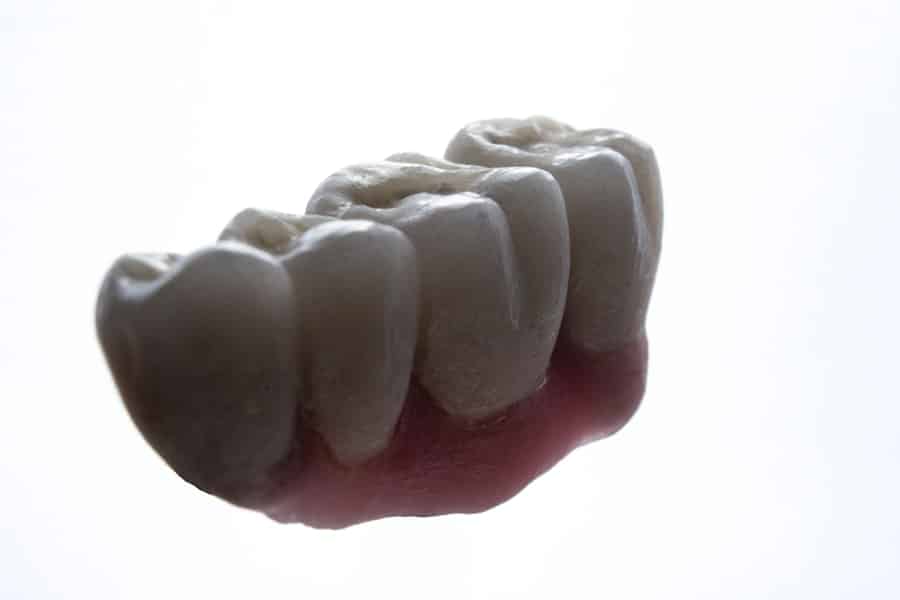
The journey to obtaining implant retained dentures typically begins with a comprehensive consultation with your dentist or oral surgeon. During this initial appointment, your dental professional will evaluate your oral health, take X-rays, and discuss your specific needs and goals. This assessment is crucial in determining whether you are a suitable candidate for the procedure and what type of implants and dentures will work best for you.
Once you have been deemed a good candidate, the next step involves the surgical placement of the dental implants. This procedure is usually performed under local anesthesia or sedation to ensure your comfort. After the implants are placed into the jawbone, a healing period of several months is necessary for osseointegration to occur.
During this time, you may be provided with temporary dentures to help you maintain your appearance and function. After healing, your dentist will create custom dentures that fit securely onto the implants, completing the process and restoring your smile.
Who is a Good Candidate for Implant Retained Dentures?
Determining whether you are a good candidate for implant retained dentures involves several factors related to your oral health and lifestyle. Generally, individuals who have lost most or all of their teeth and have sufficient jawbone density are ideal candidates. If you have experienced significant bone loss, your dentist may recommend procedures such as bone grafting to enhance your jawbone’s structure before proceeding with implants.
Additionally, good overall health is essential for successful implant placement and healing. Conditions such as uncontrolled diabetes or certain autoimmune diseases may affect your candidacy. Your dentist will conduct a thorough evaluation and discuss any medical conditions that could impact the success of the procedure.
If you are committed to maintaining good oral hygiene and follow post-operative care instructions, you are likely to be an excellent candidate for implant retained dentures.
Comparing Implant Retained Dentures to Traditional Dentures
When comparing implant retained dentures to traditional dentures, several key differences emerge that can significantly impact your quality of life. Traditional dentures rely on suction and adhesive to stay in place, which can lead to discomfort and instability during daily activities like eating and speaking. In contrast, implant retained dentures are anchored securely to dental implants, providing a level of stability that traditional options cannot match.
Moreover, traditional dentures often require frequent adjustments and replacements due to wear and changes in the shape of your gums over time. Implant retained dentures, however, tend to be more durable and long-lasting, as they are designed to withstand the forces of chewing without shifting or becoming loose. This means fewer visits to the dentist for adjustments and a more consistent experience in terms of comfort and function.
The Cost of Implant Retained Dentures

The cost of implant retained dentures can vary widely based on several factors, including the number of implants needed, the complexity of your case, and the specific materials used in your dentures. While it is true that implant retained dentures may have a higher upfront cost compared to traditional dentures, many patients find that the long-term benefits justify the investment. The durability and stability of implant retained options can lead to fewer replacements and adjustments over time, ultimately saving you money in the long run.
Insurance coverage for implant retained dentures can also differ significantly from one provider to another. Some plans may cover a portion of the costs associated with dental implants, while others may not provide any coverage at all. It is essential to consult with your insurance provider and discuss financing options with your dental office to understand what costs you may be responsible for and how best to manage them.
How to Care for Implant Retained Dentures
Caring for implant retained dentures is crucial for maintaining their longevity and ensuring optimal oral health. Just like natural teeth, these dentures require regular cleaning to prevent plaque buildup and gum disease. You should brush your dentures daily using a soft-bristled toothbrush and non-abrasive denture cleaner.
Additionally, it’s important to clean around the implants themselves using an interdental brush or floss designed for dental implants. Regular dental check-ups are also essential in monitoring the health of both your implants and surrounding tissues. Your dentist will assess the condition of your dentures and make any necessary adjustments or recommendations for care.
By following these guidelines and maintaining good oral hygiene practices, you can enjoy the benefits of implant retained dentures for many years.
Potential Risks and Complications of Implant Retained Dentures
While implant retained dentures offer numerous advantages, it is essential to be aware of potential risks and complications associated with the procedure. As with any surgical intervention, there is a risk of infection at the implant site or complications related to anesthesia. Additionally, some patients may experience discomfort or swelling following surgery, which typically subsides within a few days.
Another consideration is the possibility of implant failure due to factors such as insufficient bone density or poor oral hygiene practices. If an implant does not integrate properly with the bone, it may need to be removed and replaced. However, these risks can often be mitigated through careful planning, thorough evaluations by your dental professional, and adherence to post-operative care instructions.
Choosing a Provider for Implant Retained Dentures in Frisco, TX
Selecting the right provider for implant retained dentures is crucial for ensuring a successful outcome. When searching for a dental professional in Frisco, TX, consider their experience with implant dentistry and patient reviews. A qualified provider should have a solid track record of successful procedures and be able to answer any questions you may have about the process.
It’s also beneficial to schedule consultations with multiple providers before making a decision. This allows you to gauge their approach to patient care and comfort level with their recommendations. A good provider will take the time to explain each step of the process and work collaboratively with you to develop a treatment plan tailored to your needs.
Patient Testimonials and Success Stories with Implant Retained Dentures
Hearing from patients who have undergone the process of getting implant retained dentures can provide valuable insight into what you might expect. Many individuals report significant improvements in their quality of life after receiving their new dentures. They often describe newfound confidence in social situations, as well as an enhanced ability to enjoy meals without discomfort or anxiety about their teeth shifting.
Success stories frequently highlight how implant retained dentures have transformed not just smiles but also overall well-being. Patients often express gratitude for being able to eat their favorite foods again or speak clearly without fear of embarrassment. These testimonials serve as powerful reminders of how this innovative dental solution can positively impact lives.
Frequently Asked Questions about Implant Retained Dentures
As you consider implant retained dentures, you may have several questions about the procedure and what it entails. One common inquiry revolves around how long the entire process takes from consultation to final placement. Generally, patients can expect several months from initial consultation through healing after implant placement before receiving their final dentures.
Another frequently asked question pertains to how long implant retained dentures last compared to traditional options. With proper care and maintenance, these dentures can last many years—often over a decade—making them a worthwhile investment in your oral health. If you have additional questions or concerns about this treatment option, don’t hesitate to reach out to your dental provider for personalized information tailored to your situation.
In conclusion, implant retained dentures represent a significant advancement in restorative dentistry that offers numerous benefits over traditional options. By understanding what they are, how they work, and what you can expect throughout the process, you can make an informed decision about whether this solution is right for you. With careful consideration and guidance from a qualified provider, you can regain not only your smile but also your confidence in everyday life.
If you’re considering implant retained dentures in Frisco, TX, it’s essential to understand the associated costs and benefits. For a comprehensive overview of dental implant pricing in different locations, you can refer to this informative article on the costs of dental implants in Pharr, Texas. This resource provides valuable insights that can help you make an informed decision about your dental health options.
FAQs
What are implant retained dentures?
Implant retained dentures are a type of denture that is supported by dental implants rather than resting on the gums. This provides a more secure and stable fit for the dentures.
How are implant retained dentures different from traditional dentures?
Traditional dentures rely on suction or adhesive to stay in place, while implant retained dentures are anchored to dental implants, providing a more secure and stable fit. This can improve comfort, chewing ability, and overall confidence.
What are the benefits of implant retained dentures?
Some benefits of implant retained dentures include improved stability and retention, better chewing ability, prevention of bone loss in the jaw, and a more natural look and feel compared to traditional dentures.
Who is a good candidate for implant retained dentures?
Good candidates for implant retained dentures are individuals who have sufficient bone density in their jaw to support dental implants. A consultation with a dentist or oral surgeon can determine if someone is a suitable candidate for this treatment.
What is the process for getting implant retained dentures?
The process for getting implant retained dentures typically involves a consultation, dental implant placement surgery, a healing period, and then the attachment of the dentures to the implants. The specific timeline and steps may vary depending on the individual’s oral health and treatment plan.