
After undergoing dental implant surgery, you may notice some swelling in the area where the procedure was performed. This is a common response of your body to the surgical trauma, as it works to heal and repair the tissues involved. The swelling is part of the inflammatory process, which is essential for recovery.
Your body sends extra blood and immune cells to the site of surgery, leading to increased fluid accumulation in the tissues. While this is a natural reaction, it can be uncomfortable and may cause concern. It’s important to recognize that swelling can vary significantly from person to person.
Factors such as the complexity of the surgery, your overall health, and even your genetic predisposition can influence how much swelling you experience. For some, the swelling may be minimal and resolve quickly, while others may find it more pronounced and lingering. Understanding this variability can help you set realistic expectations for your recovery and prepare for the post-operative period.
Key Takeaways
- Post-op swelling after dental implant surgery is a normal part of the healing process
- Proper post-operative care, including rest and elevation, can help manage swelling
- Applying ice packs and taking prescribed medications can reduce swelling and discomfort
- Avoiding hot, spicy, and hard foods can minimize swelling and promote healing
- Excessive swelling that persists for more than a few days should prompt a call to the dentist for medical attention
Managing Swelling with Proper Post-operative Care
Effective management of post-operative swelling begins with following your dentist’s or oral surgeon’s instructions closely. They will likely provide you with specific guidelines tailored to your situation, which may include recommendations for rest, ice application, and medication. Adhering to these instructions is crucial for minimizing swelling and promoting a smoother recovery process.
One of the most effective methods for managing swelling is the application of ice packs to the affected area. You should apply ice for 15-20 minutes at a time during the first 48 hours after surgery. This can help constrict blood vessels and reduce fluid accumulation, thereby alleviating swelling.
Additionally, keeping your head elevated while resting can also aid in minimizing swelling by allowing gravity to assist in fluid drainage.
Tips for Reducing Swelling and Discomfort
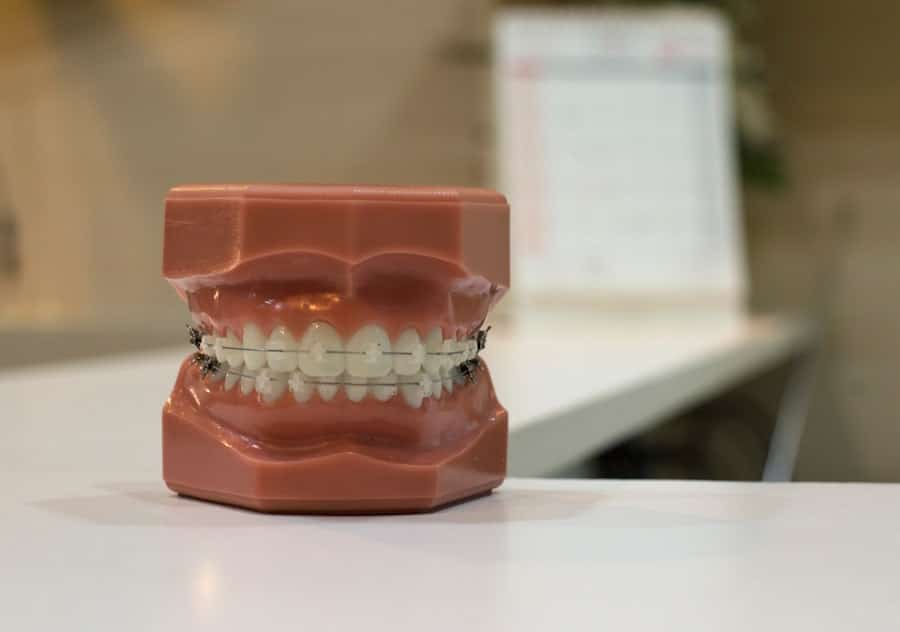
In addition to ice application and elevation, there are several other strategies you can employ to reduce swelling and discomfort after dental implant surgery. Staying hydrated is essential; drinking plenty of water helps your body flush out toxins and supports the healing process. However, be cautious with how you consume liquids—using a straw can create suction that may disturb the surgical site.
You might also consider taking over-the-counter anti-inflammatory medications, such as ibuprofen, as directed by your healthcare provider. These medications can help reduce both swelling and pain, making your recovery more comfortable. Always consult with your dentist before taking any new medications to ensure they are safe and appropriate for your specific situation.
Foods and Drinks to Avoid to Minimize Swelling
Your diet plays a significant role in your recovery after dental implant surgery. Certain foods and drinks can exacerbate swelling or lead to discomfort, so it’s wise to be mindful of what you consume during this period. For instance, you should avoid hard, crunchy, or chewy foods that could irritate the surgical site or require excessive chewing.
Instead, opt for soft foods that are easy to eat and won’t put unnecessary strain on your mouth. Additionally, it’s best to steer clear of hot beverages and spicy foods, as they can increase blood flow to the area and potentially worsen swelling. Alcohol should also be avoided during your recovery, as it can interfere with healing and may interact negatively with any medications you are taking.
Sticking to a diet rich in soft fruits, yogurt, smoothies, and soups can help you maintain nutrition while minimizing discomfort.
When to Seek Medical Attention for Excessive Swelling
While some swelling is expected after dental implant surgery, there are certain signs that should prompt you to seek medical attention. If you notice that the swelling is not subsiding after a few days or if it seems to be worsening instead of improving, it’s essential to contact your dentist or oral surgeon. Additionally, if you experience severe pain that is not alleviated by medication or if you notice any unusual discoloration or pus coming from the surgical site, these could be indicators of complications that require professional evaluation.
Another concerning sign is if you develop a fever alongside significant swelling. This could suggest an infection or other serious issue that needs immediate attention. Trust your instincts; if something feels off or if you have any doubts about your recovery process, don’t hesitate to reach out for guidance from your healthcare provider.
How Long Does Swelling Typically Last after Dental Implant Surgery?

The duration of swelling after dental implant surgery can vary widely among individuals. Generally speaking, you can expect some degree of swelling for about three to five days following the procedure. During this time, it may peak around the second day before gradually subsiding.
However, factors such as the extent of the surgery and your personal healing response can influence this timeline. In some cases, mild swelling may persist for up to a week or longer but should gradually decrease over time. If you find that your swelling is not improving within this timeframe or if it seems excessive, it’s important to consult with your dentist for further evaluation.
They can assess your situation and determine whether any additional interventions are necessary.
Potential Complications Related to Swelling after Dental Implant Surgery
While most cases of post-operative swelling are benign and resolve without issue, there are potential complications that can arise from excessive swelling after dental implant surgery. One such complication is hematoma formation, which occurs when blood collects outside of blood vessels in the tissue. This can lead to increased pressure and discomfort in the area.
Another concern is infection, which can manifest as significant swelling accompanied by pain, fever, or discharge from the surgical site. Infections require prompt treatment to prevent further complications and ensure proper healing. Being aware of these potential issues allows you to monitor your recovery closely and seek help when necessary.
Additional Resources for Managing Post-op Swelling
To further assist you in managing post-operative swelling after dental implant surgery, there are numerous resources available that provide valuable information and support. Your dentist or oral surgeon should be your primary source of guidance; they can offer personalized advice based on your specific situation. Additionally, reputable dental health websites often feature articles and forums where patients share their experiences and tips for recovery.
Engaging with these communities can provide reassurance and practical strategies for managing post-op symptoms effectively. Furthermore, consider reaching out to support groups or local dental associations that may offer workshops or informational sessions on post-operative care. In conclusion, understanding post-operative swelling after dental implant surgery is crucial for a smooth recovery process.
By managing swelling through proper care techniques and being mindful of your diet, you can significantly enhance your comfort during this time. Always stay vigilant for signs of complications and don’t hesitate to seek medical attention if needed. With the right approach and resources at your disposal, you can navigate this phase of healing with confidence and ease.
If you are considering getting dental implants in Jackson, Mississippi, Albuquerque, New Mexico, or Duluth, Minnesota, it is important to be prepared for post-op swelling. Swelling is a common side effect of dental implant surgery and can last for several days. To learn more about how to manage post-op swelling after getting dental implants, check out this comprehensive guide on Costs for Dental Implants. This article provides valuable information on what to expect and how to alleviate swelling to ensure a smooth recovery process.
FAQs
What is post-op swelling after dental implant surgery?
Post-op swelling after dental implant surgery is a common side effect that occurs as part of the body’s natural healing process. It is the body’s response to the trauma of the surgery and is typically at its peak within 48-72 hours after the procedure.
What are the common causes of post-op swelling after dental implant surgery?
Post-op swelling after dental implant surgery is primarily caused by the body’s inflammatory response to the surgical trauma. It can also be influenced by factors such as the extent of the surgery, individual healing processes, and the patient’s overall health.
How long does post-op swelling typically last after dental implant surgery?
Post-op swelling after dental implant surgery typically peaks within 48-72 hours after the procedure and gradually subsides over the following days. In most cases, the swelling should significantly improve within 7-10 days after the surgery.
What are some common methods for managing post-op swelling after dental implant surgery?
Common methods for managing post-op swelling after dental implant surgery include applying ice packs to the affected area, taking prescribed or over-the-counter anti-inflammatory medications, keeping the head elevated, and following any specific post-operative care instructions provided by the dental professional.
When should I be concerned about post-op swelling after dental implant surgery?
While some degree of swelling is normal after dental implant surgery, patients should be concerned if the swelling worsens after the first few days, is accompanied by severe pain or fever, or if they experience difficulty breathing or swallowing. In such cases, it is important to seek immediate medical attention.