
Dental implants have revolutionized the field of dentistry, offering a permanent solution for individuals who have lost teeth due to injury, decay, or other dental issues. If you find yourself in need of tooth replacement, understanding the benefits and process of dental implants can be incredibly empowering. Unlike traditional dentures or bridges, which can be uncomfortable and require frequent adjustments, dental implants are designed to integrate seamlessly with your jawbone, providing a stable and durable foundation for artificial teeth.
This innovative approach not only restores your smile but also enhances your ability to chew and speak effectively. As you consider dental implants, it’s essential to recognize that the journey involves more than just the surgical procedure itself. Preparation is key, and your diet plays a significant role in ensuring a successful outcome.
From pre-surgery dietary adjustments to post-operative nutrition, understanding how to nourish your body during this time can significantly impact your healing process. By being informed and proactive about your dietary choices, you can set yourself up for a smoother recovery and long-term success with your dental implants.
Key Takeaways
- Dental implants are a popular and effective way to replace missing teeth, providing a natural-looking and long-lasting solution.
- Before surgery, it’s important to follow a diet that includes plenty of protein, vitamins, and minerals to promote healing and reduce the risk of infection.
- Immediately after surgery, stick to a soft diet of pureed foods, soups, and smoothies to avoid putting pressure on the implant site.
- As you heal, gradually introduce soft foods like eggs, yogurt, and cooked vegetables, and avoid hard, crunchy, or sticky foods that can disrupt the healing process.
- Long-term, maintain a balanced diet rich in fruits, vegetables, lean proteins, and whole grains to support overall health and the longevity of your dental implants.
Pre-Surgery Diet Preparation
Before undergoing dental implant surgery, it’s crucial to prepare your body through a thoughtful approach to your diet. A well-balanced diet rich in vitamins and minerals can enhance your immune system and promote healing. Focus on incorporating foods that are high in protein, such as lean meats, fish, eggs, and legumes.
These nutrients are vital for tissue repair and can help your body recover more efficiently after the procedure. Additionally, consider adding plenty of fruits and vegetables to your meals; they are packed with antioxidants that can reduce inflammation and support overall health. Hydration is another critical aspect of pre-surgery preparation.
Drinking plenty of water not only keeps you hydrated but also aids in digestion and nutrient absorption. Aim to eliminate or reduce processed foods, sugary snacks, and excessive caffeine in the days leading up to your surgery. These items can lead to inflammation and may hinder your body’s ability to heal.
Instead, focus on whole foods that provide the necessary nutrients to prepare your body for the upcoming procedure. By taking these steps, you’ll be setting a solid foundation for a successful dental implant experience.
Diet Immediately After Surgery

Once your dental implant surgery is complete, your body will need time to heal, and your diet will play a pivotal role during this recovery phase. In the first few days following the procedure, it’s essential to stick to soft foods that require minimal chewing. This will help prevent any unnecessary strain on your healing gums and implants.
Foods like yogurt, applesauce, mashed potatoes, and smoothies are excellent choices that provide nourishment without causing discomfort. In addition to soft foods, it’s important to pay attention to temperature. While you may be tempted to indulge in warm soups or hot beverages, it’s best to avoid anything too hot immediately after surgery.
Hot foods can increase swelling and discomfort in the surgical area. Instead, opt for lukewarm or cool options that are easier on your mouth. Remember that this initial phase is temporary; as you heal, you’ll gradually be able to reintroduce a wider variety of foods into your diet.
Soft Foods and Liquids
As you navigate the early stages of recovery after dental implant surgery, soft foods and liquids will become your best friends. These options not only provide essential nutrients but also ensure that you’re comfortable while eating. Smoothies are particularly versatile; you can blend fruits, vegetables, yogurt, and even protein powder for a nutritious meal replacement that’s easy on your healing gums.
Additionally, consider incorporating soups that are blended until smooth; they can be both satisfying and nourishing. Other soft food options include scrambled eggs, oatmeal, and cottage cheese. These foods are not only gentle on your mouth but also rich in protein and other vital nutrients that support healing.
As you begin to feel more comfortable, you can slowly introduce other soft foods like well-cooked pasta or steamed vegetables that are easy to chew. The key is to listen to your body; if something feels uncomfortable or painful, it’s best to avoid it until you’re further along in your recovery.
Foods to Avoid
While there are many delicious options available during your recovery from dental implant surgery, there are also certain foods you should steer clear of to ensure optimal healing. Hard or crunchy foods can pose a risk of damaging the surgical site or causing discomfort as you chew. Items like nuts, popcorn, chips, and raw vegetables should be avoided until you receive clearance from your dentist or oral surgeon.
Additionally, sticky foods such as caramel or taffy can adhere to the surgical area and may disrupt the healing process. It’s also wise to avoid spicy foods that could irritate sensitive gums or cause discomfort during the healing phase. Alcohol should be limited or avoided altogether during this time as it can interfere with healing and may interact negatively with any medications prescribed by your dentist.
By being mindful of what you eat during this period, you’ll be taking proactive steps toward a successful recovery.
Long-Term Diet Considerations
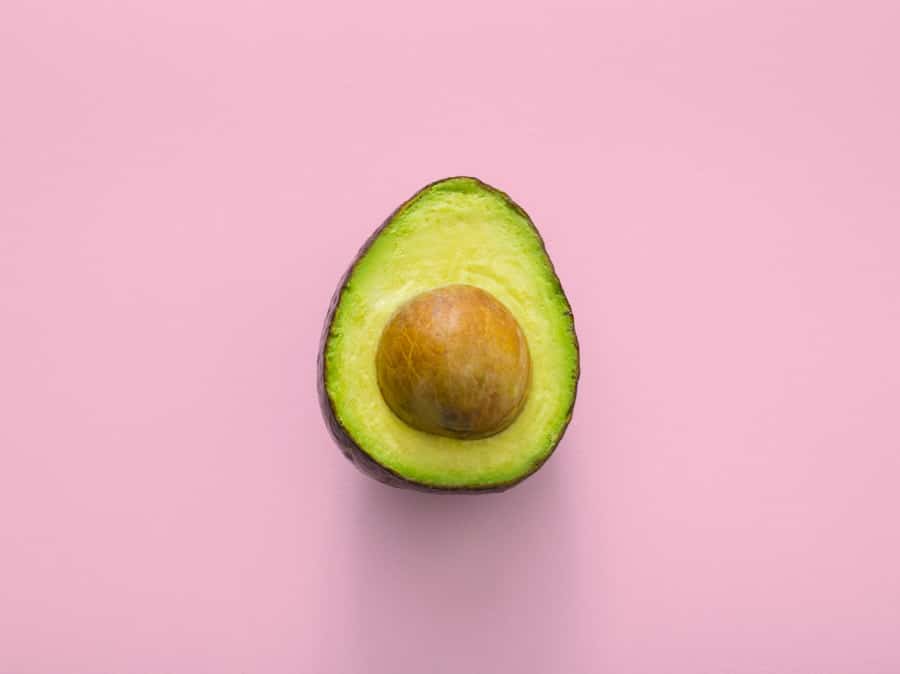
As you transition from the immediate post-surgery phase into long-term recovery with dental implants, it’s essential to consider how your diet will impact the longevity of your new teeth. A balanced diet rich in vitamins and minerals will not only support overall health but also contribute to the stability of your dental implants. Calcium and vitamin D are particularly important for maintaining strong bones; consider incorporating dairy products like milk and cheese or fortified plant-based alternatives into your meals.
Moreover, maintaining good oral health through diet is crucial for the longevity of your implants. Foods high in sugar can lead to plaque buildup and increase the risk of gum disease, which can jeopardize the success of your implants. Instead of sugary snacks, opt for healthier alternatives like fresh fruits or nuts in moderation.
Regularly consuming foods rich in fiber can also promote good oral health by stimulating saliva production, which helps wash away food particles and bacteria.
Nutritional Supplements
In some cases, dietary changes alone may not provide all the nutrients necessary for optimal healing after dental implant surgery. This is where nutritional supplements can play a valuable role in supporting your recovery process. Consult with your healthcare provider or a registered dietitian before starting any supplements; they can help determine what might be beneficial based on your individual needs.
Common supplements that may aid in recovery include vitamin C for its role in collagen formation and immune support, as well as calcium and vitamin D for bone health. Omega-3 fatty acids can also be beneficial due to their anti-inflammatory properties. If you find it challenging to meet your nutritional needs through food alone, these supplements can help bridge the gap and ensure that your body has everything it needs for a successful recovery.
Tips for Maintaining Oral Health
Maintaining oral health is crucial not only for the longevity of your dental implants but also for overall well-being. After recovering from surgery, establish a consistent oral hygiene routine that includes brushing twice daily with fluoride toothpaste and flossing regularly. This will help prevent plaque buildup around your implants and natural teeth alike.
Regular dental check-ups are equally important; they allow your dentist to monitor the health of your implants and surrounding tissues. During these visits, don’t hesitate to discuss any concerns or questions you may have about maintaining oral health post-surgery. Additionally, consider using an antibacterial mouthwash as part of your routine; this can help reduce bacteria in the mouth and promote healing after surgery.
In conclusion, understanding the dietary considerations surrounding dental implants is essential for ensuring a successful recovery and long-term oral health. By preparing adequately before surgery, making informed food choices during recovery, and maintaining good oral hygiene practices afterward, you’ll be well on your way to enjoying the benefits of your new smile for years to come.
If you are considering dental implants, it is important to be aware of the costs associated with the procedure. You can find detailed information on the costs for dental implants in Plymouth, Minnesota, Lauderhill, Florida, and Cathedral City, California by visiting this article. Understanding the financial aspect of dental implants can help you plan accordingly and make informed decisions about your oral health. Additionally, be sure to check out our comprehensive guide to diet after surgery to ensure a smooth recovery process.
FAQs
What is a dental implant?
A dental implant is a surgical component that interfaces with the bone of the jaw or skull to support a dental prosthesis such as a crown, bridge, or denture.
What is the diet after dental implant surgery?
After dental implant surgery, it is important to follow a soft diet for the first few days to allow for proper healing. This includes foods such as mashed potatoes, yogurt, smoothies, and well-cooked pasta.
How long should I follow a soft diet after dental implant surgery?
It is recommended to follow a soft diet for at least the first week after dental implant surgery. After that, gradually introduce firmer foods as tolerated, but avoid hard, crunchy, or sticky foods that may disrupt the healing process.
Are there any foods to avoid after dental implant surgery?
It is best to avoid hard, crunchy, or sticky foods that may put pressure on the implant site or cause irritation. This includes nuts, seeds, popcorn, and chewy candies.
Can I drink hot or cold beverages after dental implant surgery?
It is best to avoid extremely hot or cold beverages immediately after dental implant surgery, as they may cause discomfort or irritation to the surgical site. Stick to lukewarm or room temperature liquids.
When can I return to a normal diet after dental implant surgery?
It is important to follow the post-operative instructions provided by your dentist or oral surgeon. Typically, you can gradually return to a normal diet as the healing progresses, but it is important to listen to your body and avoid any foods that cause discomfort or irritation to the implant site.