
Dental implants are sophisticated dental devices designed to replace missing teeth. They consist of a titanium post that is surgically inserted into the jawbone, acting as a sturdy foundation for artificial teeth. This post mimics the root of a natural tooth, providing stability and support for crowns, bridges, or dentures that are placed on top.
The beauty of dental implants lies in their ability to integrate with the bone through a process called osseointegration, which ensures that the implant remains securely anchored in place. The artificial teeth attached to the implants are custom-made to match your natural teeth in color and shape, ensuring a seamless appearance. Unlike traditional dentures or bridges, which can shift or become uncomfortable over time, dental implants offer a permanent solution that restores both function and aesthetics.
They allow you to eat, speak, and smile with confidence, making them an increasingly popular choice for those seeking to enhance their oral health and quality of life.
Key Takeaways
- Dental implants are artificial tooth roots that are placed in the jaw to support a replacement tooth or bridge.
- Candidates for dental implants should have good oral health, enough bone in the jaw to support the implant, and be committed to maintaining good oral hygiene.
- The dental implant procedure involves several steps, including the initial consultation, implant placement, healing period, and attachment of the replacement tooth.
- Benefits of dental implants include improved appearance, speech, and comfort, while risks may include infection, nerve damage, or implant failure.
- Aftercare for dental implants involves regular brushing and flossing, as well as routine dental check-ups, and they are a more permanent and stable option compared to other tooth replacement options.
Who is a Candidate for Dental Implants?
Determining whether you are a candidate for dental implants involves several factors, including your overall health, the condition of your jawbone, and your oral hygiene habits. Generally, individuals who have lost one or more teeth due to injury, decay, or periodontal disease may be suitable candidates. However, it is essential to have sufficient bone density in your jaw to support the implant.
If your bone has deteriorated due to tooth loss or other factors, you may need a bone graft before proceeding with the implant procedure. Moreover, your commitment to maintaining good oral hygiene is crucial. Candidates should be willing to follow a diligent oral care routine and attend regular dental check-ups.
Additionally, certain medical conditions, such as uncontrolled diabetes or autoimmune diseases, may affect your eligibility for implants. Consulting with your dentist or oral surgeon will provide you with a comprehensive evaluation and help you understand if dental implants are the right choice for you.
The Dental Implant Procedure: What to Expect

The dental implant procedure typically unfolds over several stages, beginning with a thorough consultation and examination. During this initial visit, your dentist will assess your oral health and take imaging scans to evaluate the condition of your jawbone. If you are deemed a suitable candidate, the next step involves the surgical placement of the titanium post into your jawbone.
This procedure is usually performed under local anesthesia or sedation to ensure your comfort. After the implant is placed, a healing period of several months is necessary for osseointegration to occur. During this time, the bone will grow around the implant, securing it firmly in place.
Once healing is complete, you will return to your dentist for the placement of the abutment—a small connector that holds the crown or prosthetic tooth. Finally, after allowing time for any additional healing, your custom-made crown will be attached, completing the process and restoring your smile.
Benefits and Risks of Dental Implants
Dental implants offer numerous benefits that make them an attractive option for tooth replacement. One of the most significant advantages is their durability; with proper care, implants can last a lifetime. They also help preserve jawbone health by preventing bone loss that often occurs after tooth loss.
Additionally, dental implants provide a natural look and feel, allowing you to eat and speak without discomfort or worry about shifting teeth. However, like any surgical procedure, dental implants come with potential risks. These may include infection at the implant site, nerve damage, or sinus issues if the implant is placed in the upper jaw.
It’s essential to discuss these risks with your dentist and weigh them against the benefits before making a decision. Understanding both sides will empower you to make an informed choice about whether dental implants are right for you.
Dental Implant Aftercare and Maintenance
After receiving dental implants, proper aftercare is vital to ensure their longevity and success. Initially, you may experience some swelling and discomfort at the surgical site; however, this can typically be managed with prescribed pain medication and ice packs. Following your dentist’s post-operative instructions is crucial during this healing phase.
You should avoid hard or chewy foods for a few days and maintain a soft diet until you feel comfortable returning to your regular eating habits. Long-term maintenance of dental implants involves practicing good oral hygiene just as you would with natural teeth. This includes brushing twice daily, flossing regularly, and using an antibacterial mouthwash to keep your gums healthy.
Regular dental check-ups are also essential; your dentist will monitor the condition of your implants and surrounding tissues to ensure everything remains in optimal health. By committing to these practices, you can enjoy the benefits of your dental implants for many years.
Comparing Dental Implants to Other Tooth Replacement Options
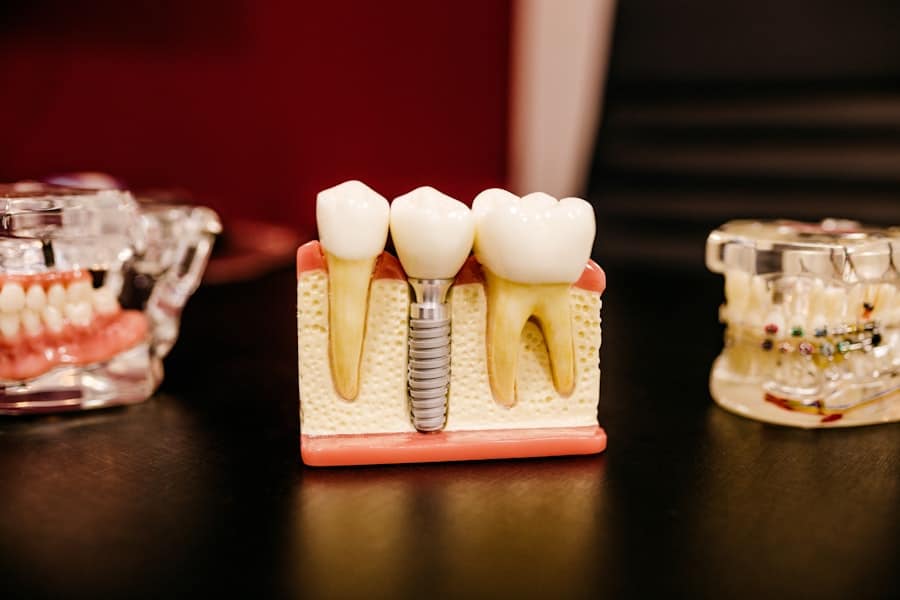
When considering tooth replacement options, it’s essential to compare dental implants with alternatives such as dentures and bridges. Dentures are removable appliances that can replace multiple missing teeth but may require adjustments over time due to changes in jawbone structure. While they can be more affordable upfront than implants, they often lack stability and can lead to discomfort or embarrassment if they shift during use.
Bridges are another option that involves anchoring artificial teeth to adjacent natural teeth. While they can restore function and aesthetics effectively, they require altering healthy teeth for support and do not prevent bone loss in the jaw. In contrast, dental implants provide a more permanent solution that preserves bone health and does not compromise surrounding teeth.
Ultimately, evaluating these options based on your specific needs and lifestyle will help you make an informed decision.
Cost and Insurance Coverage for Dental Implants
The cost of dental implants can vary significantly based on several factors, including the complexity of your case, the materials used, and your geographic location. On average, a single dental implant can range from $3,000 to $4,500 or more when considering the entire process from consultation to crown placement. While this may seem steep compared to other tooth replacement options, it’s important to remember that implants are designed for long-term use and can save you money on future dental work.
Insurance coverage for dental implants varies widely among providers. Some plans may cover a portion of the costs associated with the procedure while others may not cover it at all. It’s advisable to check with your insurance provider to understand what is included in your plan and explore financing options if necessary.
Many dental practices also offer payment plans that can make the investment more manageable.
Frequently Asked Questions about Dental Implants
As you consider dental implants as a solution for missing teeth, you may have several questions about the process and outcomes. One common inquiry is about the pain associated with implant surgery. Most patients report minimal discomfort during the procedure due to anesthesia and sedation options available.
Post-operative pain can usually be managed effectively with medication. Another frequently asked question pertains to how long dental implants last. With proper care and maintenance, many patients enjoy their implants for 10 years or longer—some even for life!
Additionally, individuals often wonder if they can still get implants if they have existing health conditions or have previously experienced dental issues. The best course of action is to consult with your dentist; they can evaluate your specific situation and determine if implants are a viable option for you. In conclusion, dental implants represent a remarkable advancement in restorative dentistry that offers numerous benefits over traditional tooth replacement methods.
By understanding what they are, who qualifies for them, and what the procedure entails, you can make an informed decision about whether this option aligns with your needs and lifestyle. With proper care and maintenance, dental implants can significantly enhance your quality of life by restoring both function and aesthetics to your smile.
If you are considering getting dental implants, you may have questions about the cost and process. A comprehensive guide to frequently asked questions can provide you with the information you need to make an informed decision. For more specific information on costs for dental implants in different locations, you can check out articles like Costs for Dental Implants in Fall River, Massachusetts, Costs for Dental Implants in Tampa, Florida, and Costs for Dental Implants in St. Charles, Missouri. These articles can give you a better idea of what to expect in terms of pricing in different areas.
FAQs
What are dental implants?
Dental implants are artificial tooth roots that are placed into the jaw to hold a replacement tooth or bridge. They provide a strong foundation for fixed or removable replacement teeth.
Who is a good candidate for dental implants?
Good candidates for dental implants are individuals with good oral health, enough bone in the jaw to support the implant, and healthy gum tissues. They should also be committed to maintaining good oral hygiene and regular dental visits.
What are the benefits of dental implants?
Dental implants offer several benefits, including improved appearance, speech, comfort, and oral health. They also provide better durability and convenience compared to other tooth replacement options.
What is the success rate of dental implants?
The success rate of dental implants varies depending on the location of the implants and the individual’s oral health. However, on average, dental implants have a success rate of about 95%.
How long do dental implants last?
With proper care and maintenance, dental implants can last a lifetime. It is important to practice good oral hygiene, avoid damaging habits like smoking, and visit the dentist regularly for check-ups.
What is the dental implant procedure like?
The dental implant procedure involves several steps, including the initial consultation, implant placement surgery, healing period, and attachment of the replacement tooth or bridge. The process can take several months to complete.
Are dental implants painful?
The dental implant procedure is typically performed under local anesthesia, so patients should not feel any pain during the surgery. Some discomfort and mild pain may be experienced after the procedure, but it can be managed with over-the-counter pain medication.
Are there any risks or complications associated with dental implants?
Like any surgical procedure, there are potential risks and complications associated with dental implants, such as infection, nerve damage, and implant failure. However, these are rare and can be minimized by choosing a qualified and experienced dental implant specialist.