
Dental implants have revolutionized the field of dentistry, offering a permanent solution for those who have lost teeth due to injury, decay, or other dental issues. If you find yourself in need of tooth replacement, understanding what dental implants are and how they work is crucial. Essentially, a dental implant consists of a titanium post that is surgically inserted into your jawbone, acting as a root for a replacement tooth.
Over time, the bone fuses with the implant in a process known as osseointegration, providing a sturdy foundation for the artificial tooth that will be placed on top. The benefits of dental implants extend beyond mere aesthetics. They can restore your ability to chew and speak properly, improve your oral health by preventing bone loss, and enhance your overall quality of life.
Unlike dentures, which can slip and cause discomfort, implants are securely anchored in place, allowing you to eat and speak with confidence. However, it’s essential to recognize that the success of dental implants relies heavily on proper planning and execution, making it vital for you to be well-informed before proceeding with the procedure.
Key Takeaways
- Dental implants are a permanent solution for missing teeth, providing a natural look and feel.
- Before getting dental implants, it’s important to consider factors such as bone density, overall health, and lifestyle habits.
- After getting dental implants, proper oral hygiene and regular dental check-ups are crucial for maintaining their health and longevity.
- Potential risks and complications of dental implants include infection, nerve damage, and implant failure, so it’s important to be aware of these and seek prompt treatment if necessary.
- Maintaining oral hygiene, avoiding tobacco use, and following a balanced diet are essential for the long-term success of dental implants.
Pre-Procedure Precautions: What to Consider Before Getting Dental Implants
Before you embark on the journey of getting dental implants, there are several important considerations to keep in mind. First and foremost, a thorough evaluation by your dentist or oral surgeon is necessary. This evaluation typically includes X-rays and possibly 3D imaging to assess the condition of your jawbone and determine if it can support an implant.
If your bone density is insufficient, you may need a bone grafting procedure before the implant can be placed, which adds time and complexity to your treatment plan. Additionally, it’s crucial to discuss your medical history with your dentist. Certain health conditions, such as diabetes or autoimmune disorders, can affect healing and the success of the implant.
You should also inform your dentist about any medications you are taking, as some can interfere with the healing process. By being transparent about your health status, you can help ensure that your dental implant procedure is as safe and effective as possible.
Post-Procedure Precautions: How to Care for Your Dental Implants
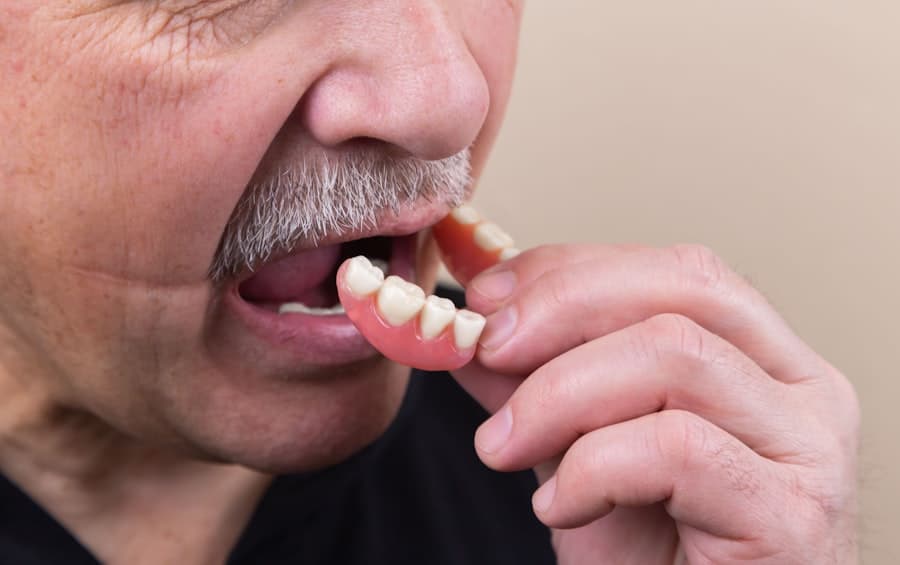
Once your dental implants have been successfully placed, the care you provide during the healing process is paramount. Initially, you may experience some swelling and discomfort, which is entirely normal. Your dentist will likely prescribe pain medication and recommend ice packs to manage any swelling.
It’s essential to follow these instructions closely to promote healing and minimize discomfort. In the days following the procedure, you should also pay attention to your diet. Soft foods are recommended during the initial healing phase to avoid putting undue pressure on the implants.
Foods like yogurt, mashed potatoes, and smoothies can be excellent choices. As you begin to feel more comfortable, gradually reintroduce firmer foods while being cautious not to bite down too hard on the implant site. Maintaining good oral hygiene is equally important; however, you should be gentle around the surgical area to avoid irritation.
Potential Risks and Complications: What to Look Out For
While dental implants are generally considered safe and effective, it’s important to be aware of potential risks and complications that may arise. One common concern is infection at the implant site. Signs of infection can include increased swelling, redness, or discharge from the area.
If you notice any of these symptoms, it’s crucial to contact your dentist immediately for evaluation and treatment. Another risk involves implant failure, which can occur if the implant does not properly fuse with the jawbone. Factors such as smoking, poor oral hygiene, or underlying health conditions can contribute to this issue.
Being proactive about your health and following your dentist’s recommendations can significantly reduce these risks. Understanding these potential complications allows you to be vigilant and seek help promptly if any issues arise.
Maintaining Oral Hygiene: Tips for Keeping Your Dental Implants Healthy
Maintaining excellent oral hygiene is vital for the longevity of your dental implants. Just like natural teeth, implants require regular brushing and flossing to prevent plaque buildup and gum disease. You should brush at least twice a day using a soft-bristled toothbrush and non-abrasive toothpaste.
Pay special attention to the area around the implant, ensuring that you clean it thoroughly without causing irritation. Flossing is equally important; however, traditional floss may not be ideal for cleaning around implants. Instead, consider using interdental brushes or floss designed specifically for dental implants.
These tools can help you reach areas that regular floss might miss. Additionally, incorporating an antibacterial mouthwash into your routine can further enhance your oral hygiene efforts by reducing harmful bacteria in your mouth.
Diet and Lifestyle Considerations: How Your Habits Can Affect Your Dental Implants
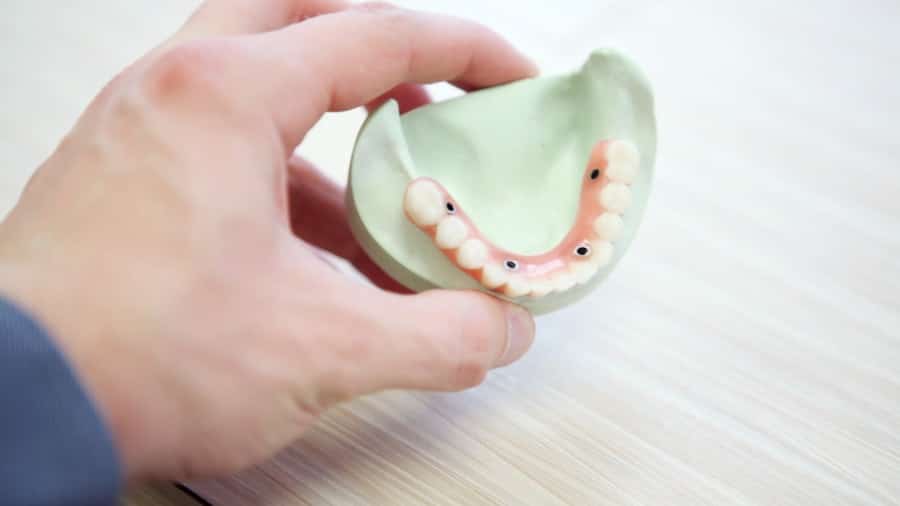
Your diet and lifestyle choices play a significant role in the success of your dental implants. Consuming a balanced diet rich in vitamins and minerals can promote healing and support overall oral health. Foods high in calcium and vitamin D are particularly beneficial for maintaining strong bones, which is essential for supporting your implants.
Incorporating dairy products, leafy greens, nuts, and fish into your meals can help ensure that you’re providing your body with the nutrients it needs. On the other hand, certain habits can negatively impact your dental implants. Smoking is one of the most detrimental behaviors; it not only hinders healing but also increases the risk of implant failure.
If you smoke or use tobacco products, consider seeking support to quit for both your oral health and overall well-being. Additionally, excessive alcohol consumption can also impede healing and should be moderated during your recovery period.
Regular Check-Ups and Follow-Ups: Why Ongoing Monitoring is Important
After receiving dental implants, regular check-ups with your dentist become essential for monitoring their condition and ensuring their longevity. These appointments allow your dentist to assess how well the implants are integrating with your jawbone and check for any signs of complications early on. Typically, you should schedule follow-up visits every six months or as recommended by your dentist.
During these visits, your dentist will perform a thorough examination of your oral health and may take X-rays to evaluate the status of your implants. This ongoing monitoring helps catch any potential issues before they escalate into more significant problems. By prioritizing these check-ups, you’re taking an active role in maintaining your dental health and ensuring that your implants remain functional for years to come.
Long-Term Precautions: What to Expect in the Years Following Dental Implant Surgery
As time goes on after your dental implant surgery, there are several long-term precautions you should keep in mind to ensure their continued success. One key aspect is maintaining consistent oral hygiene practices; neglecting this can lead to complications such as peri-implantitis—a condition similar to gum disease that affects the tissues surrounding an implant. Staying diligent about brushing, flossing, and regular dental visits will help keep both your natural teeth and implants healthy.
Additionally, be mindful of any changes in your oral health or overall well-being that could impact your implants. For instance, if you experience significant weight loss or changes in medication that affect bone density or healing capacity, consult with your dentist promptly. By staying informed about how various factors can influence your dental health over time, you’ll be better equipped to take proactive measures that support the longevity of your dental implants.
In conclusion, understanding dental implants involves more than just knowing what they are; it requires a commitment to pre- and post-procedure care as well as ongoing maintenance. By being proactive about your oral hygiene, lifestyle choices, and regular check-ups with your dentist, you can enjoy the benefits of dental implants for many years to come.
If you are considering getting dental implants, it is important to be aware of the precautions you should take before undergoing the procedure. One helpful resource to consult is a comprehensive guide on Dental Implants: a Comprehensive Guide to Precautions. This article provides valuable information on what to expect before, during, and after getting dental implants. For more specific information on costs for dental implants in different locations, you can check out Costs for Dental Implants in New Braunfels, Texas, Costs for Dental Implants in Oak Lawn, Illinois, and Costs for Dental Implants in Bell Gardens, California. These articles can help you make an informed decision about your dental implant procedure.
FAQs
What are dental implants?
Dental implants are artificial tooth roots that are placed into the jaw to hold a replacement tooth or bridge. They provide a strong foundation for fixed or removable replacement teeth.
Who is a good candidate for dental implants?
Good candidates for dental implants are individuals with good oral health, enough bone in the jaw to support the implant, and healthy gum tissues. They should also be committed to maintaining good oral hygiene and regular dental visits.
What are the precautions to take before getting dental implants?
Before getting dental implants, it is important to have a thorough dental examination to assess the health of the teeth and gums, as well as the condition of the jawbone. Precautions may include addressing any existing dental issues, such as gum disease or tooth decay, and ensuring that the patient’s overall health is suitable for the procedure.
What are the potential risks and complications of dental implants?
Potential risks and complications of dental implants include infection at the implant site, damage to surrounding teeth or blood vessels, nerve damage, and sinus problems. It is important to discuss these risks with a dental professional before undergoing the procedure.
How can I care for dental implants after the procedure?
After getting dental implants, it is important to practice good oral hygiene, including brushing and flossing regularly. Regular dental check-ups and cleanings are also essential to ensure the long-term success of the implants. Avoiding smoking and maintaining a healthy lifestyle can also contribute to the success of dental implants.