
After undergoing dental implant surgery, you may find yourself in a whirlwind of emotions, from relief to anxiety about your recovery. One crucial aspect of your post-operative care is maintaining proper oral hygiene, particularly through brushing. The importance of post-op brushing cannot be overstated.
It plays a vital role in preventing infections, promoting healing, and ensuring the longevity of your dental implants. When you brush your teeth effectively, you help remove food particles and plaque that can accumulate around the surgical site, reducing the risk of complications. Moreover, good oral hygiene practices can significantly enhance your overall comfort during the healing process.
After surgery, your mouth may feel sensitive or swollen, making it tempting to neglect brushing altogether. However, gentle brushing can actually alleviate discomfort by stimulating blood flow to the gums and promoting healing. By prioritizing your oral hygiene routine, you not only protect your investment in dental implants but also contribute to your overall health and well-being.
Key Takeaways
- Proper post-op brushing is crucial for maintaining oral hygiene and preventing complications after dental implant surgery.
- It is recommended to start brushing gently with a soft-bristled toothbrush the day after dental implant surgery, unless advised otherwise by your dentist.
- Choosing a toothbrush with soft bristles and a non-abrasive toothpaste is important to avoid damaging the dental implants and surrounding tissues.
- The proper brushing technique for dental implants involves gentle circular motions and thorough cleaning of all surfaces, including the gumline and areas around the implants.
- Special considerations for brushing around dental implants include using an interdental brush or water flosser to clean hard-to-reach areas and prevent plaque buildup.
When to Start Brushing After Dental Implant Surgery
Determining the right time to resume brushing after dental implant surgery is essential for your recovery. Generally, most dentists recommend waiting at least 24 hours post-surgery before you begin brushing your teeth again. This waiting period allows the initial healing process to take place and minimizes the risk of disturbing the surgical site.
However, it’s crucial to follow your dentist’s specific instructions, as individual cases may vary based on the complexity of the procedure and your unique healing process. Once you receive the green light from your dentist, you can start brushing again, but with caution. Initially, you may want to focus on brushing the areas of your mouth that are not directly affected by the surgery.
This approach helps maintain overall oral hygiene while allowing the surgical site to heal undisturbed. As you progress in your recovery and feel more comfortable, you can gradually incorporate gentle brushing around the implant area, ensuring that you are mindful of any sensitivity or discomfort.
Choosing the Right Toothbrush and Toothpaste
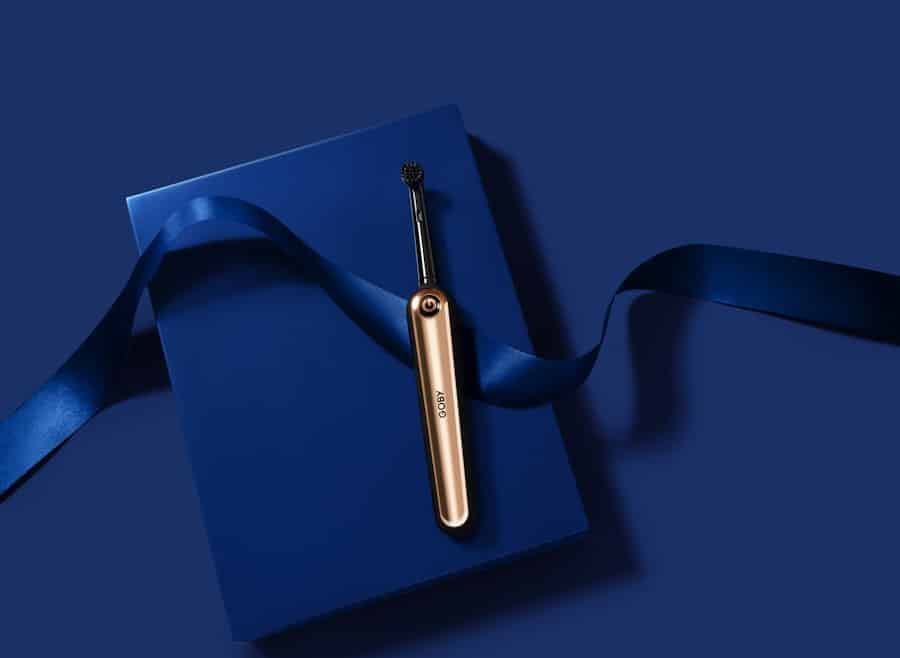
Selecting the appropriate toothbrush and toothpaste is a critical step in your post-operative oral care routine. After dental implant surgery, it is advisable to opt for a soft-bristled toothbrush. Soft bristles are gentle on sensitive gums and will help prevent irritation around the surgical site.
You might also consider using an electric toothbrush with a gentle setting, as it can provide a more thorough clean without applying excessive pressure. When it comes to toothpaste, look for a fluoride-based option that is free from harsh abrasives. Some patients may find that their gums are more sensitive after surgery, so choosing a toothpaste designed for sensitive teeth can be beneficial.
Additionally, there are specialized toothpastes available that cater specifically to individuals with dental implants. These products often contain ingredients that promote gum health and help prevent plaque buildup around implants.
Proper Brushing Technique for Dental Implants
Mastering the proper brushing technique is essential for maintaining the health of your dental implants and surrounding gums. Start by holding your toothbrush at a 45-degree angle to your gums. This angle allows the bristles to reach beneath the gum line effectively, where plaque tends to accumulate.
Use gentle circular motions rather than aggressive back-and-forth scrubbing, which can irritate sensitive areas and potentially disrupt healing. Be sure to spend adequate time brushing each quadrant of your mouth—approximately 30 seconds per section is a good rule of thumb. Pay special attention to the areas around your dental implants, but do so with care.
If you experience any discomfort while brushing near the surgical site, it’s important to ease up on pressure or avoid that area until it feels more comfortable. Consistency is key; aim to brush at least twice a day to keep plaque at bay and support your healing process.
Special Considerations for Brushing Around Dental Implants
Brushing around dental implants requires a bit more attention than brushing natural teeth due to the unique nature of implants and their surrounding tissues. One important consideration is to be extra gentle when cleaning around the implant site. The gums may be tender or swollen during the initial healing phase, so using a light touch is crucial to avoid causing any damage or discomfort.
Additionally, consider using an interdental brush or soft floss specifically designed for dental implants. These tools can help you clean between the implant and adjacent teeth more effectively than traditional flossing methods. Regularly cleaning these areas will help prevent plaque buildup and ensure that your gums remain healthy as they heal around the implant.
Tips for Maintaining Oral Hygiene After Dental Implant Surgery
Maintaining oral hygiene after dental implant surgery goes beyond just brushing; it encompasses a holistic approach to oral care. First and foremost, establish a consistent routine that includes brushing twice daily and rinsing with an antimicrobial mouthwash as recommended by your dentist. This rinse can help reduce bacteria in your mouth and promote healing.
In addition to brushing and rinsing, consider incorporating a water flosser into your oral hygiene routine. Water flossers can be particularly effective for individuals with dental implants, as they provide a gentle yet thorough way to clean around implants and between teeth without causing irritation. Staying hydrated is also essential; drinking plenty of water helps wash away food particles and keeps your mouth moist, which is beneficial for healing.
Common Mistakes to Avoid When Brushing Post-op Dental Implants
As you navigate your post-operative care routine, it’s important to be aware of common mistakes that could hinder your recovery or compromise the health of your dental implants. One frequent error is brushing too aggressively or too soon after surgery. While maintaining cleanliness is vital, being overly forceful can lead to irritation or even damage to healing tissues.
Another mistake is neglecting specific areas around the implant during brushing. It’s easy to focus on visible teeth while overlooking the delicate tissues surrounding an implant. Make it a point to include these areas in your routine gently but thoroughly.
Lastly, don’t forget about regular follow-up appointments with your dentist; they are essential for monitoring your healing progress and addressing any concerns that may arise.
Follow-up Care and Recommendations from Your Dentist
Your dentist plays a pivotal role in your recovery journey after dental implant surgery. Following their recommendations for follow-up care is crucial for ensuring optimal healing and long-term success of your implants. Typically, you will have a follow-up appointment scheduled within a week or two after surgery to assess how well you are healing and whether any adjustments need to be made.
During these visits, don’t hesitate to ask questions about your oral hygiene routine or any concerns you may have regarding discomfort or sensitivity around the implant site. Your dentist can provide personalized advice tailored to your specific situation, helping you navigate any challenges you may encounter during recovery. By staying proactive about follow-up care and adhering to their recommendations, you can set yourself up for success in maintaining both your dental implants and overall oral health for years to come.
If you’re considering getting dental implants in Vacaville, California, Beaverton, Oregon, or Prescott Valley, Arizona, you may be wondering about the costs involved. Check out this informative article on Costs for Dental Implants in Vacaville, California to learn more about the financial aspects of this procedure. And once you’ve had your implants placed, be sure to follow our comprehensive guide to post-op brushing to ensure proper care and maintenance.
FAQs
What is the importance of post-op brushing after getting dental implants?
Post-op brushing is crucial after getting dental implants as it helps to maintain oral hygiene, prevent infection, and promote healing of the surgical site.
When should I start brushing my teeth after getting dental implants?
It is recommended to start brushing your teeth the day after getting dental implants, following the specific instructions provided by your dentist.
What type of toothbrush should I use for post-op brushing after dental implants?
A soft-bristled toothbrush is recommended for post-op brushing after dental implants to avoid irritation or damage to the surgical site.
How should I brush around the dental implants?
Gently brush around the dental implants using a soft-bristled toothbrush, being careful not to apply too much pressure to the surgical area.
Are there any specific techniques or products recommended for post-op brushing after dental implants?
Your dentist may recommend using a gentle, non-abrasive toothpaste and possibly a special antimicrobial mouthwash for post-op brushing after dental implants. They may also provide specific instructions on how to brush around the implants.
How often should I brush my teeth after getting dental implants?
It is recommended to brush your teeth at least twice a day after getting dental implants, following the specific instructions provided by your dentist.
Are there any restrictions or precautions to consider when brushing after getting dental implants?
It is important to avoid brushing too vigorously or using a toothbrush with hard bristles, as this can irritate the surgical site. Additionally, be cautious around the implant area to avoid disrupting the healing process.