
After undergoing dental implant surgery, you may find yourself in a whirlwind of emotions and concerns. The importance of post-operative oral health recovery cannot be overstated. This phase is crucial not only for your immediate comfort but also for the long-term success of your dental implants.
Your body has just undergone a significant procedure, and it requires time and care to heal properly. Understanding the nuances of this recovery period can make a substantial difference in your overall experience and outcomes. During the recovery phase, your body is working hard to integrate the implant with your jawbone, a process known as osseointegration.
This is where the implant becomes a stable foundation for your new teeth. If you neglect your oral health during this time, you risk complications that could jeopardize the success of the implant. Therefore, being proactive about your recovery is essential.
You should prioritize rest, follow your dentist’s instructions meticulously, and be aware of any signs that may indicate complications. By doing so, you set the stage for a smooth recovery and a successful dental implant experience.
Key Takeaways
- Proper post-op oral health recovery is crucial for successful dental implant surgery.
- Managing pain and discomfort after surgery is important for a smooth recovery process.
- Maintaining proper oral hygiene and care is essential for the longevity of dental implants.
- Following dietary guidelines can aid in optimal healing and recovery after dental implant surgery.
- Recognizing and managing potential complications is important for the success of dental implants.
Managing Pain and Discomfort After Dental Implant Surgery
Pain and discomfort are common after dental implant surgery, but managing these sensations effectively can significantly enhance your recovery experience. Your dentist will likely prescribe pain relief medications to help you cope with any discomfort you may feel in the days following the procedure. It’s essential to take these medications as directed, as they can help you maintain a level of comfort that allows you to focus on healing rather than on pain.
In addition to prescribed medications, there are several home remedies you can employ to alleviate discomfort. Applying a cold compress to the outside of your cheek can help reduce swelling and numb the area, providing relief from pain. You might also find that elevating your head while resting can minimize swelling and improve your comfort level.
Remember, everyone’s pain tolerance is different, so don’t hesitate to reach out to your dentist if you feel that your pain is not adequately managed or if it worsens over time.
Maintaining Proper Oral Hygiene and Care for Dental Implants
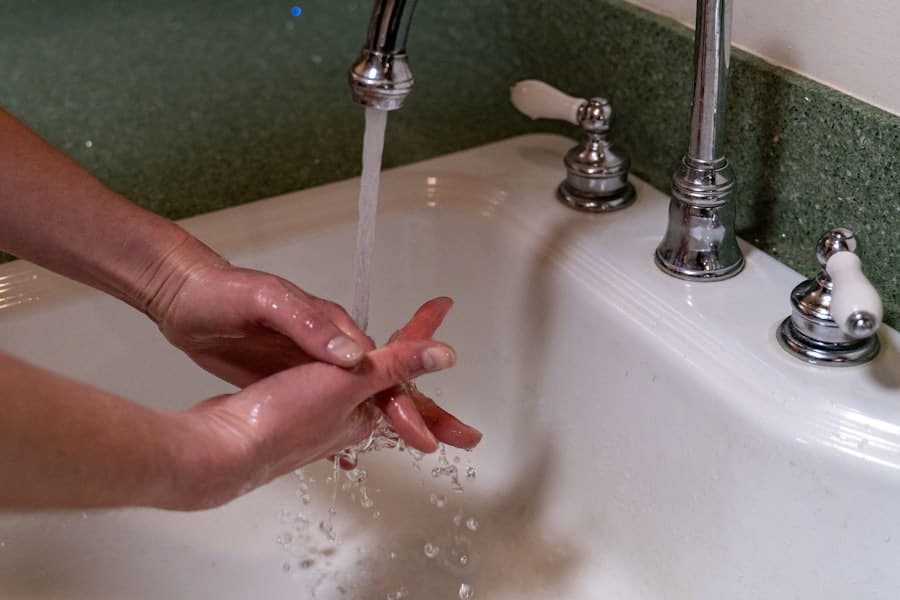
Maintaining proper oral hygiene after dental implant surgery is vital for ensuring the longevity of your implants. While it may be tempting to avoid brushing or flossing in the immediate aftermath of surgery, doing so can lead to complications such as infection or implant failure. Your dentist will provide specific guidelines on when and how to resume your oral hygiene routine, but generally, gentle brushing with a soft-bristled toothbrush is recommended after a few days.
In addition to brushing, using an antimicrobial mouthwash can help keep your mouth clean and reduce the risk of infection. Be sure to follow your dentist’s recommendations regarding mouthwash usage, as some products may be too harsh immediately after surgery. Flossing around the implant area is also crucial; however, you should wait until your dentist advises you that it’s safe to do so.
By adhering to these hygiene practices, you can significantly enhance the chances of a successful recovery and long-term health for your dental implants.
Dietary Guidelines for Optimal Healing and Recovery
Your diet plays a pivotal role in your recovery after dental implant surgery. In the initial days following the procedure, it’s advisable to stick to soft foods that require minimal chewing. Foods like yogurt, mashed potatoes, smoothies, and soups can provide essential nutrients without putting undue stress on your healing gums.
Staying hydrated is equally important; drinking plenty of water will help facilitate healing and keep your body functioning optimally. As you progress in your recovery, gradually reintroducing more solid foods is essential. However, you should still avoid hard or crunchy items that could disrupt the healing process or damage the implant site.
Foods rich in vitamins and minerals—such as leafy greens, lean proteins, and whole grains—can support healing and provide your body with the nutrients it needs to recover effectively. By being mindful of your dietary choices during this critical time, you can promote optimal healing and ensure that your dental implants have the best chance for success.
Recognizing and Managing Potential Complications
While most dental implant surgeries go smoothly, it’s crucial to be aware of potential complications that may arise during your recovery. Common issues include infection at the implant site, excessive bleeding, or prolonged swelling. Being vigilant about any unusual symptoms can help you catch complications early on.
If you notice increased pain, swelling that doesn’t subside after a few days, or any discharge from the surgical site, it’s essential to contact your dentist immediately. Managing these complications often involves prompt intervention from your dental care provider. They may prescribe antibiotics if an infection is suspected or recommend additional treatments to address other issues.
Remember that open communication with your dentist is key; don’t hesitate to voice any concerns or questions you may have during your recovery process. By staying informed and proactive about potential complications, you can safeguard your health and ensure a smoother recovery.
Follow-Up Care and Monitoring for Long-Term Success
Follow-up care is an integral part of ensuring the long-term success of your dental implants. Your dentist will schedule several appointments after your surgery to monitor your healing progress and assess the integration of the implants with your jawbone. These visits are crucial for identifying any issues early on and making necessary adjustments to your care plan.
During these follow-up appointments, be prepared to discuss any concerns you may have experienced since your surgery. Your dentist will likely perform X-rays or other diagnostic tests to evaluate the condition of the implants and surrounding tissues. Adhering to this follow-up schedule not only helps in monitoring your recovery but also reinforces the importance of ongoing oral health care in maintaining the longevity of your dental implants.
Lifestyle and Habits to Avoid for Dental Implant Health
Certain lifestyle choices can negatively impact the health of your dental implants and should be avoided during your recovery period. Smoking is one of the most detrimental habits; it can impede healing and increase the risk of complications such as infection or implant failure. If you smoke, consider using this time as an opportunity to quit or at least reduce your intake significantly.
Additionally, excessive alcohol consumption can also hinder healing and should be limited during your recovery phase. Alcohol can interfere with medications prescribed by your dentist and may lead to dehydration, which is counterproductive when trying to heal. By making conscious choices about your lifestyle during this critical time, you can significantly enhance the success rate of your dental implants.
Tips for Ensuring Successful Integration and Function of Dental Implants
To ensure successful integration and function of your dental implants, there are several proactive steps you can take beyond following post-operative care instructions. First and foremost, maintaining regular dental check-ups is essential for monitoring the health of both your implants and surrounding teeth. Your dentist will provide guidance on how often these visits should occur based on your individual needs.
In addition to regular check-ups, practicing good oral hygiene at home is vital for long-term success. This includes brushing twice daily with fluoride toothpaste, flossing regularly, and using mouthwash as recommended by your dentist. Furthermore, consider investing in tools designed specifically for implant care, such as interdental brushes or water flossers, which can help keep hard-to-reach areas clean.
By taking these steps seriously and remaining committed to both professional care and personal hygiene practices, you can enjoy a lifetime of benefits from your dental implants. The journey doesn’t end with surgery; it’s an ongoing commitment to maintaining oral health that will pay off in comfort, functionality, and confidence in your smile for years to come.
If you’re considering dental implants in Elkhart, Indiana, Huntsville, Texas, or Sugar Land, Texas, you may be wondering about the costs involved. Check out this informative article on Costs for Dental Implants in Elkhart, Indiana to learn more about the financial aspects of this procedure. In addition to understanding the costs, it’s important to also focus on post-op oral health recovery. For a comprehensive guide on this topic, be sure to read our article on Dental Implants: A Comprehensive Guide to Post-Op Oral Health Recovery.
FAQs
What are dental implants?
Dental implants are artificial tooth roots that are placed in the jaw to support a replacement tooth or bridge. They are a popular and effective long-term solution for people who have lost teeth due to periodontal disease, injury, or other reasons.
How long does it take to recover from dental implant surgery?
Recovery from dental implant surgery can vary from person to person, but it typically takes about 6-8 months for the implant to fully integrate with the jawbone. During this time, patients may experience some discomfort and swelling, which can be managed with pain medication and proper oral care.
What is the post-operative oral health care routine for dental implants?
After dental implant surgery, it is important to maintain good oral hygiene to ensure proper healing and long-term success of the implants. This includes regular brushing and flossing, using an antimicrobial mouthwash, and attending follow-up appointments with the dentist.
What are the potential complications or risks associated with dental implants?
While dental implants have a high success rate, there are some potential complications and risks, such as infection, nerve damage, and implant failure. It is important for patients to follow their dentist’s post-operative instructions and attend regular check-ups to minimize these risks.
Can dental implants be used to replace multiple missing teeth?
Yes, dental implants can be used to replace multiple missing teeth. Depending on the patient’s specific needs, a dental implant-supported bridge or denture may be recommended to restore function and aesthetics to the smile.