
Dental implants are sophisticated dental devices designed to replace missing teeth. They consist of a titanium post that is surgically inserted into the jawbone, acting as a sturdy foundation for artificial teeth. This post mimics the root of a natural tooth, providing stability and support for crowns, bridges, or dentures that are placed on top.
The process of osseointegration occurs when the bone fuses with the implant, creating a strong bond that ensures durability and longevity. This innovative solution has revolutionized the field of dentistry, offering patients a reliable alternative to traditional tooth replacement methods. In essence, dental implants are not merely cosmetic enhancements; they are functional replacements that restore your ability to chew, speak, and smile with confidence.
Unlike dentures, which can slip or cause discomfort, implants are securely anchored in your jawbone, allowing you to enjoy your favorite foods without worry. The materials used in dental implants are biocompatible, meaning they are designed to integrate seamlessly with your body. This makes them a safe and effective option for those seeking to regain their oral health and improve their quality of life.
Key Takeaways
- Dental implants are artificial tooth roots that are surgically placed into the jawbone to support a replacement tooth or bridge.
- The benefits of dental implants include improved appearance, speech, comfort, and oral health, as well as convenience and durability.
- Dental implants are considered superior to other tooth replacement options such as dentures and bridges because they provide a more natural look and feel, and they help preserve the jawbone.
- The process of getting dental implants involves a consultation, surgical placement of the implant, healing period, and attachment of the replacement tooth or bridge.
- Dental implants have a high long-term success rate and can last a lifetime with proper care and maintenance.
The Benefits of Dental Implants
One of the most significant advantages of dental implants is their ability to restore your smile and boost your self-esteem. When you lose a tooth, it can affect not only your appearance but also your confidence in social situations. With dental implants, you can regain a natural-looking smile that enhances your facial aesthetics.
This newfound confidence can positively impact various aspects of your life, from personal relationships to professional opportunities. In addition to aesthetic benefits, dental implants also contribute to better oral health. When a tooth is lost, the surrounding teeth may shift into the empty space, leading to misalignment and further dental issues.
Implants help maintain the integrity of your jawbone by preventing bone loss that often occurs after tooth extraction. By preserving the structure of your jaw, dental implants can help you avoid complications that arise from missing teeth, such as gum disease and additional tooth loss. Furthermore, they require no alteration of adjacent teeth, unlike bridges, which often necessitate reshaping neighboring teeth for support.
How Dental Implants Compare to Other Tooth Replacement Options
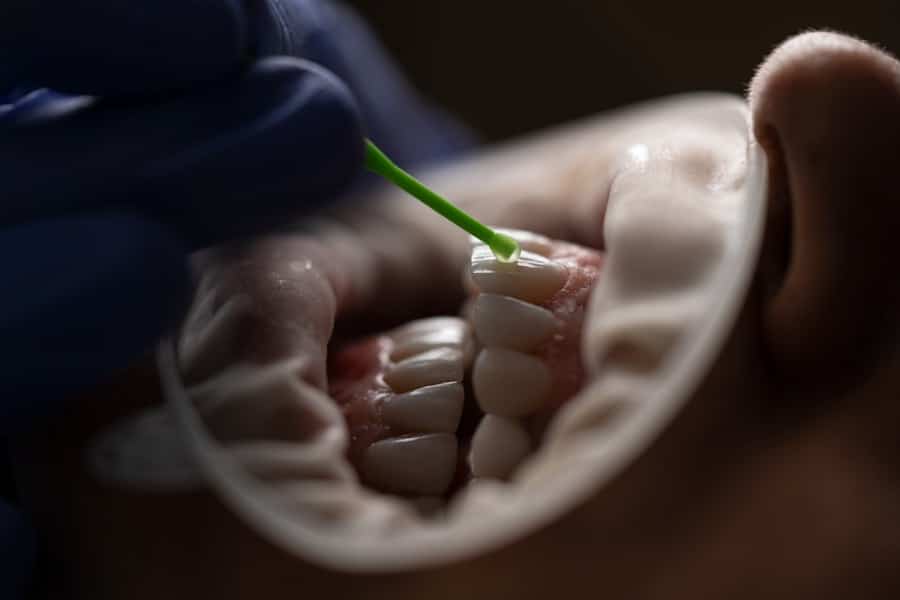
When considering tooth replacement options, it’s essential to weigh the pros and cons of each method. Traditional dentures and bridges have been popular choices for many years; however, they come with limitations that dental implants do not share. For instance, dentures can be uncomfortable and may require adhesives to stay in place.
They can also slip while eating or speaking, leading to embarrassment and frustration. In contrast, dental implants provide a secure and stable solution that allows you to eat and speak without fear of movement. Bridges, while effective in replacing one or two missing teeth, require the alteration of adjacent healthy teeth for support.
This can compromise the integrity of those teeth over time. Dental implants stand out because they do not rely on neighboring teeth for support; instead, they function independently. This independence not only preserves the health of surrounding teeth but also offers a more natural feel and function compared to other options.
Ultimately, when you compare dental implants to traditional methods, it becomes clear that they offer a superior solution for long-term tooth replacement.
The Process of Getting Dental Implants
The journey to obtaining dental implants typically involves several stages, beginning with a comprehensive consultation with your dentist or oral surgeon. During this initial appointment, your oral health will be assessed through X-rays and possibly 3D imaging to determine the best course of action. Your dentist will discuss your medical history and any potential concerns that may affect the procedure.
This thorough evaluation ensures that you are a suitable candidate for implants and helps tailor the treatment plan to your specific needs. Once you have been deemed a candidate for dental implants, the next step is the surgical placement of the titanium post into your jawbone. This procedure is usually performed under local anesthesia or sedation to ensure your comfort.
After the implant is placed, a healing period follows during which osseointegration occurs—this is when the bone fuses with the implant post. This process can take several months but is crucial for the long-term success of the implant. After healing is complete, an abutment is attached to the implant, which will hold the final crown or prosthetic tooth in place.
Finally, custom-made crowns are crafted to match your natural teeth in color and shape, completing your restoration.
The Long-Term Success of Dental Implants
One of the most appealing aspects of dental implants is their impressive long-term success rate. Studies show that dental implants can last 10 years or more with proper care and maintenance. Unlike other tooth replacement options that may need frequent adjustments or replacements, implants are designed to be a permanent solution.
Their durability stems from the biocompatible materials used in their construction and the strong bond formed between the implant and jawbone. To ensure the longevity of your dental implants, it’s essential to maintain good oral hygiene practices. Regular brushing and flossing, along with routine dental check-ups, will help keep your mouth healthy and prevent complications such as gum disease.
Additionally, avoiding harmful habits like smoking can significantly enhance the success rate of your implants. By taking these proactive steps, you can enjoy the benefits of your dental implants for many years to come.
Who is a Candidate for Dental Implants?

While dental implants offer numerous benefits, not everyone is an ideal candidate for this procedure. Generally speaking, candidates should have good overall health and sufficient bone density in their jaw to support the implant. If you have experienced significant bone loss due to periodontal disease or prolonged tooth loss, bone grafting may be necessary before proceeding with implants.
Your dentist will evaluate your specific situation during the initial consultation to determine if additional procedures are required. Moreover, individuals with certain medical conditions or those who smoke may face challenges in qualifying for dental implants. Conditions such as uncontrolled diabetes or autoimmune diseases can hinder healing and increase the risk of complications.
However, many people who previously thought they were ineligible for implants have successfully undergone treatment after addressing underlying health issues or quitting smoking. Ultimately, an open discussion with your dentist about your medical history will help clarify whether dental implants are a viable option for you.
The Cost of Dental Implants
The cost of dental implants can vary widely based on several factors, including location, complexity of the case, and whether additional procedures like bone grafting are needed. On average, you might expect to pay anywhere from $3,000 to $4,500 per implant; however, this figure can fluctuate based on individual circumstances and specific treatment plans. While this initial investment may seem daunting compared to other tooth replacement options like dentures or bridges, it’s essential to consider the long-term benefits and durability that implants provide.
Many dental insurance plans offer partial coverage for dental implants; however, coverage varies significantly among providers. It’s advisable to check with your insurance company regarding specific benefits related to implant procedures. Additionally, many dental practices offer financing options or payment plans that can make dental implants more accessible for patients concerned about upfront costs.
By exploring these options and understanding the value of investing in your oral health, you can make an informed decision about pursuing dental implants.
Finding a Qualified Dental Implant Specialist
Choosing the right dental implant specialist is crucial for ensuring a successful outcome for your procedure. Start by seeking recommendations from friends or family members who have undergone similar treatments; personal experiences can provide valuable insights into potential providers. Additionally, researching online reviews and testimonials can help you gauge patient satisfaction levels at various practices.
When evaluating potential specialists, consider their qualifications and experience in performing dental implant surgeries. Look for dentists who have completed advanced training in implantology and have a proven track record of successful procedures. A consultation appointment is an excellent opportunity to ask questions about their approach to treatment and discuss any concerns you may have regarding the process.
By taking the time to find a qualified specialist who aligns with your needs and expectations, you can embark on your journey toward restoring your smile with confidence.
If you are considering dental implants, you may be interested in learning more about the costs associated with the procedure. A related article on Costs for Dental Implants in Vacaville, California provides valuable information on the expenses involved in getting dental implants in that area. Understanding the costs associated with dental implants can help you make an informed decision about your dental health.
FAQs
What are dental implants?
Dental implants are artificial tooth roots that are surgically placed into the jawbone to support a replacement tooth or bridge. They are made of titanium, which is a biocompatible material that fuses with the jawbone to provide a strong and stable foundation for the replacement tooth.
Why are dental implants considered the gold standard in dentistry?
Dental implants are considered the gold standard in dentistry because they offer several advantages over other tooth replacement options. They are durable, long-lasting, and function and look like natural teeth. Additionally, they help preserve the jawbone and prevent bone loss, unlike other options such as bridges or dentures.
Who is a good candidate for dental implants?
Good candidates for dental implants are individuals with good oral and overall health, an adequate amount of jawbone to support the implant, and healthy gums. It is important for candidates to have realistic expectations and be committed to maintaining good oral hygiene after the implant procedure.
What is the success rate of dental implants?
The success rate of dental implants is very high, with studies showing success rates of over 95% for the majority of patients. Proper oral hygiene and regular dental check-ups are important factors in ensuring the long-term success of dental implants.
How long do dental implants last?
With proper care and maintenance, dental implants can last a lifetime. They are designed to be a permanent solution for tooth replacement and are not susceptible to decay or cavities like natural teeth.