
Dental implants are sophisticated dental devices designed to replace missing teeth. They consist of a titanium post that is surgically inserted into the jawbone, acting as a sturdy foundation for artificial teeth. This post mimics the root of a natural tooth, providing stability and support for crowns, bridges, or dentures that are placed on top.
The process of osseointegration occurs when the bone fuses with the implant, creating a strong bond that ensures durability and longevity. This innovative solution has revolutionized the field of dentistry, offering a permanent alternative to traditional dentures and bridges. In essence, dental implants are not merely cosmetic enhancements; they are functional replacements that restore your ability to chew, speak, and smile with confidence.
Unlike removable dentures, which can shift or slip, implants provide a secure fit that feels natural. They are designed to blend seamlessly with your existing teeth, making them an aesthetically pleasing option for those seeking to improve their oral health and appearance. As you consider your options for tooth replacement, understanding the intricacies of dental implants can help you make an informed decision about your dental care.
Key Takeaways
- Dental implants are artificial tooth roots that are surgically placed into the jawbone to support a replacement tooth or bridge.
- Benefits of dental implants include improved appearance, speech, comfort, and oral health, as well as durability and convenience.
- The process of getting dental implants involves a consultation, surgical placement of the implant, healing period, and attachment of the replacement tooth or bridge.
- Candidates for dental implants should have good oral and overall health, adequate jawbone density, and a commitment to oral hygiene and regular dental visits.
- Risks and complications of dental implants may include infection, nerve damage, and implant failure, but these are rare and can often be managed with proper care and follow-up.
Benefits of Dental Implants
One of the most significant advantages of dental implants is their durability. With proper care, they can last a lifetime, making them a cost-effective solution in the long run. Unlike traditional bridges or dentures that may need to be replaced every few years, implants offer a permanent solution that requires minimal maintenance.
This longevity is particularly appealing for individuals who want to avoid the hassle and expense of frequent dental work. Another key benefit is the improvement in oral health that dental implants provide. When a tooth is lost, the surrounding bone can begin to deteriorate due to lack of stimulation.
Implants help preserve the jawbone by providing the necessary support and stimulation that natural teeth would normally provide. This not only maintains the structure of your face but also prevents further tooth loss and other complications associated with bone loss. Additionally, dental implants do not require altering adjacent teeth, as is often necessary with bridges, preserving your natural tooth structure.
The Process of Getting Dental Implants
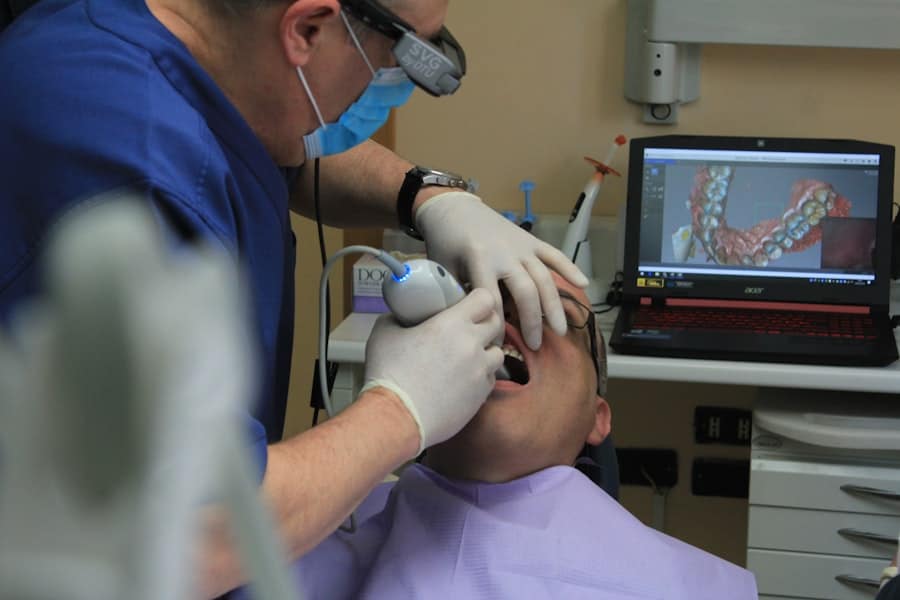
The journey to obtaining dental implants typically begins with a comprehensive consultation with your dentist or oral surgeon. During this initial appointment, they will evaluate your oral health, take X-rays, and discuss your medical history to determine if you are a suitable candidate for the procedure. This thorough assessment is crucial in ensuring that the implant will be successful and that your jawbone has sufficient density to support it.
Once you are deemed a candidate, the next step involves the surgical placement of the implant itself. This procedure is usually performed under local anesthesia or sedation to ensure your comfort. The titanium post is carefully inserted into the jawbone, and over the next few months, osseointegration occurs as the bone heals around the implant.
After this healing period, which can take several weeks to months depending on individual circumstances, you will return to have an abutment placed on top of the implant. Finally, a custom-made crown is attached to complete the restoration process, resulting in a fully functional and aesthetically pleasing tooth replacement.
Who is a Candidate for Dental Implants?
While dental implants offer numerous benefits, not everyone is an ideal candidate for this procedure. Generally, individuals who have lost one or more teeth due to injury, decay, or periodontal disease may be considered for implants. However, certain factors can influence eligibility.
For instance, sufficient jawbone density is essential for successful osseointegration; if you have experienced significant bone loss, additional procedures such as bone grafting may be necessary before implants can be placed. Moreover, your overall health plays a crucial role in determining candidacy for dental implants. Conditions such as uncontrolled diabetes or autoimmune diseases can affect healing and increase the risk of complications.
Additionally, habits like smoking can hinder recovery and impact the success rate of implants. Therefore, it’s essential to have an open discussion with your dentist about your medical history and lifestyle choices to assess whether dental implants are the right option for you.
Risks and Complications of Dental Implants
Like any surgical procedure, dental implants come with potential risks and complications that you should be aware of before proceeding. One common concern is infection at the implant site, which can occur if proper hygiene is not maintained during the healing process. In some cases, this infection can lead to implant failure if not addressed promptly.
It’s crucial to follow your dentist’s post-operative care instructions diligently to minimize this risk. Another potential complication is nerve damage, which can result in pain or numbness in the surrounding areas if the implant is placed too close to nerve endings. While this is relatively rare when performed by an experienced professional, it’s still a possibility worth considering.
Additionally, there may be instances where the implant does not properly fuse with the jawbone due to various factors such as insufficient bone density or improper placement. Understanding these risks allows you to make an informed decision and prepare adequately for your dental implant journey.
Maintenance and Care for Dental Implants
Daily Care Routine
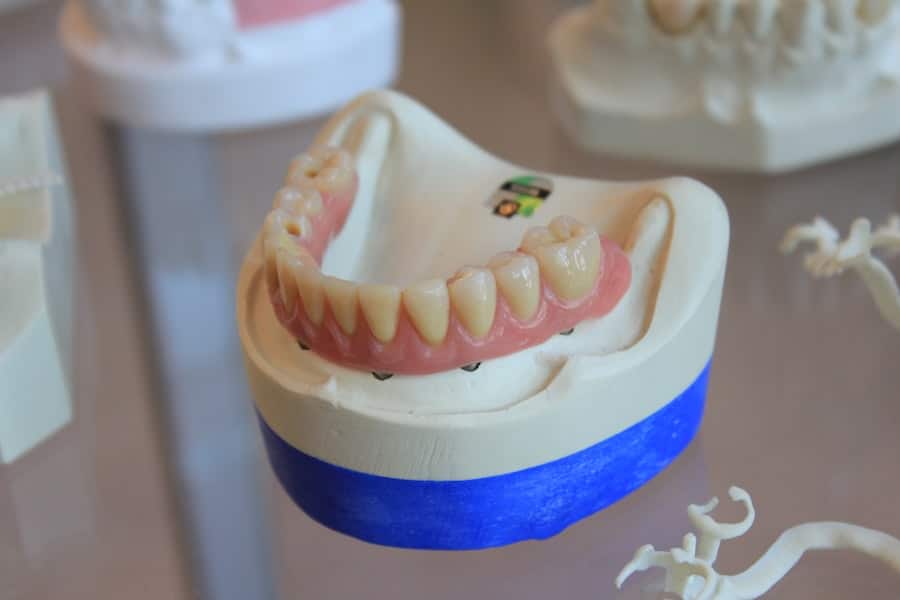
Regular brushing and flossing are essential to prevent plaque buildup and gum disease around the implant site. Your dentist may recommend specific cleaning tools or techniques tailored to your needs to ensure optimal care.
Regular Dental Check-Ups
In addition to at-home care, regular dental check-ups are vital for monitoring the health of your implants and surrounding tissues. During these visits, your dentist will assess the condition of your implants and perform professional cleanings as needed.
Proactive Oral Health
Staying proactive about your oral health not only helps maintain your implants but also contributes to your overall well-being.
Comparing Dental Implants to Other Tooth Replacement Options
When considering tooth replacement options, it’s essential to weigh the pros and cons of each choice available to you. Traditional dentures are often less expensive upfront but come with drawbacks such as discomfort and instability during eating or speaking. They require regular adjustments and may need to be replaced every few years due to wear and tear.
Bridges are another alternative; however, they necessitate altering adjacent teeth for support, which can compromise their integrity over time. While bridges can restore function and aesthetics effectively, they do not address bone loss in the jaw that occurs after tooth loss. In contrast, dental implants provide a more permanent solution that preserves bone structure while offering superior stability and comfort.
Why Dental Implants are a Safe and Reliable Option
In conclusion, dental implants stand out as a safe and reliable option for those seeking to replace missing teeth. Their numerous benefits—including durability, improved oral health, and aesthetic appeal—make them an attractive choice for many individuals. While there are risks associated with any surgical procedure, understanding these potential complications allows you to approach the process with confidence.
Ultimately, investing in dental implants can significantly enhance your quality of life by restoring functionality and boosting self-esteem. If you’re considering tooth replacement options, consulting with a qualified dental professional can help you determine if dental implants are right for you. With proper care and maintenance, they can provide a long-lasting solution that allows you to enjoy life without the limitations often associated with missing teeth.
If you are considering dental implants as a safe and reliable option for replacing missing teeth, you may also be interested in learning about the costs associated with this procedure. Check out this informative article on Costs for Dental Implants in Joplin, Missouri to get a better understanding of what to expect financially. Understanding the costs involved can help you make an informed decision about whether dental implants are the right choice for you.
FAQs
What are dental implants?
Dental implants are metal posts or frames that are surgically positioned into the jawbone beneath your gums. Once in place, they allow your dentist to mount replacement teeth onto them.
Are dental implants safe?
Yes, dental implants are considered a safe and reliable option for replacing missing teeth. They have a success rate of about 98% and are a long-term solution for restoring your smile.
Who is a good candidate for dental implants?
Good candidates for dental implants are individuals with good oral health, enough bone in the jaw to support the implant, and healthy gum tissues. It’s important to have a thorough dental examination to determine if dental implants are the right option for you.
What are the benefits of dental implants?
Dental implants offer several benefits, including improved appearance, speech, comfort, and oral health. They also provide better durability and convenience compared to other tooth replacement options.
What is the success rate of dental implants?
The success rate of dental implants is very high, with about 98% of implants being successful. Proper care and maintenance, such as good oral hygiene and regular dental check-ups, can contribute to the long-term success of dental implants.
How long do dental implants last?
With proper care, dental implants can last a lifetime. They are a long-term solution for replacing missing teeth and are designed to be durable and reliable. Regular dental visits and good oral hygiene are important for maintaining the longevity of dental implants.