
After undergoing dental surgery, particularly procedures like dental implants, you may find yourself overwhelmed with information about recovery and care. One crucial aspect that often gets overlooked is the importance of post-operative oral health screening. These screenings serve as a vital checkpoint in your recovery journey, allowing your dentist to assess how well your mouth is healing and to identify any potential complications early on.
By attending these follow-up appointments, you not only ensure that your implants are integrating properly with your jawbone but also that your overall oral health remains intact. Post-op screenings can help you address any concerns you might have about pain, swelling, or unusual sensations in your mouth. Your dentist will evaluate the surgical site, checking for signs of infection or improper healing.
This proactive approach can save you from more severe issues down the line, such as implant failure or chronic pain. By prioritizing these screenings, you are taking an essential step toward ensuring the longevity of your dental implants and maintaining your overall oral health.
Key Takeaways
- Post-op oral health screening is crucial for identifying potential complications and ensuring proper healing after dental implant surgery.
- Dental implants play a significant role in restoring oral health by providing a stable foundation for replacement teeth and preserving bone structure.
- Common post-op complications such as infection and implant failure can be prevented through proper oral hygiene, regular check-ups, and following dietary recommendations.
- Maintaining oral hygiene after dental implant surgery involves gentle brushing, flossing, and using antimicrobial mouthwash to prevent infection and promote healing.
- Regular dental check-ups and cleanings are essential for monitoring the health of dental implants, detecting any issues early, and preventing future complications.
The Role of Dental Implants in Oral Health
Dental implants play a transformative role in restoring not just your smile but also your overall oral health. When you lose a tooth, the surrounding bone can begin to deteriorate due to lack of stimulation. Dental implants act as artificial tooth roots, providing the necessary support to maintain bone density and structure.
This is particularly important for preventing further tooth loss and maintaining the alignment of your remaining teeth. By opting for dental implants, you are investing in a solution that promotes long-term oral health rather than merely addressing the aesthetic aspect of tooth loss. Moreover, dental implants can significantly improve your quality of life.
They allow you to eat a wider variety of foods without discomfort or fear of damaging your prosthetic teeth. Unlike dentures, which can slip or cause irritation, implants are securely anchored in your jawbone, providing a stable and natural-feeling solution. This stability not only enhances your ability to chew but also boosts your confidence when speaking and smiling.
In essence, dental implants are not just a cosmetic fix; they are a comprehensive solution that supports both functional and emotional well-being.
Common Post-Op Complications and How to Prevent Them
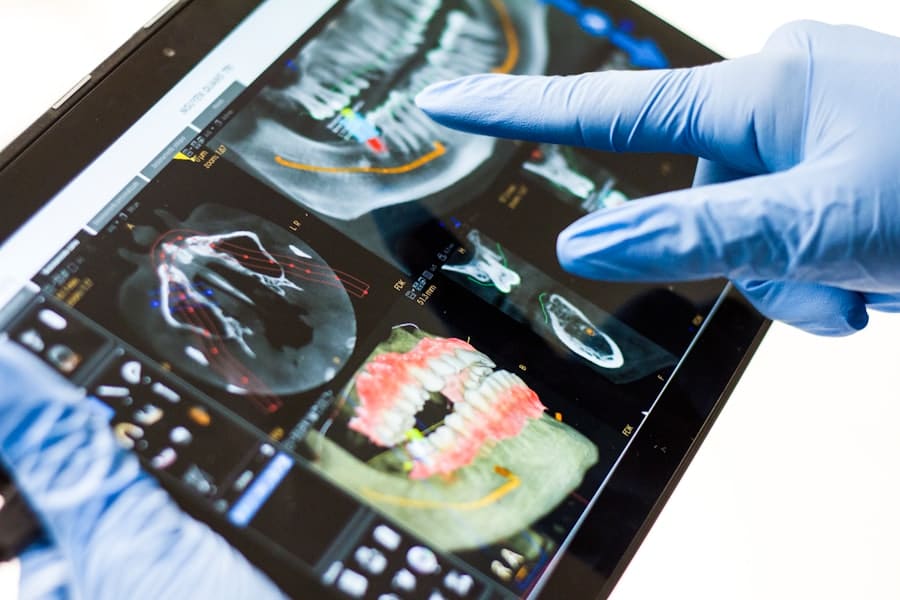
While dental implant surgery is generally safe and effective, it is not without its potential complications. One common issue you might encounter is infection at the surgical site. This can occur if bacteria enter the area during or after the procedure, leading to inflammation and discomfort.
To minimize this risk, it’s essential to follow your dentist’s post-operative care instructions meticulously. This includes taking prescribed antibiotics and maintaining proper oral hygiene practices. Another complication that can arise is implant failure, which may occur due to insufficient bone density or improper placement during surgery.
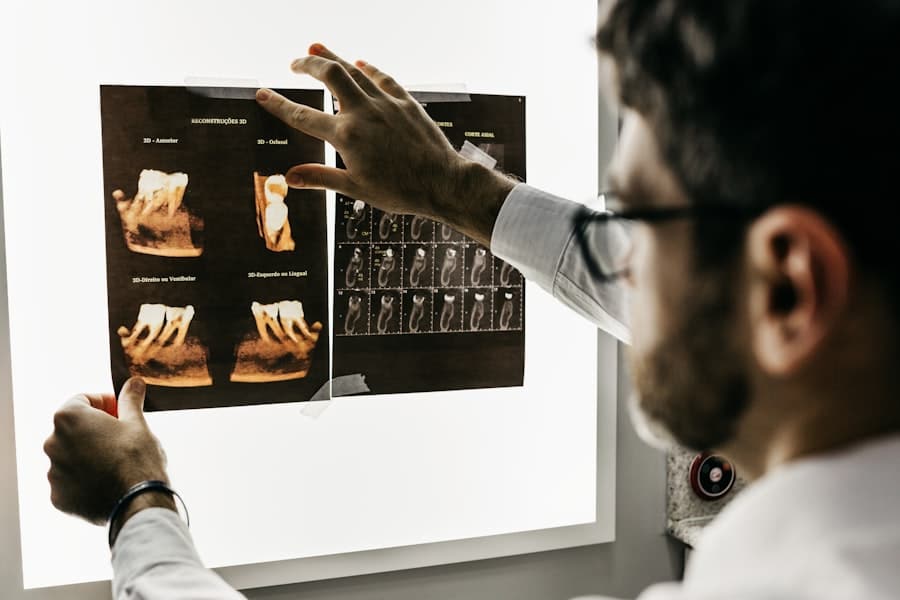
To prevent this, your dentist will likely conduct thorough imaging studies before the procedure to assess your bone structure. Additionally, adhering to follow-up appointments allows for early detection of any issues that may arise during the healing process. By being proactive and attentive to your body’s signals, you can significantly reduce the likelihood of complications and ensure a smoother recovery.
Tips for Maintaining Oral Hygiene After Dental Implant Surgery
Maintaining oral hygiene after dental implant surgery is crucial for ensuring successful healing and long-term implant success. You may be advised to wait a few days before resuming your regular brushing routine to avoid disturbing the surgical site. However, this doesn’t mean neglecting your oral care altogether.
You can gently rinse your mouth with warm salt water to keep the area clean and promote healing. This simple practice can help reduce inflammation and prevent infection. Once you receive the green light from your dentist, it’s essential to resume brushing and flossing with care.
Use a soft-bristled toothbrush to avoid irritating the surgical site, and consider using an antimicrobial mouthwash to further reduce bacteria in your mouth. Flossing around the implant area may require special tools or techniques, so don’t hesitate to ask your dentist for recommendations on how to effectively clean around your new implants without causing harm.
The Importance of Regular Dental Check-ups and Cleanings
Even after successfully integrating dental implants into your mouth, regular dental check-ups remain vital for maintaining optimal oral health. These appointments allow your dentist to monitor the condition of your implants and surrounding tissues, ensuring that everything is functioning as it should be. During these visits, any potential issues can be identified early on, preventing more significant problems from developing later.
In addition to monitoring your implants, routine cleanings help remove plaque and tartar buildup that can lead to gum disease—a condition that poses a risk to both natural teeth and dental implants alike. By committing to regular check-ups and cleanings, you are not only safeguarding your investment in dental implants but also promoting overall oral health that contributes to your well-being.
Dietary Recommendations for Optimal Healing and Oral Health
Soft Foods for a Smooth Start
In the initial days following dental implant surgery, it’s essential to stick to soft foods that require minimal chewing. Foods like yogurt, mashed potatoes, and smoothies can provide essential nutrients without putting stress on your healing gums.
Staying Hydrated and Reintroducing Solid Foods
Staying hydrated is equally important; drinking plenty of water helps maintain moisture in your mouth and supports overall healing. As you progress in your recovery, gradually reintroducing solid foods is essential for maintaining a balanced diet. Focus on nutrient-rich options such as lean proteins, fruits, and vegetables that promote healing and support bone health.
Nourishing Your Jawbone
Calcium-rich foods like dairy products or leafy greens are particularly beneficial for strengthening the jawbone around your implants. By being mindful of what you eat during this critical period, you can significantly enhance your healing process and set the stage for long-term oral health.
Recognizing Signs of Infection and When to Seek Professional Help
Being aware of the signs of infection after dental implant surgery is crucial for ensuring a smooth recovery. Symptoms such as increased swelling, persistent pain that worsens over time, or discharge from the surgical site should not be ignored. If you notice any of these signs, it’s essential to contact your dentist promptly for an evaluation.
Early intervention can make a significant difference in preventing complications that could jeopardize the success of your implants. In addition to physical symptoms, pay attention to any systemic signs such as fever or chills that may indicate a more widespread infection. Your health should always be a priority; if something feels off or if you have concerns about your recovery process, don’t hesitate to reach out for professional guidance.
Being proactive about potential issues will not only ease your mind but also contribute to a more successful healing experience.
Long-Term Care and Maintenance of Dental Implants
Once you’ve successfully navigated the initial recovery phase after dental implant surgery, long-term care becomes essential for ensuring their durability and functionality. Just like natural teeth, dental implants require regular maintenance to remain healthy over time. This includes adhering to a consistent oral hygiene routine that involves brushing twice daily and flossing regularly to prevent plaque buildup around the implant area.
Additionally, consider investing in specialized cleaning tools designed for dental implants, such as interdental brushes or water flossers. These tools can help you reach areas that traditional brushing might miss, ensuring that your implants remain free from bacteria and plaque accumulation. Regular visits to your dentist for check-ups and cleanings will also play a crucial role in maintaining the health of both your implants and surrounding tissues.
In conclusion, understanding the importance of post-operative care after dental implant surgery cannot be overstated. From recognizing potential complications to maintaining proper oral hygiene and attending regular check-ups, each step plays a vital role in ensuring the longevity of your dental implants and overall oral health. By prioritizing these aspects of care, you are setting yourself up for success in enjoying a healthy smile for years to come.
If you are considering getting dental implants in Gaithersburg, Maryland, Wheeling, Illinois, or Coachella, California, it is important to understand the costs involved. A related article on Costs for Dental Implants in Gaithersburg, Maryland provides valuable information on the expenses associated with this procedure in that specific location. Understanding the financial aspect of dental implants can help you make an informed decision about your oral health care.
FAQs
What are dental implants?
Dental implants are artificial tooth roots that are placed in the jaw to support a replacement tooth or bridge. They are a popular and effective long-term solution for people who have lost teeth due to periodontal disease, injury, or other reasons.
What is post-op oral health screening for dental implants?
Post-op oral health screening for dental implants involves a thorough examination of the patient’s oral health after the implant surgery. This screening helps to ensure that the implants are healing properly and that there are no complications or issues that need to be addressed.
Why is post-op oral health screening important for dental implants?
Post-op oral health screening is important for dental implants because it allows the dental professional to monitor the healing process and identify any potential problems early on. This can help prevent complications and ensure the long-term success of the implants.
What does post-op oral health screening for dental implants involve?
Post-op oral health screening for dental implants typically involves a visual examination of the implant site, checking for signs of infection or inflammation, assessing the stability of the implants, and taking X-rays to evaluate the bone structure and the positioning of the implants.
How often should post-op oral health screening be done for dental implants?
The frequency of post-op oral health screening for dental implants may vary depending on the individual patient and their specific needs. However, it is generally recommended to have regular follow-up appointments with the dental professional in the weeks and months following the implant surgery to monitor the healing process and ensure the long-term success of the implants.