
When it comes to restoring your smile and improving your oral health, dental implants have emerged as a revolutionary solution. If you’ve lost a tooth or several teeth due to injury, decay, or other dental issues, you may be considering this option. Dental implants are artificial tooth roots, typically made from titanium, that are surgically placed into your jawbone.
Over time, they fuse with the bone in a process called osseointegration, providing a stable foundation for replacement teeth. This innovative approach not only enhances your appearance but also restores functionality, allowing you to eat, speak, and smile with confidence. Understanding the intricacies of dental implants is crucial for anyone contemplating this procedure.
You might be wondering about the benefits and drawbacks, the costs involved, and how to maintain them for long-term success. As you navigate through this information, it’s essential to weigh your options carefully. Dental implants can significantly improve your quality of life, but they also require a commitment to oral health and regular dental visits.
By exploring the various aspects of dental implants, you can make an informed decision that aligns with your needs and lifestyle.
Key Takeaways
- Dental implants are a popular and effective solution for replacing missing teeth, providing a natural-looking and long-lasting result.
- Pros of dental implants include improved appearance, speech, comfort, and oral health, as well as the ability to eat and chew without difficulty.
- Cons of dental implants may include the need for surgery, potential for complications, and the cost of the procedure.
- The cost of dental implants can vary depending on factors such as the number of implants needed, the type of implant, and any additional procedures required.
- Long-term success and maintenance of dental implants require good oral hygiene, regular dental visits, and avoiding habits that can damage the implants.
Pros of Dental Implants
One of the most compelling advantages of dental implants is their durability. Unlike traditional dentures or bridges, which may need to be replaced or adjusted over time, dental implants are designed to last for many years, often a lifetime with proper care. This longevity makes them a cost-effective solution in the long run.
You won’t have to worry about the inconvenience of frequent replacements or the discomfort that can accompany ill-fitting dentures. Instead, you can enjoy the peace of mind that comes with a stable and reliable tooth replacement. Another significant benefit is the improvement in oral health that dental implants provide.
When you lose a tooth, the surrounding bone can begin to deteriorate due to lack of stimulation. Dental implants help preserve the jawbone by providing the necessary support and stimulation that natural teeth would normally offer. This not only maintains your facial structure but also prevents further dental complications down the line.
Additionally, dental implants do not require altering adjacent teeth, as is often necessary with bridges. This means that your natural teeth remain intact and healthy.
Cons of Dental Implants

While dental implants offer numerous benefits, they are not without their drawbacks. One of the primary concerns is the surgical procedure involved in placing the implant. For many individuals, the thought of undergoing surgery can be daunting.
The process typically requires local anesthesia and may involve some discomfort during recovery. You may experience swelling, bruising, or pain in the days following the procedure, which can be a significant consideration if you have a low pain tolerance or anxiety about dental work. Another potential downside is the cost associated with dental implants.
While they are a long-term investment in your oral health, the initial expense can be quite high compared to other tooth replacement options. Many insurance plans do not cover dental implants fully, which means you may need to budget for out-of-pocket expenses. Additionally, if you require bone grafting or other preparatory procedures before receiving an implant, this can further increase your overall costs.
It’s essential to evaluate your financial situation and discuss payment options with your dental provider before making a decision.
Cost of Dental Implants
The cost of dental implants can vary widely based on several factors, including the location of the dental practice, the complexity of your case, and whether additional procedures are necessary. On average, you might expect to pay anywhere from $3,000 to $4,500 per implant. This price typically includes the implant itself, the abutment (the connector piece), and the crown (the visible part of the tooth).
However, if you require bone grafting or sinus lifts due to insufficient bone density, these additional procedures can significantly increase your total expenses. It’s also important to consider that while dental implants may seem expensive upfront, they can be more economical over time compared to other options like dentures or bridges that may need frequent replacements or adjustments. Many dental practices offer financing plans or payment options that can help make this investment more manageable for you.
Before proceeding with treatment, it’s wise to consult with your dentist about all potential costs involved and explore any available financing solutions.
Long-Term Success and Maintenance
To ensure the long-term success of your dental implants, proper maintenance is crucial. Just like natural teeth, implants require regular brushing and flossing to keep them clean and free from plaque buildup. You should also maintain routine dental check-ups every six months or as recommended by your dentist.
These visits allow for professional cleanings and monitoring of your implant’s condition, ensuring that any potential issues are addressed promptly. In addition to good oral hygiene practices, lifestyle choices can impact the longevity of your dental implants. For instance, if you smoke or use tobacco products, it’s advisable to quit as these habits can hinder healing and increase the risk of implant failure.
A balanced diet rich in vitamins and minerals will also support your oral health and overall well-being. By committing to these practices, you can enjoy the benefits of your dental implants for many years to come.
Alternative Options to Dental Implants
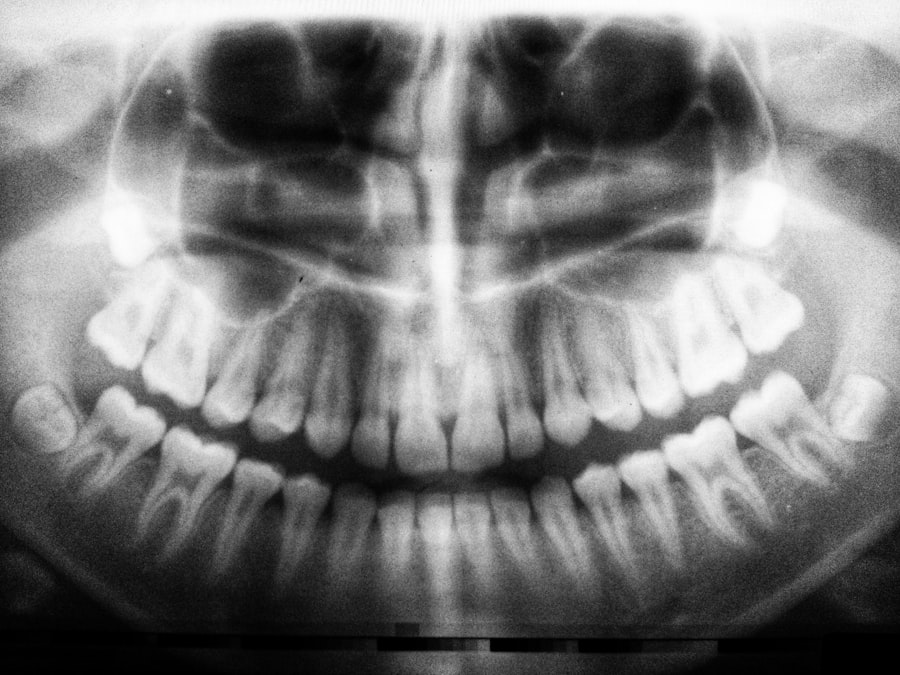
If dental implants don’t seem like the right fit for you due to cost, health concerns, or personal preferences, there are alternative options available for tooth replacement. One common alternative is a dental bridge, which involves anchoring a false tooth between two crowns placed on adjacent teeth. While bridges can effectively restore function and aesthetics, they do require altering healthy teeth for support.
Another option is removable dentures, which can be either partial or complete depending on how many teeth you need to replace. Dentures are generally less expensive than implants but may come with their own set of challenges such as discomfort or difficulty eating certain foods. Additionally, they may need adjustments over time as your jawbone changes shape.
It’s essential to discuss these alternatives with your dentist to determine which option best suits your needs and lifestyle.
Choosing the Right Dental Implant Provider
Selecting the right dental implant provider is a critical step in ensuring a successful outcome for your procedure. You should look for a dentist who specializes in implant dentistry and has extensive experience in placing implants. It’s beneficial to read reviews from previous patients and ask for before-and-after photos of their work to gauge their expertise.
During your initial consultation, don’t hesitate to ask questions about their approach to treatment, the technology they use, and their success rates with implants. A reputable provider will take the time to explain the entire process and address any concerns you may have. Building a rapport with your dentist is essential; you want someone who makes you feel comfortable and confident in their abilities.
Making an Informed Decision
In conclusion, dental implants represent a significant advancement in restorative dentistry that can greatly enhance your quality of life if you’re dealing with tooth loss. While they offer numerous benefits such as durability and improved oral health, it’s essential to consider both the pros and cons before making a decision. Understanding the costs involved and exploring alternative options will empower you to make an informed choice that aligns with your personal circumstances.
Ultimately, investing in your oral health is an important decision that requires careful consideration and planning. By educating yourself about dental implants and consulting with qualified professionals, you can embark on a journey toward restoring your smile with confidence. Whether you choose dental implants or another option, prioritizing your oral health will lead to lasting benefits for years to come.
If you are considering getting dental implants, it is important to weigh the pros and cons before making a decision. A balanced view on this topic can be found in the article “The Pros and Cons of Dental Implants: a Balanced View.” For more information on the costs associated with dental implants in different locations, you can check out articles like Costs for Dental Implants in Milwaukee, Wisconsin, Costs for Dental Implants in Lawrence, Kansas, and Costs for Dental Implants in Norwalk, Connecticut. These articles can provide valuable insights into the financial aspect of getting dental implants in different regions.
FAQs
What are dental implants?
Dental implants are artificial tooth roots that are surgically placed into the jawbone to support a replacement tooth or bridge.
What are the pros of dental implants?
– They provide a permanent solution for missing teeth.
– They look and feel like natural teeth.
– They help maintain the structure of the jawbone.
– They do not require the alteration of adjacent teeth.
What are the cons of dental implants?
– They can be expensive compared to other tooth replacement options.
– The process of getting dental implants can be lengthy, involving multiple surgeries and healing time.
– Not everyone is a suitable candidate for dental implants, as they require a certain amount of jawbone for support.
What are the success rates of dental implants?
The success rate of dental implants is high, with an average of 95% success over a 10-year period. However, this can vary depending on the individual’s oral health and habits.
How long do dental implants last?
With proper care and maintenance, dental implants can last a lifetime. However, the prosthetic teeth attached to the implants may need to be replaced after 10-15 years.
Are there any risks or complications associated with dental implants?
Some potential risks and complications of dental implants include infection, nerve damage, and implant failure. It’s important to discuss these risks with a qualified dentist before undergoing the procedure.