
Dental implants have revolutionized the field of restorative dentistry, offering a reliable solution for individuals who have lost teeth due to injury, decay, or other dental issues. If you find yourself in need of tooth replacement, understanding the intricacies of dental implants can empower you to make informed decisions about your oral health. Essentially, a dental implant consists of a titanium post that is surgically placed into the jawbone, serving as a sturdy foundation for a replacement tooth or bridge.
This innovative approach not only restores functionality but also enhances aesthetics, allowing you to regain your confidence and smile. The process of getting dental implants involves several stages, including initial consultations, surgical placement, and the eventual attachment of the prosthetic tooth. As you embark on this journey, it’s essential to recognize that dental implants are not merely a quick fix; they require careful planning and consideration.
Factors such as your overall health, bone density, and oral hygiene play significant roles in determining whether you are a suitable candidate for this procedure. By understanding the fundamentals of dental implants, you can better appreciate their benefits and the commitment involved in maintaining them for years to come.
Key Takeaways
- Dental implants are a popular and effective way to replace missing teeth, providing a long-term solution for restoring your smile and oral health.
- The healing process after implant surgery is crucial for the success of the implants, and it involves proper oral hygiene, rest, and following the dentist’s post-operative instructions.
- Long-term maintenance of dental implants requires regular brushing, flossing, and dental check-ups to ensure the implants remain healthy and functional.
- Potential complications such as infection, implant failure, or bone loss can be addressed through early detection and prompt treatment by a dental professional.
- Factors affecting the lifespan of dental implants include oral hygiene, smoking, overall health, and the quality of the implant placement, which can impact the longevity of the implants.
The Healing Process After Implant Surgery
Once you undergo dental implant surgery, the healing process begins, and it is crucial to understand what to expect during this time. Initially, you may experience some discomfort, swelling, or bruising around the surgical site. These symptoms are normal and typically subside within a few days.
Your dentist will likely prescribe pain relief medication to help manage any discomfort you may feel. It’s important to follow their post-operative care instructions closely to ensure a smooth recovery. During the healing phase, which can last several months, the titanium post will undergo a process called osseointegration.
This is where the bone tissue gradually fuses with the implant, creating a strong and stable foundation for your new tooth. You may be advised to stick to a soft food diet during this period to avoid putting undue pressure on the implant site. Regular follow-up appointments with your dentist will be essential to monitor your healing progress and address any concerns that may arise.
By being proactive about your recovery, you can set the stage for successful long-term outcomes.
Long-Term Maintenance of Dental Implants
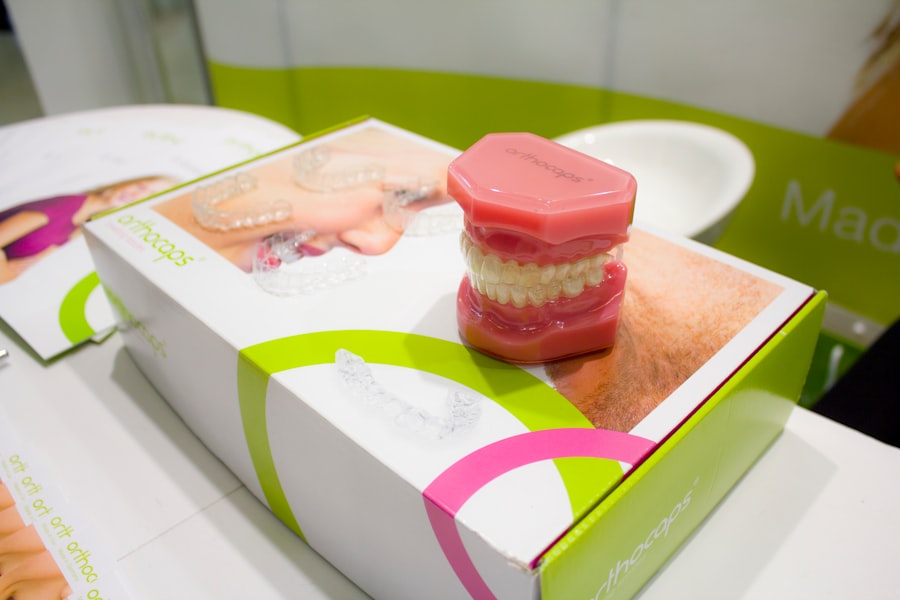
Maintaining your dental implants is vital for their longevity and functionality. While implants are designed to be durable and long-lasting, they still require diligent care similar to that of natural teeth. You should establish a consistent oral hygiene routine that includes brushing twice daily with fluoride toothpaste and flossing regularly to prevent plaque buildup around the implant site.
Additionally, using an antibacterial mouthwash can help reduce the risk of infection. Regular visits to your dentist for professional cleanings and check-ups are equally important in maintaining your implants. During these appointments, your dentist will assess the health of your gums and surrounding bone structure, ensuring that everything remains in optimal condition.
If you notice any changes in your oral health or experience discomfort around the implant area, don’t hesitate to reach out to your dentist. By prioritizing maintenance and care, you can enjoy the benefits of your dental implants for many years.
Potential Complications and How to Address Them
While dental implants are generally safe and effective, complications can arise in some cases. One potential issue is peri-implantitis, an inflammatory condition affecting the gums surrounding the implant. This can occur due to poor oral hygiene or bacterial infection and may lead to bone loss if left untreated.
If you notice signs of gum inflammation or discomfort around your implant, it’s crucial to consult your dentist promptly for evaluation and treatment. Another complication could be implant failure, which may occur due to insufficient bone density or improper placement during surgery. If you experience persistent pain or instability with your implant, it’s essential to seek professional help immediately.
Your dentist can conduct imaging tests to determine the underlying cause and recommend appropriate interventions. Being aware of these potential complications allows you to take proactive measures in safeguarding your oral health.
Factors Affecting the Lifespan of Dental Implants
The lifespan of dental implants can vary significantly based on several factors. One primary consideration is your overall health; conditions such as diabetes or autoimmune disorders can impact healing and increase the risk of complications. Additionally, lifestyle choices like smoking can hinder blood flow to the gums and impede healing, potentially affecting the success of your implants.
Another critical factor is the quality of your oral hygiene practices. Neglecting proper care can lead to infections or gum disease, which may compromise the stability of your implants over time. Regular dental check-ups are essential for monitoring your oral health and addressing any issues before they escalate.
By being mindful of these factors and making informed choices about your health and hygiene, you can significantly enhance the longevity of your dental implants.
Signs of Implant Failure and When to Seek Help

Recognizing the signs of implant failure is crucial for timely intervention. If you experience persistent pain or discomfort around the implant site, it may indicate an underlying issue that requires attention. Other warning signs include swelling or inflammation of the gums, mobility of the implant, or changes in bite alignment.
If you notice any of these symptoms, it’s essential to contact your dentist without delay. Early detection is key in addressing potential problems with dental implants. Your dentist will conduct a thorough examination and may recommend imaging studies to assess the condition of the implant and surrounding bone structure.
By seeking help promptly when you notice concerning symptoms, you can increase the chances of successful treatment and preserve your oral health.
The Importance of Regular Dental Check-ups for Implant Patients
For individuals with dental implants, regular dental check-ups are not just recommended; they are essential for maintaining optimal oral health. During these visits, your dentist will evaluate the condition of your implants and surrounding tissues, ensuring that everything remains healthy and functional. These appointments also provide an opportunity for professional cleaning, which helps remove plaque and tartar buildup that regular brushing may miss.
Moreover, routine check-ups allow for early detection of potential issues before they escalate into more significant problems. Your dentist can identify signs of gum disease or bone loss that may affect the stability of your implants. By committing to regular visits, you not only safeguard your investment in dental implants but also contribute to your overall well-being.
Realistic Expectations for the Lifespan of Dental Implants
When considering dental implants, it’s important to have realistic expectations regarding their lifespan. While many implants can last 10 years or more with proper care, individual experiences may vary based on factors such as health status and maintenance practices. Understanding that dental implants are not impervious to wear and tear is crucial; they require ongoing care just like natural teeth.
By adopting a proactive approach to oral hygiene and attending regular dental check-ups, you can maximize the lifespan of your implants. It’s also beneficial to discuss any concerns or questions with your dentist during consultations so that you have a clear understanding of what to expect throughout your journey with dental implants. With proper care and attention, you can enjoy a functional and aesthetically pleasing smile for many years ahead.
If you are considering getting dental implants, it is important to be aware of the costs involved. A related article on