
Engaging in sports is a fantastic way to stay active, build camaraderie, and enjoy the thrill of competition. However, if you have dental implants, it becomes crucial to consider how these activities can impact your oral health. Dental implants are designed to be durable and long-lasting, but they are not invincible.
Protecting them during sports is essential to ensure their longevity and your overall well-being. You may not realize it, but the forces exerted during physical activities can pose significant risks to your implants, leading to complications that could require costly repairs or replacements. When you participate in contact sports or even high-impact recreational activities, the risk of injury increases.
A sudden blow to the face can dislodge or damage your dental implants, leading to pain and potential infection. By prioritizing the protection of your dental implants, you are not only safeguarding your investment but also ensuring that you can continue to enjoy the sports you love without fear of dental complications. Understanding the importance of this protection can help you make informed decisions about your participation in various activities.
Key Takeaways
- Protecting dental implants during sports is crucial for maintaining oral health and preventing potential injuries.
- Common risks and injuries to dental implants in sports include impact trauma, dislodgement, and damage to the surrounding bone and tissue.
- Choosing the right mouthguard is essential for dental implant protection, and custom-fitted mouthguards are recommended for the best fit and protection.
- Maintaining dental implants while participating in sports involves regular check-ups with a dentist, proper oral hygiene, and avoiding activities that may pose a risk to the implants.
- Sports can have a significant impact on dental implants, and it’s important to be aware of the potential risks and take necessary precautions to protect them.
Common Risks and Injuries to Dental Implants in Sports
The risks associated with sports and dental implants are varied and can lead to serious consequences if not addressed properly. One of the most common injuries is the dislodgment of the implant itself. This can occur from a direct impact, such as a collision with another player or a fall.
The force from such impacts can compromise the stability of the implant, leading to pain and potential failure. Additionally, even if the implant remains intact, surrounding tissues may be damaged, resulting in inflammation or infection. Another risk involves the surrounding gum tissue and bone structure that support your dental implants.
High-impact sports can cause trauma not only to the implant but also to the soft tissues and bone that hold it in place. This can lead to conditions such as peri-implantitis, which is an inflammatory disease affecting the gums around the implant. If left untreated, this condition can result in bone loss and ultimately jeopardize the success of your dental implants.
Being aware of these risks allows you to take proactive measures to protect your oral health while enjoying your favorite sports.
Choosing the Right Mouthguard for Dental Implant Protection
Selecting an appropriate mouthguard is one of the most effective ways to protect your dental implants during sports. A mouthguard acts as a cushion, absorbing impact and reducing the risk of injury to your teeth and gums. When choosing a mouthguard, consider factors such as fit, comfort, and level of protection.
Custom-fitted mouthguards are often recommended for individuals with dental implants, as they provide a snug fit that offers superior protection compared to over-the-counter options. A well-fitted mouthguard not only protects your dental implants but also helps prevent injuries to other teeth and soft tissues in your mouth. It can significantly reduce the risk of concussions by minimizing the force transmitted through the jaw during an impact.
When selecting a mouthguard, consult with your dentist to ensure it meets your specific needs and provides adequate protection for your dental implants while allowing you to breathe and speak comfortably during sports activities.
Tips for Maintaining Dental Implants While Participating in Sports
Maintaining your dental implants while engaging in sports requires a combination of protective measures and good oral hygiene practices. First and foremost, always wear your mouthguard during any physical activity that poses a risk of impact. This simple step can significantly reduce the likelihood of injury to your implants and surrounding teeth.
Additionally, consider avoiding high-risk sports if possible or opting for less contact-intensive alternatives that still allow you to stay active. Regular dental check-ups are also essential for maintaining your dental implants. Your dentist can monitor the health of your implants and surrounding tissues, ensuring that any potential issues are addressed promptly.
Furthermore, practicing good oral hygiene at home is crucial. Brush and floss regularly, paying special attention to the areas around your implants. This will help prevent plaque buildup and reduce the risk of infections that could compromise the integrity of your dental implants while you enjoy your favorite sports.
Understanding the Impact of Sports on Dental Implants
The impact of sports on dental implants goes beyond immediate physical risks; it also encompasses long-term effects on oral health. Engaging in high-impact activities can lead to chronic stress on your jawbone and surrounding structures, which may affect the stability of your implants over time. Understanding these implications is vital for anyone with dental implants who wishes to remain active in sports.
Moreover, certain sports may require specific considerations regarding your dental health. For instance, activities that involve frequent jumping or sudden stops can place additional strain on your jaw and teeth. Being aware of how different sports affect your dental implants allows you to make informed choices about which activities are safe for you.
By taking these factors into account, you can enjoy an active lifestyle while minimizing risks to your oral health.
Seeking Professional Advice for Dental Implant Protection in Sports
Consulting with a dental professional is an essential step in ensuring the protection of your dental implants during sports activities. Your dentist can provide personalized advice based on your specific situation, including recommendations for mouthguards and other protective measures tailored to your needs. They can also assess the condition of your implants and surrounding tissues, identifying any potential issues before they become serious problems.
In addition to preventive care, seeking professional advice can help you understand how different sports may impact your dental health. Your dentist may suggest modifications to your training regimen or recommend alternative activities that pose less risk to your implants. By working closely with a dental professional, you can develop a comprehensive plan that allows you to enjoy sports while safeguarding your oral health.
The Role of Proper Oral Hygiene in Protecting Dental Implants During Sports
Proper oral hygiene plays a critical role in protecting your dental implants during sports activities. Maintaining a clean mouth helps prevent infections that could compromise the stability of your implants. After participating in sports, it’s essential to brush and floss thoroughly to remove any food particles or plaque that may have accumulated during physical activity.
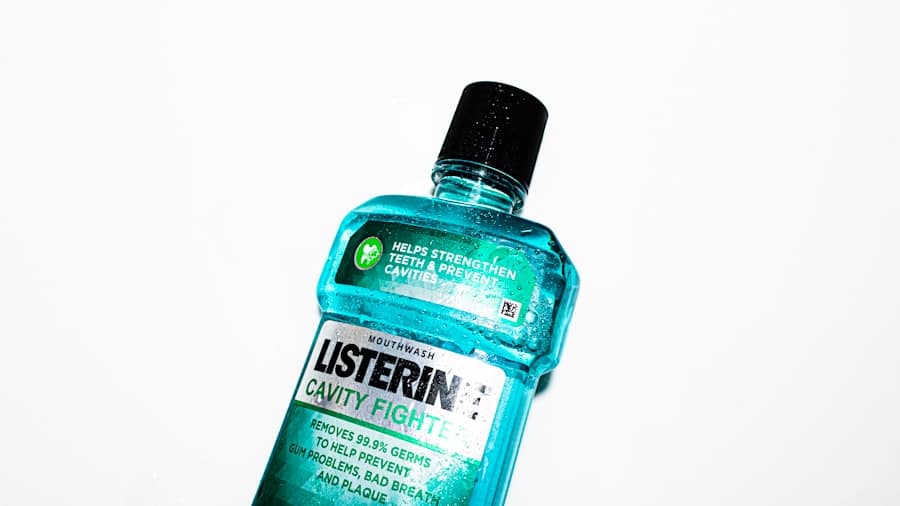
This practice not only keeps your mouth healthy but also ensures that your dental implants remain secure. Additionally, consider using an antibacterial mouthwash as part of your post-sport oral hygiene routine. This can help reduce bacteria in your mouth and lower the risk of infections around your implants.
Staying hydrated is also important; drinking water during and after sports helps wash away food particles and bacteria while promoting overall oral health. By prioritizing proper oral hygiene, you can significantly enhance the longevity and success of your dental implants.
Long-Term Benefits of Protecting Your Dental Implants During Sports
The long-term benefits of protecting your dental implants during sports extend far beyond immediate safety concerns. By taking proactive measures to safeguard your oral health, you are investing in the longevity of your implants and overall quality of life. Healthy dental implants allow you to enjoy a wide range of foods without discomfort or fear of damage, enhancing both nutrition and enjoyment.
Moreover, maintaining healthy dental implants contributes positively to your self-esteem and confidence. Knowing that you have taken steps to protect your smile allows you to engage fully in social situations and athletic endeavors without hesitation. Ultimately, by prioritizing the protection of your dental implants during sports, you are ensuring that you can continue enjoying an active lifestyle while preserving your oral health for years to come.
If you are considering getting dental implants and are an active individual who participates in sports, it is important to protect your investment. One way to do this is by wearing a mouthguard during physical activities to prevent any damage to your implants. For more information on the costs associated with dental implants in different locations, check out this article on Costs for Dental Implants in Beloit, Wisconsin. This article can provide valuable insights into the financial aspect of getting dental implants and how to best protect them while engaging in sports.
FAQs
What are dental implants?
Dental implants are artificial tooth roots that are placed in the jaw to support a replacement tooth or bridge. They are a popular and effective long-term solution for people who have lost a tooth or teeth due to periodontal disease, an injury, or some other reason.
How do sports activities affect dental implants?
Sports activities can pose a risk to dental implants, especially contact sports or activities with a high risk of facial trauma. A blow to the face or mouth can potentially damage or dislodge dental implants, leading to the need for repair or replacement.
How can I protect my dental implants while participating in sports?
It is important to wear a custom-fitted mouthguard while participating in sports to protect your dental implants. A mouthguard can help cushion the impact of a blow to the face and reduce the risk of damage to the implants.
What type of mouthguard is best for protecting dental implants during sports?
A custom-fitted mouthguard, made by a dentist, is the best option for protecting dental implants during sports. These mouthguards are designed to fit the specific shape of your mouth and provide the best protection for your dental implants.
Are there any specific sports that pose a higher risk to dental implants?
Contact sports such as football, basketball, hockey, and martial arts pose a higher risk to dental implants due to the potential for facial trauma. However, any sport that involves a risk of impact to the face or mouth should be considered a potential risk to dental implants.
What should I do if my dental implants are damaged during sports?
If your dental implants are damaged during sports, it is important to seek immediate dental care. Contact your dentist as soon as possible to assess the damage and determine the best course of action for repair or replacement.