
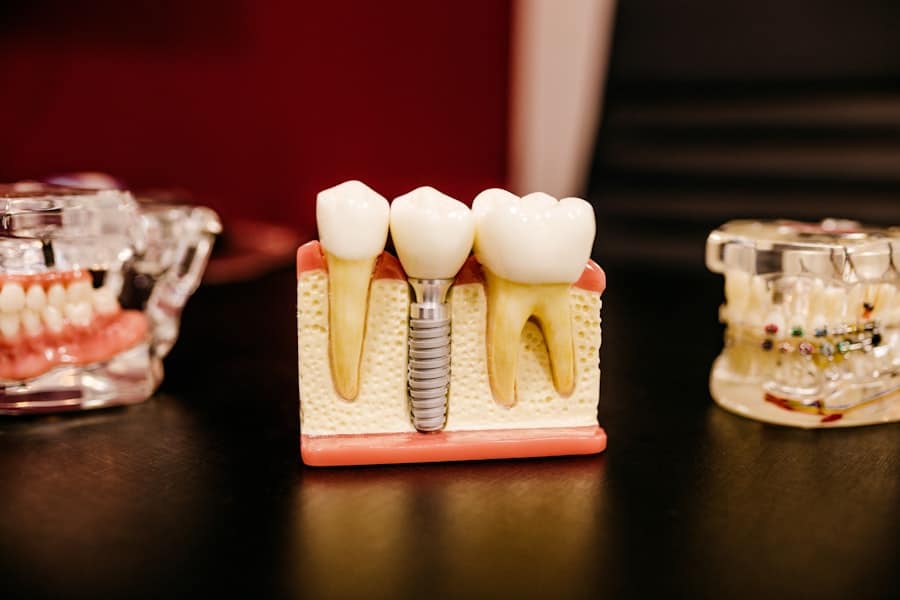
When you consider dental implants, it’s essential to grasp the financial implications involved. The cost of dental implant procedures can vary significantly based on several factors, including the complexity of the case, the materials used, and the geographical location of the dental practice. On average, you might find that a single dental implant can range from $3,000 to $4,500.
This price typically includes the implant itself, the abutment, and the crown that will be placed on top. However, if you require additional procedures such as bone grafting or sinus lifts, the total cost can escalate quickly. Moreover, it’s crucial to recognize that the initial price tag may not encompass all potential expenses.
For instance, pre-operative consultations, imaging tests like X-rays or CT scans, and post-operative care can add to your overall expenditure. Therefore, before committing to a dental implant procedure, you should conduct thorough research and consult with your dentist about all possible costs involved. Understanding these financial aspects will help you make an informed decision about whether dental implants are the right choice for you.
Key Takeaways
- Dental implant procedures can be costly, with the total cost including the implant, abutment, and crown.
- Many dental insurance plans do not fully cover dental implant procedures, leaving patients with significant out-of-pocket costs.
- Premiums for dental insurance that covers implants may be higher, and deductibles can also be substantial.
- Even with insurance, patients may still have to pay a significant portion of the cost for dental implant procedures.
- Dental insurance for implants often comes with limitations and exclusions, such as waiting periods and missing tooth clauses.
Exploring the Coverage of Dental Implant Procedures in Dental Insurance Plans
As you navigate the world of dental implants, one of the most pressing questions may be whether your dental insurance plan covers these procedures. Many traditional dental insurance plans do not include coverage for implants, viewing them as elective or cosmetic procedures rather than necessary treatments. However, some plans have begun to adapt to changing patient needs and may offer partial coverage for dental implants.
It’s essential to review your specific policy details to determine what is included. If your plan does provide coverage for dental implants, it may only cover certain aspects of the procedure. For example, while the insurance might pay for the consultation or the crown placement, it may not cover the implant itself or any preparatory work needed beforehand.
Therefore, you should carefully examine your policy and speak with your insurance provider to clarify what is covered and what isn’t. This understanding will help you budget more effectively and avoid unexpected financial burdens.
Examining the Premiums and Deductibles for Dental Insurance that Covers Implants
When considering dental insurance that includes coverage for implants, it’s vital to evaluate the premiums and deductibles associated with these plans. Premiums are the monthly payments you make to maintain your insurance coverage, while deductibles are the amounts you must pay out-of-pocket before your insurance begins to cover costs. Depending on the plan you choose, premiums can vary widely; some plans may offer lower monthly payments but come with higher deductibles, while others may have higher premiums with lower deductibles.
You should also consider how these costs align with your overall financial situation and healthcare needs. If you anticipate needing dental implants or other significant dental work in the near future, a plan with a higher premium but lower deductible might be more beneficial in the long run. Conversely, if you rarely require dental services, a plan with lower premiums might be more suitable.
By carefully weighing these factors, you can select a dental insurance plan that best meets your needs and budget.
Considering Out-of-Pocket Costs for Dental Implant Procedures with Insurance
Even if you have dental insurance that covers implants, it’s important to be aware of potential out-of-pocket costs that may arise during the process. These costs can include co-pays for office visits, coinsurance percentages for specific services, and any expenses related to procedures not covered by your insurance plan. For instance, if your insurance covers only a portion of the implant procedure, you will need to pay the remaining balance out-of-pocket.
Additionally, some plans may impose waiting periods before coverage kicks in for major procedures like implants. This means that even if you have insurance, you might still face significant out-of-pocket expenses if you need immediate treatment. To avoid surprises later on, it’s wise to ask your dentist for a detailed breakdown of expected costs and how much your insurance will cover.
This proactive approach will help you prepare financially and ensure that you can proceed with your treatment without undue stress.
Evaluating the Limitations and Exclusions of Dental Insurance for Implants
As you delve deeper into dental insurance options for implants, it’s crucial to evaluate any limitations and exclusions that may apply to your policy. Many insurance plans have specific criteria regarding what constitutes a covered procedure. For example, some plans may only cover implants if they are deemed medically necessary due to an accident or disease rather than for cosmetic reasons.
Understanding these limitations will help you determine whether your situation qualifies for coverage. Moreover, certain plans may impose annual maximums on benefits paid out for dental procedures. If your dental needs exceed this limit within a given year, you could be responsible for paying any additional costs yourself.
Additionally, some policies may exclude coverage for specific types of implants or related procedures altogether. By thoroughly reviewing your policy and discussing it with your insurance provider, you can gain clarity on what is and isn’t covered, allowing you to make informed decisions about your dental care.
Comparing the Costs of Different Dental Insurance Plans for Implant Coverage

When searching for dental insurance that covers implants, it’s beneficial to compare various plans to find one that aligns with your needs and budget. Each plan will have its own set of premiums, deductibles, coverage limits, and exclusions related to implant procedures. By obtaining quotes from multiple providers and analyzing their offerings side by side, you can identify which plan offers the best value for your specific situation.
In addition to cost comparisons, consider other factors such as customer service ratings and ease of claims processing when evaluating different insurance providers. A plan that appears affordable on paper may not be worth it if it comes with poor customer support or complicated claims procedures. By taking a comprehensive approach to comparing plans, you can ensure that you select an insurance option that not only fits your budget but also provides reliable support when you need it most.
Investigating the Additional Benefits and Services Included in Dental Insurance for Implants
Beyond just covering dental implants, some insurance plans offer additional benefits and services that can enhance your overall dental care experience. These may include preventive services like routine cleanings and check-ups at no extra cost or discounts on other dental procedures not covered by insurance. Some plans even provide access to a network of specialists who can offer additional services related to oral health.
When evaluating different insurance options, take note of these added benefits as they can significantly impact your overall satisfaction with your plan. For instance, if a plan offers free preventive care or discounts on orthodontics or cosmetic dentistry, it could save you money in other areas of your dental health journey. By considering these additional services alongside implant coverage, you can choose a plan that provides comprehensive support for all your dental needs.
Weighing the Overall Financial Impact of Obtaining and Maintaining Dental Insurance for Implants
Ultimately, deciding whether to obtain dental insurance that covers implants requires careful consideration of its overall financial impact on your life. While having insurance can alleviate some of the financial burden associated with costly procedures like implants, it’s essential to weigh this against the ongoing costs of premiums and potential out-of-pocket expenses. You should assess how often you visit the dentist and whether those visits typically result in significant expenses.
Additionally, consider how much peace of mind having insurance provides versus its cost. For many individuals, knowing they have coverage for unexpected dental issues can be worth the investment in premiums. However, if you find that your dental needs are minimal or that alternative financing options are available for procedures like implants, it may be more prudent to forego insurance altogether.
By carefully evaluating these factors and considering both short-term and long-term financial implications, you can make an informed decision about whether obtaining dental insurance is right for you in relation to implant procedures.
If you are considering dental implant procedures and are concerned about the costs involved, you may want to read the article “Costs for Dental Implants in St. Cloud, Florida”. This article provides valuable information on the expenses associated with dental implants in a specific location, helping you make an informed decision about obtaining and maintaining dental insurance that covers these procedures.
FAQs
What are the costs associated with obtaining dental insurance that covers dental implant procedures?
The costs associated with obtaining dental insurance that covers dental implant procedures can vary depending on the insurance provider, the specific coverage offered, and the individual’s age and overall health. Some insurance plans may require a higher monthly premium in exchange for more comprehensive coverage, while others may have lower premiums but higher out-of-pocket costs for procedures.
Are there any additional costs for maintaining dental insurance that covers dental implant procedures?
In addition to the monthly premiums, individuals with dental insurance that covers dental implant procedures may also be responsible for co-payments, deductibles, and any costs that exceed the annual maximum coverage limit. It’s important to carefully review the details of the insurance plan to understand all potential costs associated with maintaining coverage.
What factors can affect the cost of dental insurance that covers dental implant procedures?
Factors that can affect the cost of dental insurance that covers dental implant procedures include the individual’s age, overall health, the specific coverage offered by the insurance plan, the insurance provider, and any additional benefits or services included in the plan. Additionally, the location and availability of dental providers within the insurance network can also impact costs.
Are there any potential out-of-pocket costs for dental implant procedures with insurance coverage?
While dental insurance that covers dental implant procedures can help offset the costs, there may still be potential out-of-pocket expenses for co-payments, deductibles, and any costs that exceed the annual maximum coverage limit. It’s important to review the details of the insurance plan and consult with the dental provider to understand all potential out-of-pocket costs.
What should individuals consider when evaluating the costs of dental insurance that covers dental implant procedures?
When evaluating the costs of dental insurance that covers dental implant procedures, individuals should consider the monthly premiums, potential out-of-pocket costs, the specific coverage offered, the network of dental providers, and any additional benefits or services included in the plan. It’s important to carefully review the details of the insurance plan to determine the overall value and potential costs associated with obtaining and maintaining coverage.