
Dental implants have revolutionized the field of dentistry, offering a permanent solution for individuals who have lost teeth due to injury, decay, or other dental issues. These implants consist of titanium posts that are surgically placed into the jawbone, serving as artificial roots for replacement teeth. The process not only restores functionality but also enhances aesthetics, allowing you to regain your confidence and smile.
As you consider this option, it’s essential to understand the various factors that can influence the success of dental implants, including lifestyle choices such as smoking. The journey to obtaining dental implants typically begins with a thorough consultation with your dentist or oral surgeon. They will assess your oral health, bone density, and overall medical history to determine if you are a suitable candidate for the procedure.
If you are a smoker, this discussion becomes even more critical, as smoking can significantly impact the healing process and long-term success of your implants. Understanding the implications of smoking on dental implants is vital for making informed decisions about your oral health.
Key Takeaways
- Dental implants are a popular and effective solution for replacing missing teeth, providing a natural-looking and long-lasting result.
- Smoking can significantly impact the success of dental implants, leading to higher rates of complications and risks during and after the implant procedure.
- Smokers with dental implants may experience delayed healing, increased risk of infection, and higher chances of implant failure compared to non-smokers.
- The healing and recovery process for smokers with dental implants may take longer and require extra care to ensure successful integration of the implants.
- Long-term effects of smoking on dental implants include higher rates of bone loss, gum disease, and potential need for implant replacement or repair.
The Impact of Smoking on Dental Implants
Smoking is known to have detrimental effects on overall health, and its impact on dental implants is no exception. When you smoke, the chemicals in tobacco can interfere with blood flow and oxygen delivery to the tissues in your mouth. This reduced blood flow can hinder the healing process after implant surgery, making it more challenging for the implants to integrate with your jawbone.
As a result, smokers may experience a higher failure rate of dental implants compared to non-smokers. Moreover, smoking can lead to complications such as infections and delayed healing. The toxins present in cigarette smoke can compromise your immune system, making it harder for your body to fight off infections that may arise after surgery.
If you are considering dental implants, it is crucial to recognize how smoking can jeopardize the success of the procedure and take proactive steps to mitigate these risks.
Complications and Risks Associated with Smoking and Dental Implants
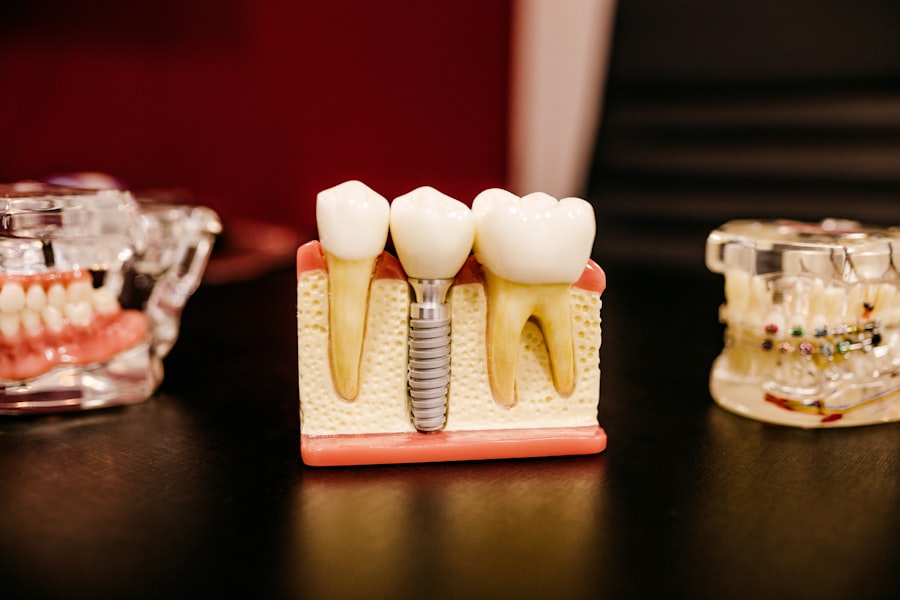
The complications associated with smoking and dental implants extend beyond just the initial healing phase. Smokers are at a greater risk of developing peri-implantitis, an inflammatory condition that affects the tissues surrounding the implant. This condition can lead to bone loss and ultimately result in implant failure if not addressed promptly.
The presence of harmful bacteria in the mouth, exacerbated by smoking, can contribute to this issue, making it essential for you to maintain excellent oral hygiene. In addition to peri-implantitis, smokers may also experience delayed osseointegration—the process by which the implant fuses with the jawbone. This delay can prolong recovery time and increase the likelihood of complications.
If you are a smoker contemplating dental implants, it is vital to discuss these risks with your dentist and consider strategies to minimize them. Understanding the potential complications can empower you to make informed choices about your oral health.
Healing and Recovery Process for Smokers with Dental Implants
The healing and recovery process following dental implant surgery is critical for ensuring long-term success. For smokers, this process can be more complicated due to the adverse effects of tobacco on tissue healing. After surgery, your body requires adequate blood flow and oxygen to promote healing and integration of the implant.
However, smoking constricts blood vessels and reduces oxygen levels in the tissues, which can lead to prolonged recovery times. To enhance your healing process, it is advisable to quit smoking before undergoing dental implant surgery and to refrain from smoking during the recovery period. This cessation allows your body to optimize its healing capabilities and increases the chances of successful osseointegration.
Your dentist may provide specific guidelines on how long you should avoid smoking post-surgery to ensure the best possible outcome for your dental implants.
Long-Term Effects of Smoking on Dental Implants
The long-term effects of smoking on dental implants can be significant and detrimental. Even after successful integration of the implant, continued smoking can lead to various complications that may jeopardize its longevity. Research indicates that smokers are more likely to experience implant failure over time compared to non-smokers.
This increased risk is often attributed to ongoing inflammation and infection caused by smoking-related bacteria. Additionally, smoking can contribute to aesthetic issues such as gum recession and discoloration around the implant site. These changes not only affect your oral health but can also impact your self-esteem and confidence in your smile.
If you are committed to maintaining your dental implants for years to come, it is crucial to consider how smoking may affect their durability and appearance.
Strategies for Smokers to Maintain Dental Implant Health
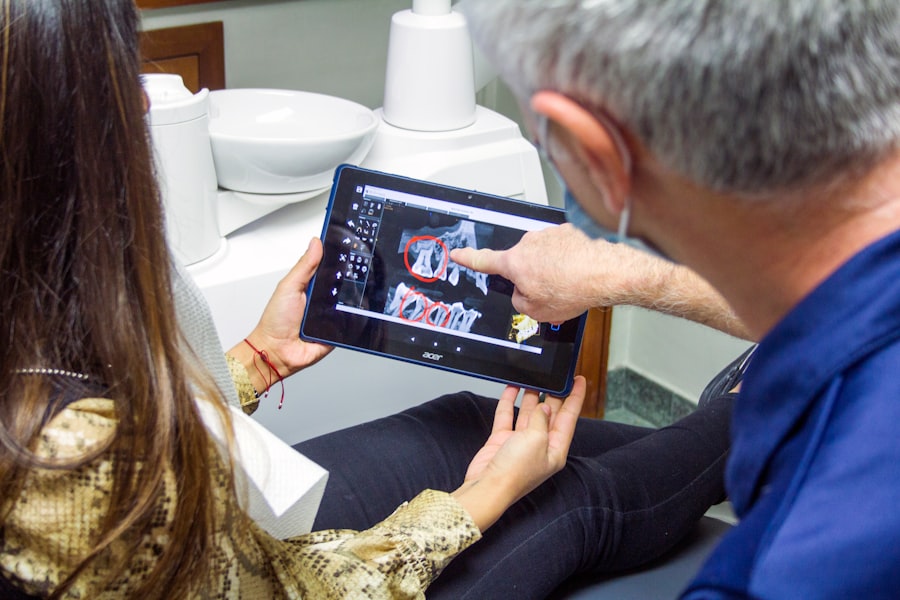
If you are a smoker who has already undergone dental implant surgery or is considering it in the future, there are several strategies you can adopt to maintain the health of your implants. First and foremost, quitting smoking is the most effective way to improve your chances of success. While this may seem daunting, there are numerous resources available, including support groups and cessation programs that can help you through the process.
In addition to quitting smoking, maintaining excellent oral hygiene is essential for preserving the health of your dental implants. Regular brushing and flossing, along with routine dental check-ups, will help prevent infections and complications associated with smoking. Your dentist may also recommend specific products designed for implant care that can further enhance your oral hygiene routine.
Importance of Smoking Cessation for Dental Implant Success
The importance of smoking cessation cannot be overstated when it comes to ensuring the success of dental implants. By quitting smoking before and after surgery, you significantly increase your chances of achieving a successful outcome. Not only does cessation improve blood flow and oxygen delivery to healing tissues, but it also reduces the risk of complications such as infections and peri-implantitis.
Moreover, quitting smoking has numerous benefits beyond just dental health. It can lead to improved overall health, increased energy levels, and enhanced quality of life. If you are serious about investing in dental implants, consider this opportunity as a chance not only to improve your smile but also to make positive changes in your lifestyle.
Conclusion and Recommendations for Smokers Considering Dental Implants
In conclusion, if you are a smoker considering dental implants, it is crucial to understand the potential risks and complications associated with smoking. The impact of tobacco on healing, osseointegration, and long-term implant success cannot be ignored. However, by taking proactive steps such as quitting smoking and maintaining excellent oral hygiene, you can significantly improve your chances of achieving a successful outcome.
As you embark on this journey toward better oral health, remember that support is available. Whether through professional counseling or support groups, seeking help in quitting smoking can be one of the best decisions you make for your dental health. Ultimately, investing in dental implants is not just about restoring your smile; it’s about committing to a healthier lifestyle that will benefit you in countless ways for years to come.
A related article to The Effect of Smoking on Dental Implants can be found on